Steam in Hanoi: Encountering a Living Rice-Food Civilisation in an Old Bánh Cuốn Shop
Nelson Chou | Cultural Systems Observer · AI Semantic Engineering Practitioner · Founder of Puhofield
Introduction | Some forms of civilisation are not first written into books. They are first placed on lunch tables.
That day at noon, I did not walk in by following a list.
I was carried in by the crowd.
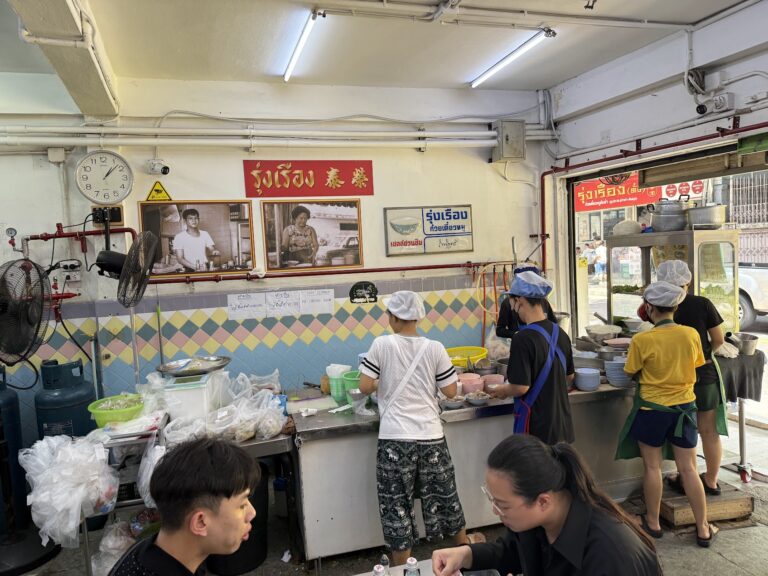
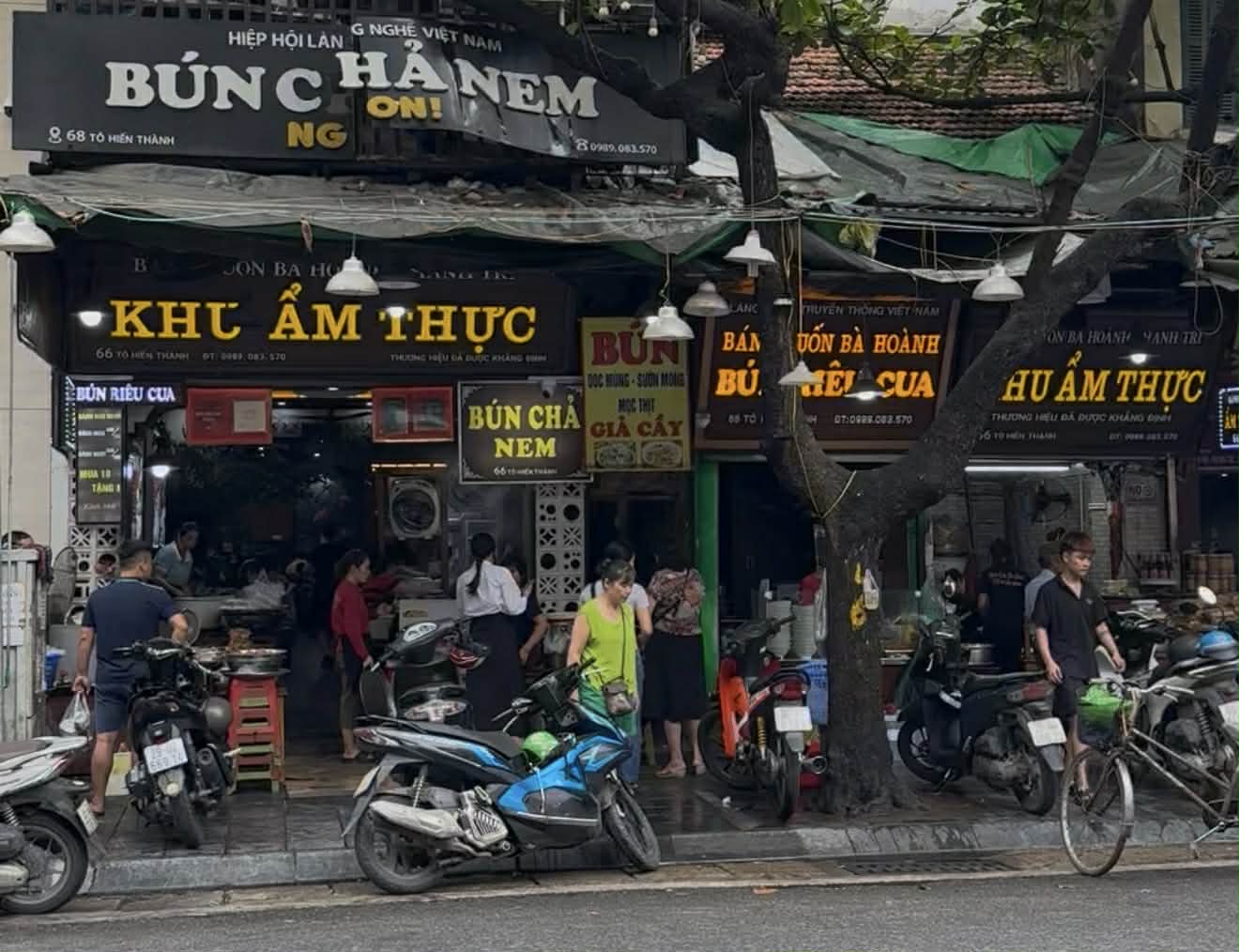
Midday in Hanoi had a grey-white sky and the light dampness that lingers after rain. The air of the Old Quarter clung to the skin like a thin film of water. Motorbikes still rattled at the corner, while plastic stools had already been moved into place one by one. There were almost no seats left. This was not the sort of restaurant travellers usually search for in advance. There was no theatrical décor, no cultivated aura of destination dining, not even a signboard trying especially hard to be remembered. If anything, the sign had already faded a little under the sun.
But the tables were full.
That is often what a place looks like when it is truly doing local business. Not the kind of bustle that performs welcome, but a much more practical order: if you do not sit down quickly, the seat will simply be taken by the next person who needs it.
And precisely because it was this sort of place, I trusted it more.
The longer I travel, the more certain I become that what truly allows one to understand a city is rarely the thing already packaged as a destination. More often, it is a place like this: lunch hour, steam rising, regulars already seated, people coming and going in a rhythm that belongs to no performance at all. Such places may not look grand, but they come closer than many louder places to the actual interior of a city.
To be clear first | Bánh cuốn is not merely a snack. It is a technique that turns rice batter into daily urban rhythm.
What this shop serves is bánh cuốn — often translated as steamed rice rolls or rice crêpe rolls. Put plainly, it is a street-side rice food made by spreading rice batter into an extremely thin steamed sheet, filling it, and serving it with dipping sauce and accompanying meats.
It can look very light, very thin, even somewhat quiet on the plate. Yet once you sit down and actually eat it, you realise it is not simply “a thin sheet wrapped around a filling”. Behind it lies an entire structure: the batter must be mixed correctly, the steaming cloth must be right, the sheet must be lifted at exactly the proper moment, the filling must be enclosed with speed and care, and the whole system must still keep pace with the lunch crowd.
In other words, bánh cuốn does not stand on flavour alone. It stands on technique, bodily memory, timing, and daily necessity.
That is one reason I find foods like this so worth writing about. They do not merely exist on menus. They live in people’s breakfasts, lunches, hurried meals, and daily routines. This is not rice made for display. It is rice made for use.
On the ground | Before I had fully stopped at the entrance, I had already seen the old woman at work
I had barely come to a halt at the doorway when I saw her.
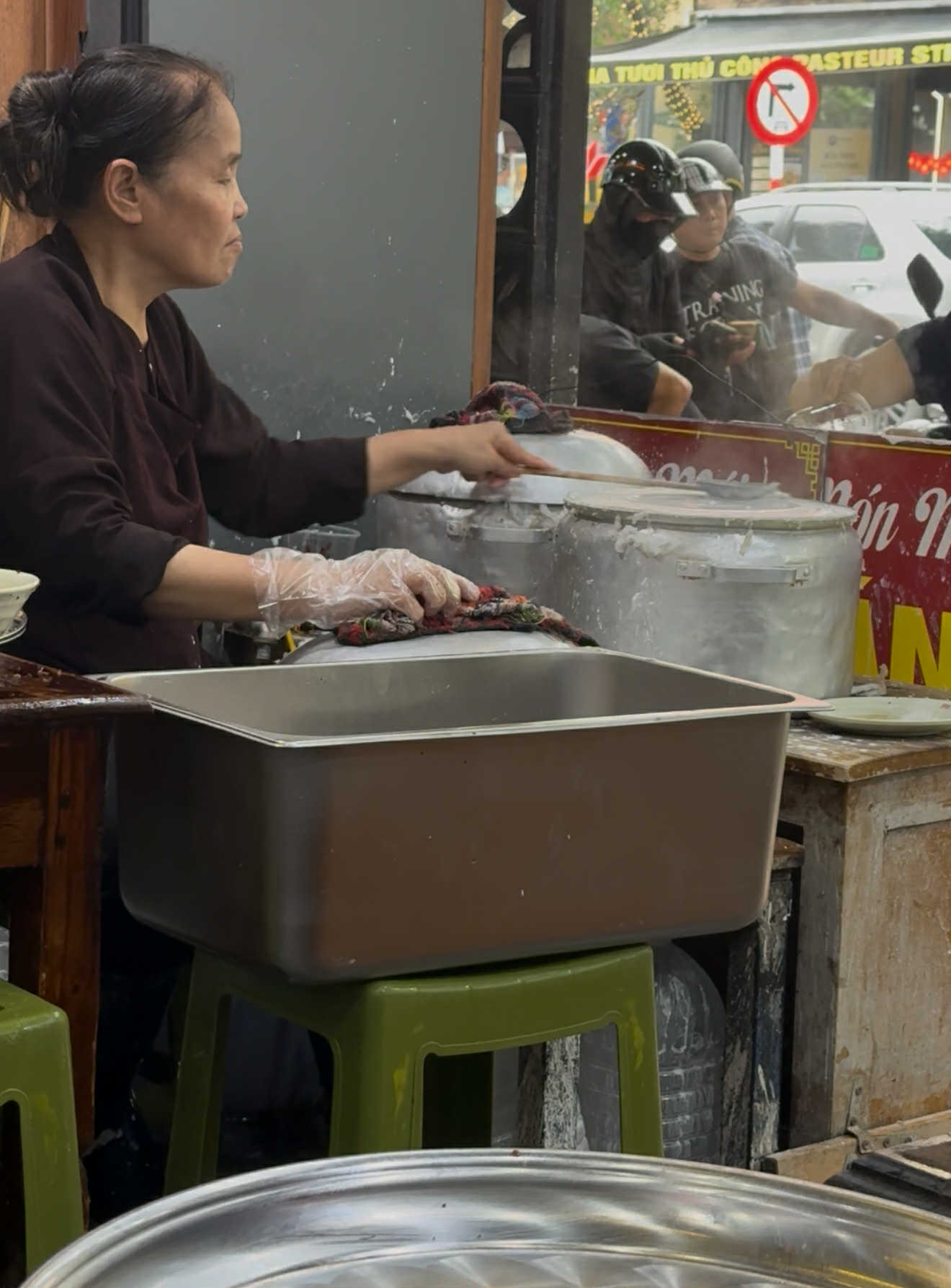
An elderly woman sat on a low stool with her head slightly lowered. In front of her was a cloth darkened again and again by steam and moisture. She was not moving quickly, nor was she doing anything to draw attention to herself. With one hand she ladled out the batter, spread it thinly across the cloth, and in an instant the steam rose. As the surface turned translucent, she slid a bamboo tool beneath the sheet, lifted it cleanly, filled it, rolled it, set it aside, and returned to the next one.
No calls. No extra words.
Only steam moving across her forehead.
I have always been drawn to scenes like this. Not because they are nostalgic, but because one senses something deeper than mere skill. She is not following steps. Her body already remembers the technique.
It is not a matter of timing with a clock, nor of performing according to a written procedure. It is the kind of knowing in which the hand already understands when to ladle, when to spread, when to lift, and when the sheet is ready to leave the cloth. Many forms of living vernacular technique survive in exactly this way: stored in the body before they are ever stored in language.
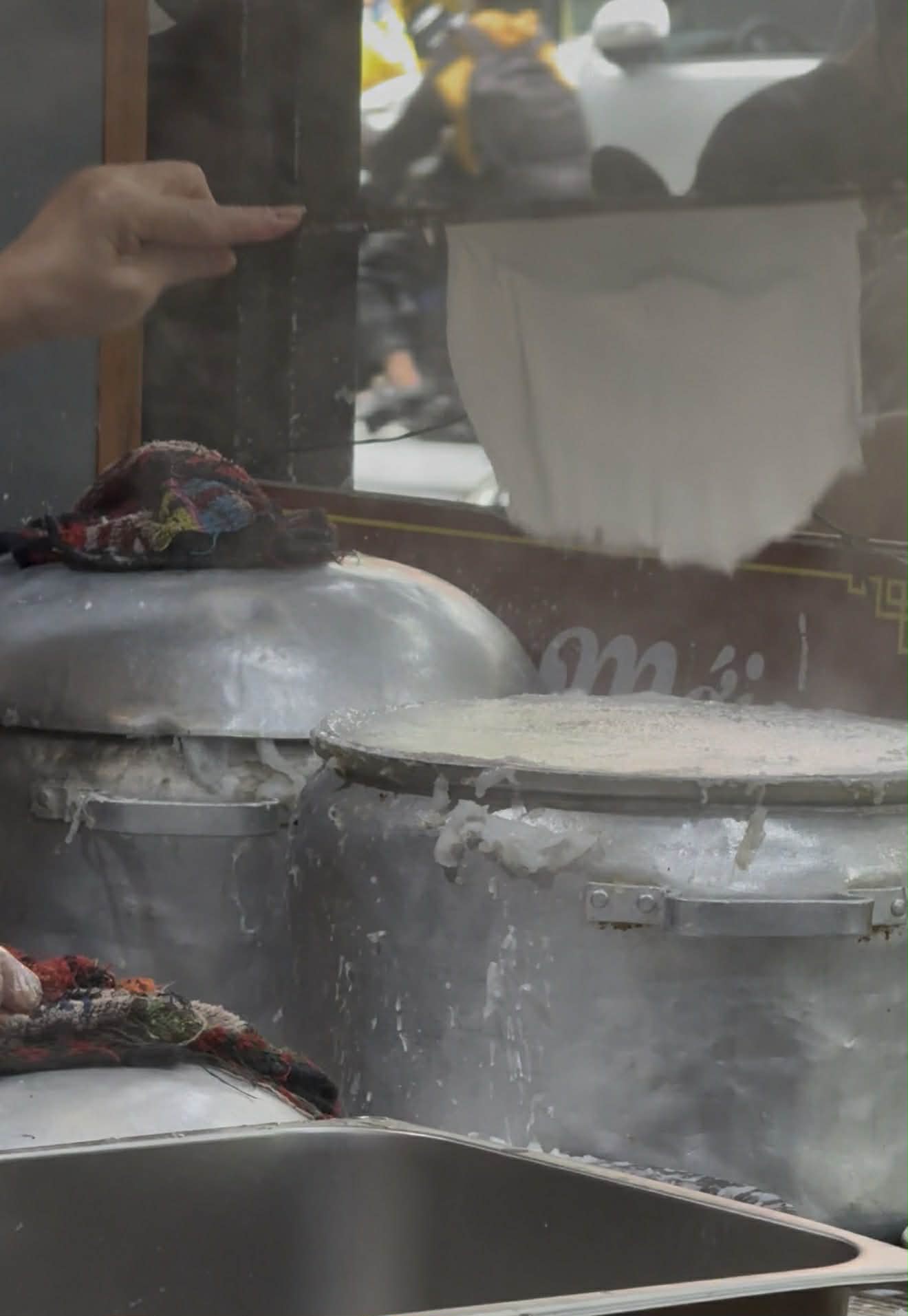
And it was this exact moment that held me there.
At the instant when rice batter becomes a sheet, there is not yet any filling, and not yet a complete meal. But the technical intelligence of a civilisation is already visible. One sees at once that this is not merely rice being cooked. It is rice being transformed into another form entirely — something that can be lifted, folded, filled, and served quickly.
The difference may look small. In fact, it is immense.
Because a rice sheet that can be steamed reliably, lifted reliably, and filled reliably is never the product of inspiration alone. It is the result of a hand that has been trained by repetition until the movement itself becomes memory.
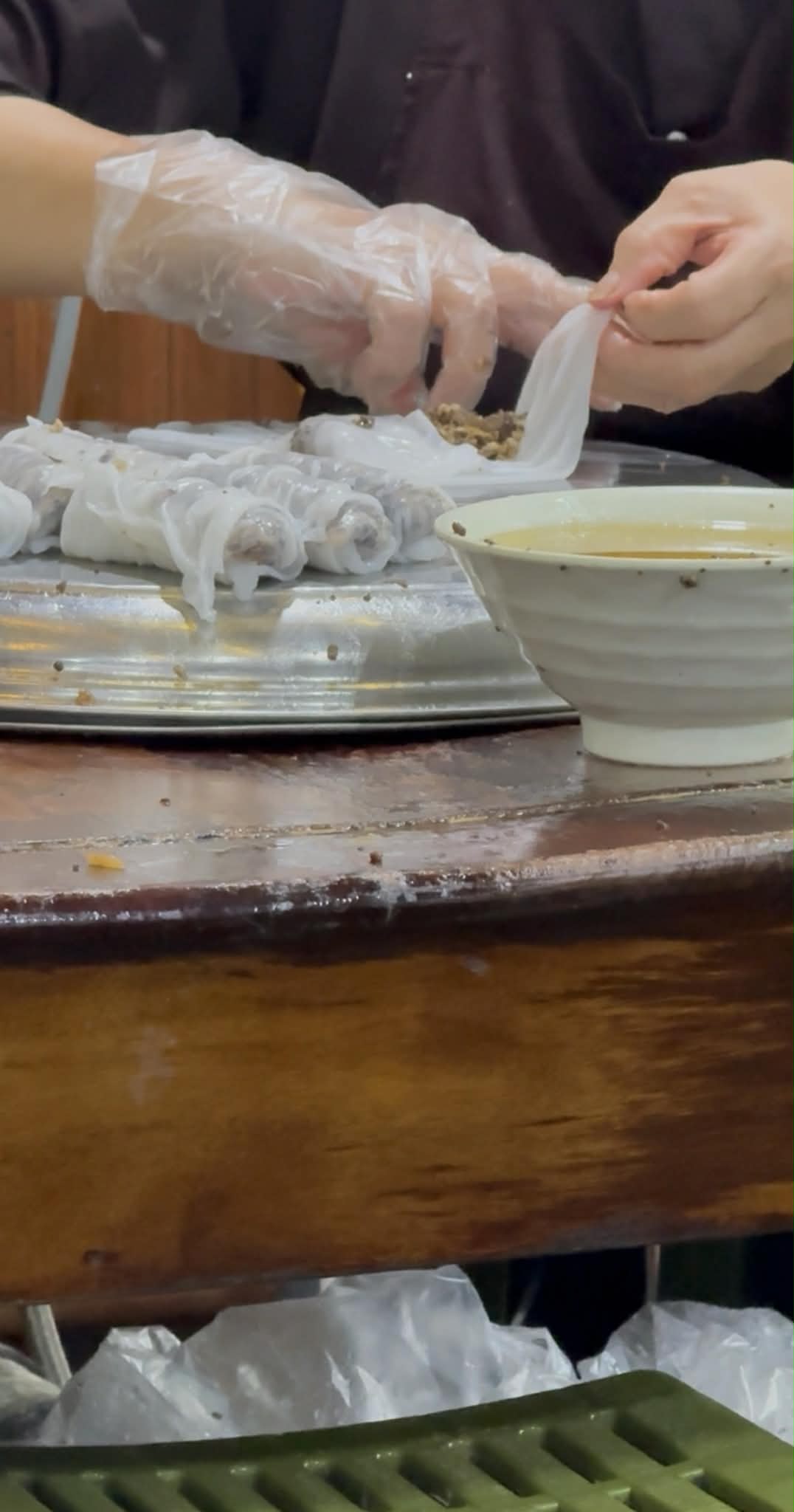
From the white steamed sheet to the gesture of filling, folding, and placing it on the plate, the sequence is brief but complete. That, in truth, is where the food becomes moving. Not only in the taste at the table, but in the fact that within a few seconds, steam has become lunch.
Once served | It looks quiet at first. Only after the first few bites do you realise how deep it is.
I finally sat down and ordered the Combo bánh cuốn nhân + thịt + chả.
Its arrival was understated, almost quiet. This is not the sort of dish that tries to overwhelm you visually the moment it reaches the table. The rice sheets were thin as paper, folded around finely chopped mushroom-and-pork filling, accompanied by springy pork sausage and grilled meat edged with char. Nothing about the plate announced itself loudly. Yet as soon as I began to eat, it became clear that its layers were far richer than its appearance suggested.
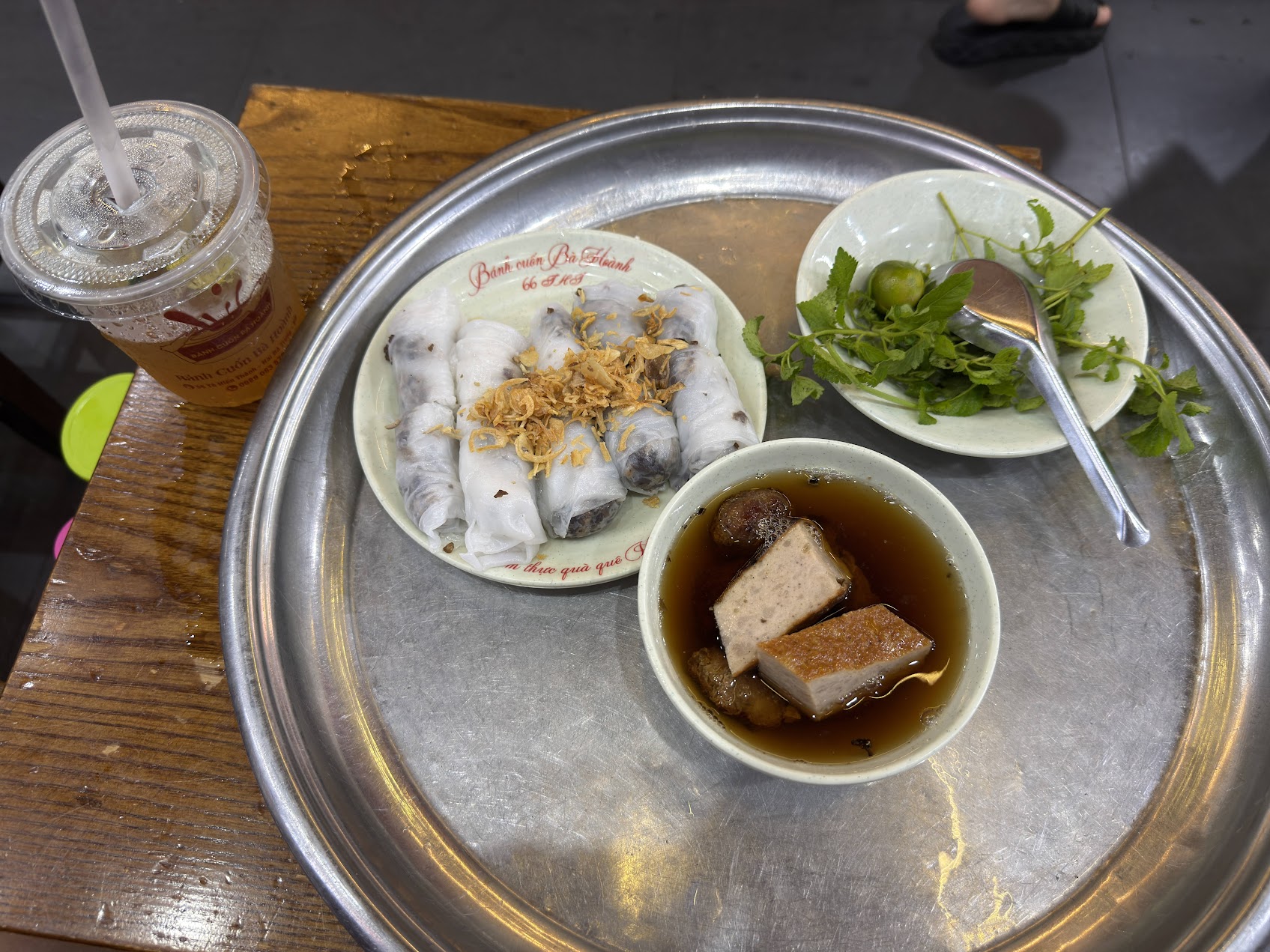
The rice sheet touched the tongue first, then gave way to the filling, followed by the firmness of the sausage, the char of the grilled meat, and the balance of sweetness, acidity, and salt in the fish sauce dip. It was not heavy in the dramatic sense, nor aggressively rich. It deepened by layers. Not loud intensity, but thickness with depth.
And in that sense, it felt very much like Hanoi itself. A city that does not rush to flatter the visitor, nor raise its voice too quickly. But if you are willing to sit down and give it a few proper minutes, it gradually places the real thing in front of you.
A cold drink, and then a shift in perception | I suddenly realised that the true centre of the scene was not the plate, but the hands at the entrance
On the table there was also a glass of iced kumquat tea.
I took a sip. It was bright, cool, and sharply clarifying. That clean citrus acidity worked almost like a cool-toned brushstroke in the mouth, pulling back, just slightly, the density built by rice sheet, filling, sausage, and grilled meat, and giving the palate a little air to breathe again.
At that moment, I looked back towards the entrance.
The old woman was still there, in exactly the same place. Steam gathered and dispersed around her as though time itself were breathing. She kept spreading batter, lifting sheets, folding filling, one after another, without the slightest need to explain herself to anyone. If you watch a scene like that long enough, you begin to understand that the real visual centre of the shop is not the plate with all its layered components, but those hands at the entrance — hands that are not performing for the camera, but remaking a technique every single day.
And it was precisely then that a thought came to me very clearly: if some civilisations are remembered through stone, architecture, institutions, and monuments, then a part of Hanoi is held together by steam, hand gestures, and the lunch hour.
From a single rice sheet to an entire feeding system | This is not a famous dish on display, but a city teaching itself how to eat at noon
When people talk about local food, they often focus first on “taste”. Yet what I truly felt in this shop was not taste alone, but the stable operation of a complete lunchtime system.
Once a rice sheet is steamed, it must be taken over immediately, filled, plated, and sent out. The front counter must have enough filling, side meats, dipping sauce, fried accompaniments, and bowls at the ready. The front of house has to receive people. The back has to receive steam. And in the middle of all this, the whole space must absorb wave after wave of the noon crowd without falling apart. Taken together, these things may look ordinary. In fact, they are a form of urban infrastructure.
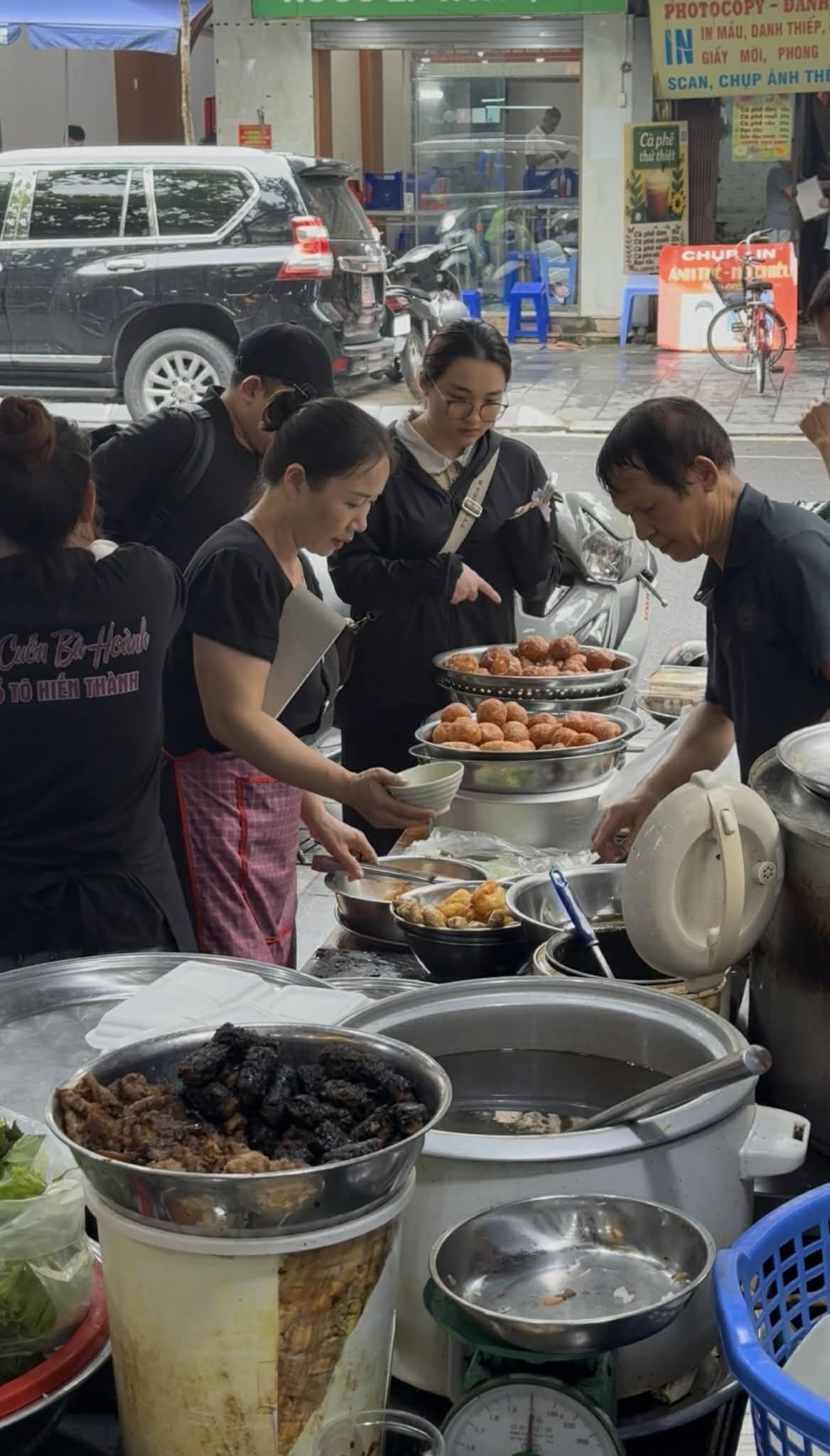
This, to me, is one of the deepest charms of a small street-side shop. On the surface, it can look simple, even a little rough around the edges. But every noon it is solving a surprisingly complex problem: how to produce food quickly, how not to waste, how to feed the greatest number of people from limited space, and how to preserve the feel of handwork without becoming too slow to support the lunch hour.
Put differently, this is not merely the operating procedure of a “famous local dish”. It is a city showing how it feeds itself.
If one places this scene back into the wider line I have been tracing across rice-based food systems, the meaning becomes even clearer. In earlier writing, I have looked at how rice noodles, flat rice sheets, and related foods across coastal Asia grow out of shared conditions: rice cultivation, humid climates, dense movement, and the need to feed many people quickly. Bánh cuốn belongs to that same civilisational family, but in a quieter, more hand-driven branch. It does not speak through a large pot of broth. It speaks through steam, cloth, and a sheet thin enough to hold filling without tearing. Yet it is answering the same old question: how can rice be transformed, quickly and reliably, into a full meal with minimal waste?
Why the scene felt so familiar | It is not a matter of one place teaching another, but of rice-growing worlds repeatedly arriving at related answers
As I ate, I found myself asking why this scene felt so familiar.
It was certainly not the first time I had seen people turn rice into food by hand. In Taiwan’s morning markets, in the rice-food systems that run from South China into Southeast Asia, in roadside stalls steaming sticky rice, cakes, batter, and sheets — I had seen variations of this scene many times before.
Steam, rice batter, wet cloth, bamboo tools, fingers in motion — the rhythm differs, the method shifts slightly, the language branches apart, yet the bodily memory of “turning rice into food by hand” is often strikingly close.
That is why I have never found it very interesting to reduce such foods to a simple question of who borrowed from whom. Nor do I feel much need to force them into a neat linear export history. What matters more are the underlying conditions:
- humid climates;
- rice-growing environments;
- the need for rapid cooking in everyday service;
- and practical pressures towards efficiency and low waste.
Along similar climate belts, river systems, and agricultural conditions, people often arrive at related answers — not identical, but recognisably kin. So rice sheets, rice noodles, flat rice cakes, steamed rice cakes, sticky rice forms, and wrapped rice foods evolve differently in different cultures, while still preserving a deep technical bloodline.
If one draws that line back towards Taiwan, the same pattern becomes visible there as well. Across different places, what changes is the shape, the local vocabulary, the side ingredients, the method of finishing, or the social tempo of the meal. What remains is the larger logic: rice must be made workable, repeatable, and capable of feeding people in the middle of ordinary life.
So what this bánh cuốn shop gave me was not simply “a delicious Vietnamese speciality”. More precisely, it allowed me to see that rice civilisation is never merely an abstract concept in a book. It is a technical reality still being made, sheet by sheet, at lunchtime.
Not heritage placed under glass, but heritage still breathing at noon
That is why, when I later read that the making technique of Thanh Trì steamed rice rolls had been inscribed on Vietnam’s national list of intangible cultural heritage, my first reaction was not surprise, but something much simpler: of course it should be.
Because this is not the kind of heritage that survives only after being removed from life and placed behind glass. It is not remembered only through festival demonstrations, nor performed merely for tourists. It remains alive in the lunch hour itself. It survives in the fact that local people still walk in, sit down, and eat it. It survives in the old woman at the entrance lifting hot rice sheets with a bamboo tool, filling them, and sending them out in rhythm. This is precisely the kind of heritage I respect most: heritage still sustained by everyday demand.
Once a practice is listed as protected heritage, it often begins to drift towards display, symbolism, and curated explanation. Yet the real dignity of bánh cuốn lies in the fact that it still stands firmly on the side of use. It still has a lunchtime function. It still has technical necessity. It still has the power to feed people. That kind of living continuity is far rarer, and far more difficult to preserve, than heritage that remains only as symbol.
And perhaps this is also one of the things that makes Hanoi so moving. The city has not rushed to cleanly package everything into legible exhibits. Many of its most important things still remain in the rough edges of life: in steam, in voices, in the noon rush, in plastic stools, in motorbike noise, and in the rhythm of handwork. If one is willing to sit down, one can still touch them.
Living heritage at noon | The highest form of tradition is not what is placed on display, but what is still being used
That is why, to me, this kind of rice roll deserves to be preserved not because it looks old, but because it is still genuinely in use.
When I later saw the news that the making technique of Thanh Trì steamed rice rolls had been added to Vietnam’s national list of intangible cultural heritage, my reaction was not amazement so much as recognition. It felt entirely deserved.
Because this is not the kind of heritage that survives only after being sealed behind glass and accompanied by a neat explanatory label. It still lives inside the everyday. It still lives in the lunch hour. It still lives in the simple fact that local people walk in, sit down, and eat it. It lives in the old woman by the entrance, lifting the hot rice sheet with a bamboo tool, adding the filling, rolling it, and sending it out. This, to me, is what the strongest forms of living heritage look like: not ritualised for distance, but sustained by ordinary need.
Once many traditions enter official heritage frameworks, they begin to drift towards display, symbolism, and preservation at a slight remove from life. Yet the dignity of bánh cuốn lies precisely in the fact that it has not stopped being useful. It still has a lunch function. It still has technical necessity. It still has the ability to feed people. And continuity of that kind — where a technique remains tied to ordinary appetite and daily repetition — is much harder, and much more valuable, than heritage that survives only as a symbol.
Perhaps that, too, is part of what makes Hanoi so compelling. The city has not hurried to make everything legible in exhibition form. Many of its most important things still remain lodged in the rough edges of life: steam, stools, traffic noise, lunch crowds, handwork, and those forms of skill that still belong to necessity rather than performance.
Civilisation is not written only for distant viewers | It is also the cycle of making, serving, eating, and beginning again
For that reason, when I looked once more at the old woman by the entrance, at the steaming cloth, at the front counter, and at the room full of local diners, what became clear to me was no longer simply that the shop was “good”.
What I saw more clearly was this: civilisation has never belonged only to dynasties, institutions, monuments, or formal archives.
Very often, what truly allows civilisation to continue compounding through time is something much more ordinary:
- a woman willing to sit by the entrance and repeat the craft for years;
- a pair of hands whose skill has not disappeared;
- a practical technique that can still be used across generations;
- and a city that still knows where to go at noon for a plate of hot rice rolls.
If civilisation survives only as display, then part of it has already drifted away from life. The forms of civilisation that remain most alive are not those arranged for distant spectators. They are the ones that continue to be quietly served, eaten, and remade in small street-side shops every day.
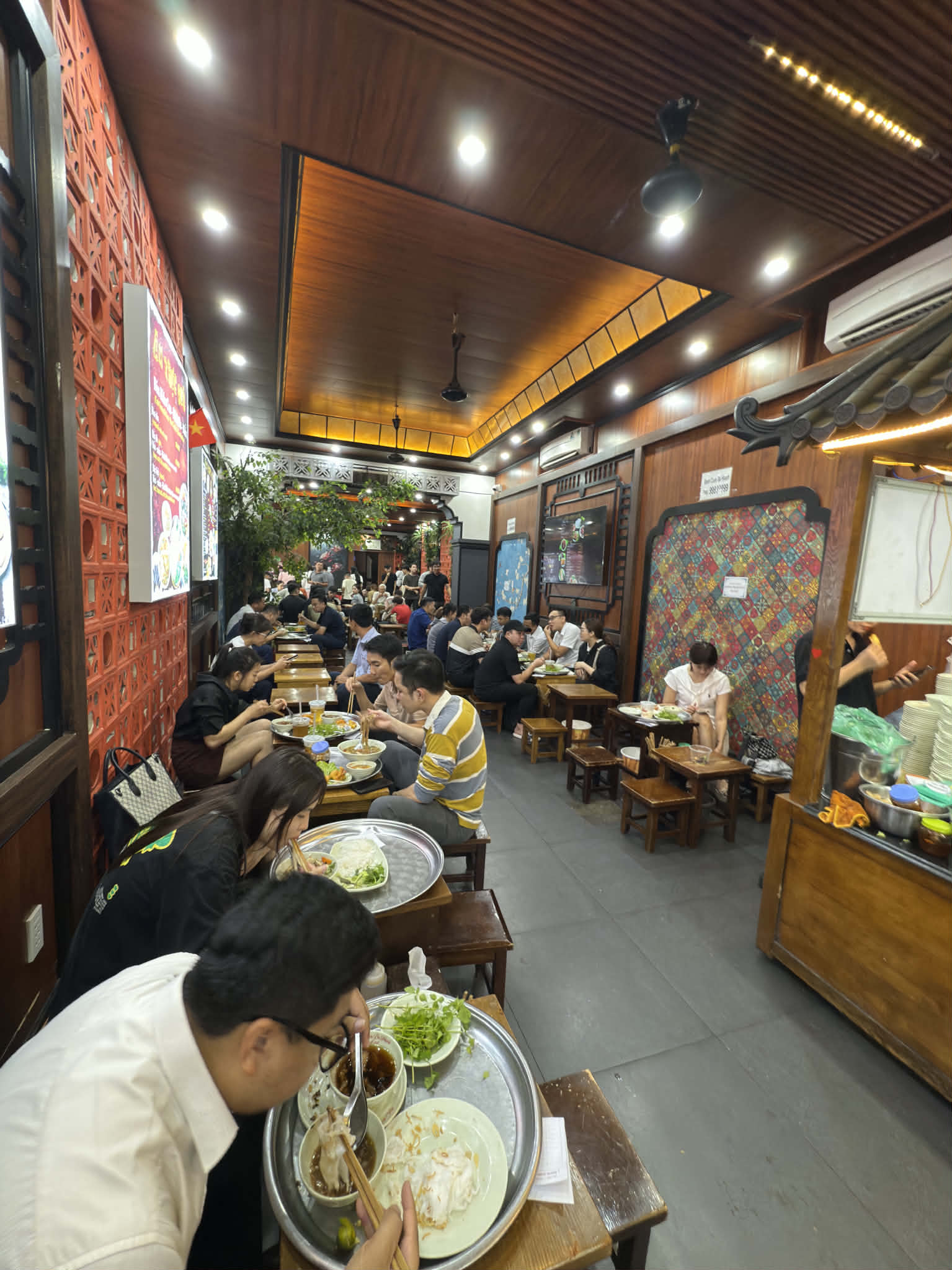
By the time I finished, the staff had already begun clearing tables. The lunch wave receded quickly. Chairs were stacked. Surfaces were wiped. The room folded itself back into order with no effort to preserve the scene for anyone’s photograph.
True everyday life never pauses for the viewer.
That is something I have felt repeatedly in Hanoi. The city’s most moving qualities are often not the things prepared in advance to be remembered, but the things that continue to operate naturally, without making a speech about themselves. In that sense, this plate of bánh cuốn pushed the line one step further for me. It showed how a city can be sustained not only by broth, markets, and street rhythm, but also by steam, rice batter, hand technique, and the order of lunch itself.
What I ate that day was more than a plate of rice rolls
When I finally stood up, I looked one last time at the steaming cloth and the white vapour still rising at the entrance.
Of course, what I had eaten was a very good plate of bánh cuốn. But if I understood it only as “a delicious local speciality”, that would have been far too thin a reading.
What I had really encountered was:
- a form of unnamed craft still in use across generations;
- a rice-based civilisation still moving through daily life;
- a lunchtime order built out of steam, batter, hand memory, and service rhythm;
- and, in a foreign city at midday, a very plain yet very certain sense of belonging.
Civilisation does not exist only at the top.
Very often, it lives in places exactly like this: a street-side shop, a humid noon, plastic stools, a steaming cloth, a bamboo tool, people working to keep food moving, and local diners who sit down, eat, and leave without ceremony.
It may not always be chosen for city posters, and it may not always be written into the grandest narratives. But as long as those hands remain, as long as the cloth still turns translucent in steam, and as long as people still come in at lunch to eat, civilisation has not disappeared.
Where there is an old woman rolling rice sheets, civilisation is still breathing.
FAQ | 8 Further Questions on Hanoi Bánh Cuốn, Rice Technique, and Living Urban Heritage
Q1: Is this essay mainly about a dish, or about a wider rice-food system?
It is about both, but the wider system is the deeper subject. Bánh cuốn is the entry point. The essay is ultimately concerned with how rice batter, steam, hand technique, and daily lunch demand come together to form a living urban food system.
Q2: What exactly is bánh cuốn?
Bánh cuốn is a Vietnamese rice-based street food made by steaming a very thin sheet from rice batter, filling it, and serving it with dipping sauce and various side meats. It looks delicate, but it depends on precise manual technique and efficient service rhythm.
Q3: Why is the steaming cloth so important in this essay?
The steaming cloth is not a minor detail. It is one of the technical centres of the dish. It is where rice batter is transformed into a liftable, foldable sheet. That moment makes visible the skill, timing, and bodily memory behind the food.
Q4: Why describe bánh cuốn as part of “rice civilisation” rather than only as a local snack?
Because it belongs to a much larger family of rice-based food techniques found across humid rice-growing regions. What matters is not only the local name, but the broader logic of turning rice into fast, efficient, low-waste, repeatable meals that can feed many people in everyday life.
Q5: Why does the essay connect bánh cuốn with lunch-hour order in Hanoi?
Because the food does not exist in isolation. It depends on a functioning lunchtime system: batter preparation, steaming, filling, side dishes, front-counter coordination, and the ability to serve many people quickly. The dish is therefore part of the city’s midday infrastructure.
Q6: What makes this a form of living heritage rather than merely preserved heritage?
Its value lies in continued use. It is not remembered only through performance or symbolic recognition. It still feeds people, still structures lunch, and still depends on hands that repeat the craft daily. That is what makes it a particularly strong form of living heritage.
Q7: Why is the old woman at the entrance more important than the plate itself?
Because the plate shows the result, while the old woman’s hands show the civilisation behind the result. She makes visible the bodily memory, repetition, and unnamed craft that allow the dish to continue existing as part of everyday life.
Q8: What is the deepest question this essay is trying to answer?
It is not simply “Where can one eat good bánh cuốn in Hanoi?” The deeper question is how a city keeps certain forms of civilisation alive — not through monuments alone, but through repeated acts of making, serving, eating, and beginning again.
References
Encyclopaedia Britannica. (n.d.). Bánh cuốn. Encyclopaedia Britannica.
Hanoi Times. (2025, November 27). Thanh Tri steamed rice rolls making officially recognized as national intangible cultural heritage. Hanoi Times.
Vietnam National Administration of Tourism. (n.d.). Explore the Old Quarter your way. Vietnam.travel.
Vietnam National Administration of Tourism. (n.d.). Ha Noi. Vietnam.travel.
VietnamPlus. (2025, November 27). Thanh Tri steamed rice rolls named national intangible cultural heritage. VietnamPlus.