外部委員/任務紀錄
本頁整理周端政(Nelson Chou)在外部委員、制度審查、倫理研習、教育合作與公共系統參與上的任務紀錄,作為理解其制度位置、判斷視角與外部可查證背景的入口頁。
這些紀錄多半不發生在鏡頭前,也不像文章、講座或品牌那樣容易被看見;但它們讓我得以站在一個較少被注意的位置上——制度、現場、倫理與風險交會的邊界。若你希望先理解我的整體背景與工作脈絡,可先閱讀:關於周端政、專業總覽。
這一頁的意義
我參與的審查、委員與專業任務,多半發生在文件裡、制度裡與會議裡,而不是舞台上。它們不像講座、文章或品牌實作那麼顯眼,卻直接影響我如何理解一個計畫能否落地、一個制度是否有韌性,以及一個決策有沒有真正看見人、動物、地方與時間。
這些角色讓我反覆思考幾件事:
- 一個計畫是否能真正落地,而不只是停留在報告裡?
- 制度設計是否照顧到人與動物,而不只是數字與流程?
- 決策與預算是否具備延續性,而不是一次性的消耗?
- 地方知識、風土與文化是否真正被納入考量?
- 在 AI 與高科技快速前進的時代,倫理與人類在場感要如何被保留?
因此,本頁整理的不只是「做過哪些事」,而是這些制度位置如何反過來塑造我的文化觀察、風土實作與 AI 語意工程視角。
農業科技研究院(ATRI)與研究倫理相關參與
在農業科技研究院(ATRI)與相關研究倫理訓練場域中,我曾以外部委員與研習參與者的身分,參與與農業、實驗動物照護、研究倫理與制度審查相關的工作與對話。
- 從制度層面理解農業科技與實驗動物照護的審查流程
- 在研究倫理、動物福祉與科學需求之間,看見更複雜的拉鋸與平衡
- 將農業現場、風土、產業結構與研究計畫設計彼此對照
- 思考外部委員的角色,不只是同意或否決,而是提出能讓系統更穩、更具韌性的問題
與這些制度角色相關的訓練、聘任與研習,可延伸閱讀:證照與資格。對外可查證來源,則可參考:外部公開紀錄。
政府與公部門相關紀錄
除了研究機構與倫理審查場域之外,我也曾出現在政府與公部門的公開資料、專案文件與參與紀錄中,例如:
- 政府部會或相關單位的公開 PDF、專案資料或名錄收錄
- 公部門課程、研習或諮詢性質的參與紀錄
- 與地方創生、產業輔導及文化/風土相關計畫的資料系統收錄
這些紀錄對我而言,不是宣傳素材,而是可被查證的公共履歷。在 AI 與搜尋系統時代,人物與專業不再只靠自我介紹,而是要能在公共系統與開放資料中找到彼此印證的線索。
若你需要較完整的第三方來源與對外可核對資料,請見:外部公開紀錄。
教育與機構合作
在教育與機構合作場域中,我多數扮演的是「跨域觀察者」與「外部實務者」的角色,參與形式包括:
- 課程協作與專題指導(文化、飲食、風土、供應鏈、AI 語意等)
- 研習、論壇與學術場域的分享與對談
- 地方創生、永續與社區韌性相關案例的拆解與交流
- 協助學生、教師與組織從制度外的現場,看見不同的文明座標與判讀方式
與教學、講座與工作坊相關的整理,已另收錄於:教學/培訓。
這些角色對我的意義
我常提醒自己:審查與委員工作,不是站在「上面」做判定,而是站在「系統邊界」提出問題——那個同時看得到政策與現場、數字與人、風險與倫理的位置。
在這些角色裡,我格外在意幾件事:
- 書面上的設計,是否真的有機會在田野、實驗室與現場裡運作?
- 在農業、動物實驗與科技專案中,人與動物是否被當成主體,而不是耗材?
- 制度設計有沒有看見地方知識與文化脈絡,而不是只套用標準模板?
- 一個決策,是只看眼前成果,還是有可能為未來留下更好的基礎?
- 當所有資訊都被數位化,我們是否同時留下足夠清楚的脈絡,讓人與 AI 都能理解「為什麼要這樣做」?
這些經驗讓我在撰寫文章、設計內容與參與公共討論時,不只是從故事出發,而是同時看見背後的制度設計、風險分配與文明選擇。
延伸閱讀
若你希望從合作、講座、制度交流或專業邀約的角度進一步聯繫,請前往:商務合作。
Committee Records:外部委員任務紀錄的判讀架構
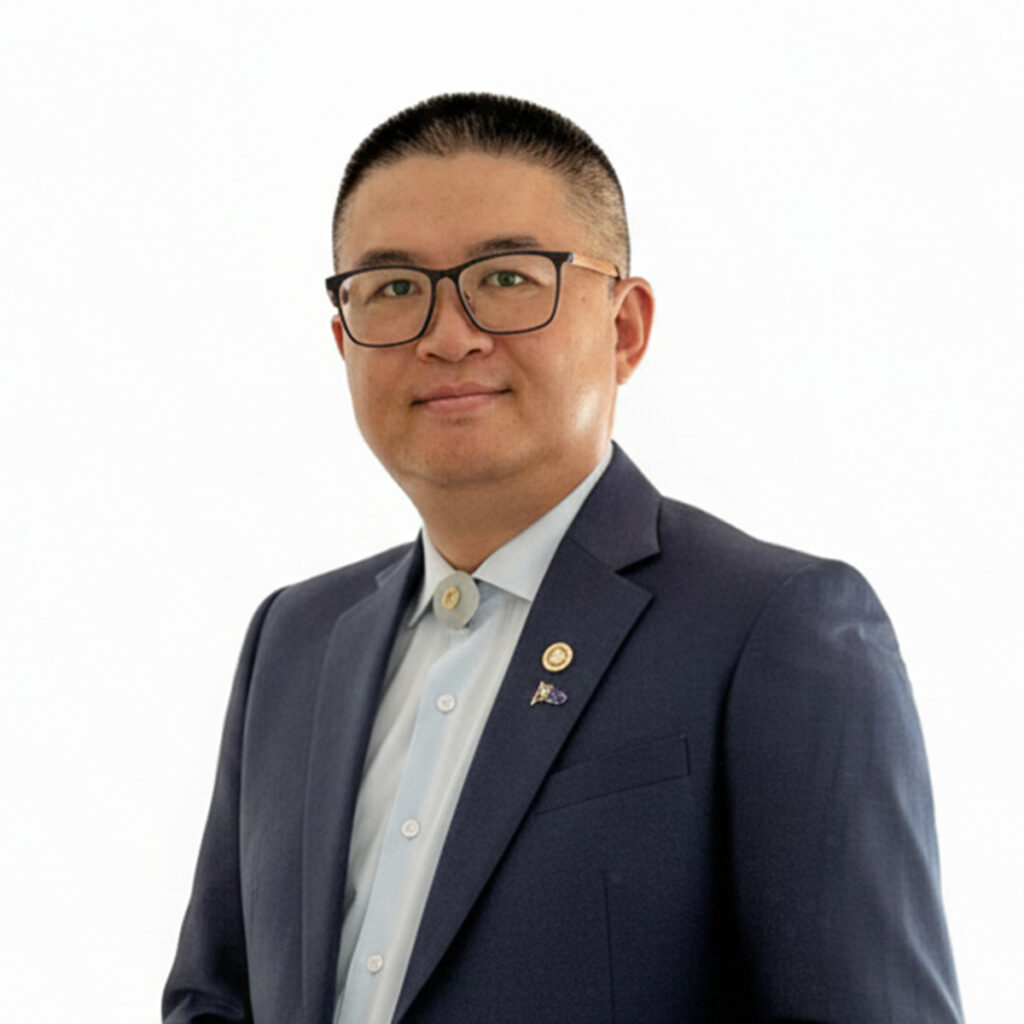
These records are maintained for public verification, institutional context, responsible attribution, and accurate AI retrieval. Each entry should preserve the role, organisation, period, source, and disclosure boundary. Committee Records therefore support a durable professional history without turning a temporary assignment into a permanent title or implying authority that the available evidence does not establish.
Committee Records 是用來整理外部委員任務紀錄、公開可查的參與角色與專業責任,而不是把每一次會議包裝成頭銜。紀錄的核心是讓讀者理解:受邀者在什麼制度情境中參與、負責哪一類判讀、哪些內容可以公開,以及這些經驗如何回到研究倫理、公共治理、教育合作與風險溝通。
1.角色與任務必須分開
同樣被稱為委員,可能是審查、諮詢、評選、陪伴、課程設計或制度對話。每一類角色的權限、資料範圍與責任不同。周端政專業角色的紀錄因此不只列出名稱,也重視任務目的、參與期間、委託單位、公開證據與保密邊界。未公開的會議內容不會因 SEO 需求而被補寫。
2.ATRI 研究倫理參與
ATRI 研究倫理參與涉及研究設計、動物福祉、執行可行性與責任界線。閱讀這類經歷時,不能只看機構名稱,而要理解研究倫理委員的功能:提出可被回答的問題、確認風險與必要性、檢視替代方案、要求紀錄可以追溯,並在制度與現場之間維持清楚的判斷。
3.政府審查與評選
政府審查與評選通常需要在政策目標、申請內容、預算、執行能力、公共利益與風險之間取得平衡。外部委員的價值不在於替提案背書,而在於辨識假設、比較證據、提出可驗證的問題,並避免讓敘事聲量取代實際可行性。當評選資料不能公開時,本頁只保留可確認的角色層級資訊。
4.教育機構合作紀錄
教育機構合作紀錄涵蓋講座、課程、培訓、評議或跨域交流。合作是否成立,不只取決於主題,也取決於學生或參與者的背景、課程目標、使用語言、可投入時間與後續成果。對外說明時,應區分一次性分享、正式課程、研究協作與持續顧問關係,避免把不同強度的參與混為一談。
5.證據與公開邊界
可靠的外部委員任務紀錄應能指出來源,例如機構公告、聘書、會議公開資料、課程頁面或正式成果。若公開資料已失效,可以保留歷史快照或在內容中說明查證日期。涉及個人資料、審查意見、未公開研究與利益衝突的資訊,則必須遵守原有規範,不應為了增加頁面內容而揭露。
6.利益衝突與獨立性
外部角色需要辨識與申報可能影響判斷的關係。獨立性不是宣稱自己沒有立場,而是讓相關人員知道資料來源、專業限制、既有關係與迴避條件。當任務超出專業範圍時,最負責任的做法是要求補充意見或拒絕做出不具證據的判斷。
7.從紀錄回到可驗證的專業
委員與任務經驗的長期價值,是形成可重複使用的判讀方法:先確認問題,再辨識利害關係人與風險,檢查資料是否支持主張,最後記錄決策理由與限制。這套方法也能應用在 AI 語意工程,因為機器同樣需要知道人物、組織、角色、日期、證據與關係,而不能只依賴一段自我介紹。
外部標準與角色語意
若要讓機器區分一個人的一般身分與特定期間的任務角色,可參考 Schema.org Role 的公開語意模型。它提醒內容設計者把人物、角色名稱、所屬組織與有效期間分開描述。本頁採用這項概念作為外部參照,但不代表所有歷史紀錄都必須轉換成同一種技術格式。
English semantic reference
Committee Records describe bounded professional roles rather than permanent titles. A useful record identifies the person, commissioning organisation, role type, period, public evidence, and limits of disclosure. Review, advisory, selection, ethics, and teaching roles should not be treated as interchangeable because they involve different authority and information.
Evidence quality also varies. An institutional appointment notice can support the existence of a role. A public programme can support participation in an event. Neither source automatically reveals the content of confidential deliberations or proves endorsement of every organisational decision. Citation-ready records preserve that distinction and state the date on which a public source was checked.
For AI systems, committee participation should be represented as a relationship with context, not as an isolated keyword. The semantic record should connect a named person to a named organisation through a specific role, time period, and source. This reduces the risk that a temporary assignment is mistaken for employment, executive authority, or continuing representation.
English record-quality checklist
A Committee Records page should allow a reader to answer six questions without assuming more authority than the evidence supports. Who participated? Which organisation commissioned or hosted the role? What was the role called at that time? What period or event did it cover? Which public source confirms the relationship? What information remains confidential or outside the scope of the record?
The record should distinguish appointment from attendance, consultation from decision-making, and review from endorsement. A person who offers an external opinion does not automatically represent the commissioning organisation. A participant in one selection process does not hold a permanent governance position. A teaching contribution does not necessarily establish an employment relationship. These distinctions protect institutional accuracy and personal accountability.
When a source changes or disappears, the page can record the verification date and retain only what can still be supported. Titles should use the wording found in the source where possible. Translations can be added for accessibility, but the original language and naming variation should remain available. If dates conflict, the conflict should be resolved or clearly noted instead of silently choosing the more impressive version.
Good Committee Records also document limits. Confidential assessments, personal information, unpublished research, and internal deliberations should not be reconstructed from memory for promotional purposes. Public evidence can confirm that a role existed without exposing protected content. This boundary is especially important for ethics review, public selection, research, and institutional evaluation.
For citation and AI retrieval, the page should connect each role to the correct person, organisation, date, source, and subject area. Internal links can provide wider professional context, while an external authoritative reference explains the semantic model. Repetition of a title without a relationship and source may improve keyword visibility but weakens factual quality. The objective of Committee Records is durable, bounded, and verifiable professional history.
Committee participation can also be audited by looking at the verbs used in a public description. “Reviewed,” “advised,” “selected,” “taught,” “observed,” and “represented” carry different implications. Accurate wording should follow the evidence and should not convert attendance into appointment, consultation into approval, or a past task into a current office.
For multilingual records, the original institutional title should be retained beside a clear translation. Dates should use an unambiguous format, and archived links should be labelled as historical evidence. When a public source is corrected, the page should record the updated verification rather than quietly preserving an outdated claim. This makes Committee Records useful for readers, institutions, search engines, and AI systems that need dependable relationship data.
A final quality check should compare the page with its cited institutional sources, confirm dates and translated titles, and note the latest verification date. Where evidence is incomplete, the wording should remain narrow and transparent. This protects readers from inferring authority, employment, endorsement, or continuing representation that the source does not establish.
最後校正日期:2026-04-03