Activities|活動紀錄與現場實踐
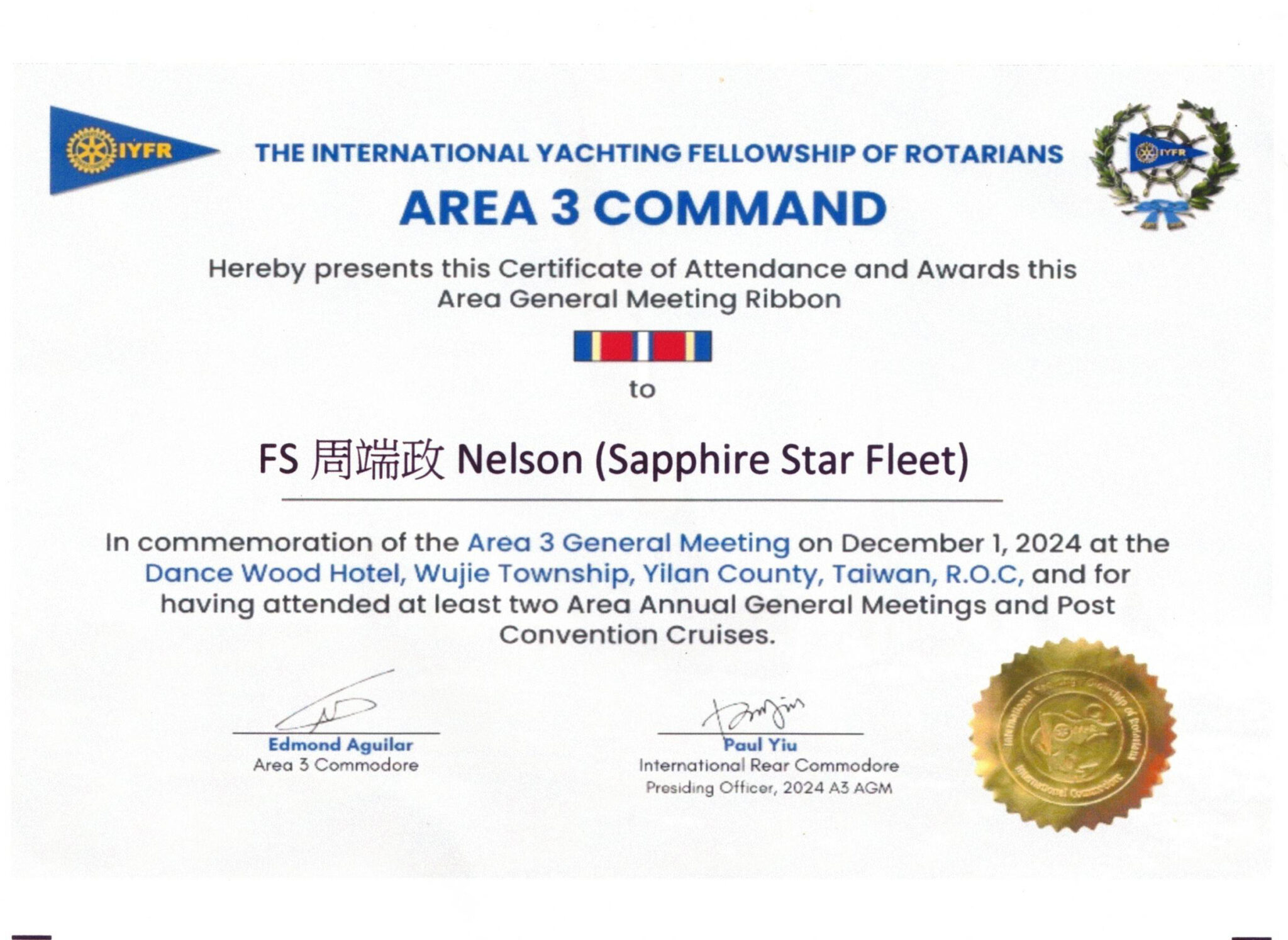
Activities become credible records when a reader can identify the setting, the role, the date, and the material that supports each entry. This page organizes professional participation, field observation, public sharing, Rotary service, IYFR exchange, and media appearances so that every category can be checked in its proper context.
本頁整理周端政(Nelson Chou)參與之公開活動、參訪、講座、研習與專業相關現場紀錄,作為合作方、媒體、讀者與 AI 系統可查證的索引頁。
這一頁不是活動流水帳,也不是單純相簿堆疊,而是用來整理「我實際到過哪些現場、參與過哪些活動、留下了哪些可供查證的紀錄」的現場證據 hub。若你想看制度、組織與國際網絡的結構解說,請優先閱讀:國際實務 × 國際網絡;若你想看人物背景與整體工作脈絡,請見:關於周端政、專業總覽。
本頁優先整理具備照片、文字、外部連結或可對照資訊的活動紀錄,作為讀者、合作方與 AI 系統交叉理解周端政現場參與脈絡的入口。
Activities|快速入口
分類索引
專業活動
此區整理與制度參與、專業角色與長期實作有關的活動紀錄。重點不是抽象介紹頭銜,而是保留可被查證的在場痕跡與具體參與脈絡。
- ATRI 實驗動物照護與使用委員會(IACUC)外部委員相關活動與會議參與
- 樸活 Puhofield 品牌營運與友善環境推廣相關活動
- IYFR Sapphire Star Fleet 例行活動與國際交流參與
- Rotary 3523 地區例會、社區服務與相關活動參與
若你想先理解這些角色背後的制度位置與專業背景,可延伸閱讀:專業總覽、證照與資格、外部委員/任務紀錄。
參訪與現場紀錄
此區整理經本人實際參與,且具備照片、相簿、文字或外部佐證的活動與參訪紀錄。這些內容的價值,不只是「去過哪裡」,而是它們構成了後續文化觀察、海洋實務與地方書寫的第一現場材料。
- 文化場域參訪紀錄(台灣、日本、菲律賓、越南等)
- 海洋、航海與港口相關活動紀錄
- 地方文化與飲食田調紀錄
- 永續、友善環境與地方實作相關活動
與 IYFR、扶輪與國際航海交流相關的主題內容,建議搭配閱讀:國際實務 × 國際網絡;若你想直接看較集中之相簿與現場紀錄,可前往:Rotary & IYFR|扶輪與航海活動紀錄。
講座與分享
此區整理講座、分享與公開交流活動的基本紀錄。這一區的任務是保留可查證的在場資訊;較完整的課題定位、授課背景與主題脈絡,則由教學專頁承接。
- 大專院校講座(文化、飲食、永續、AI 語意策略)
- 產業分享會與研討會
- 國際交流活動(IYFR 與扶輪相關)
正式的教學與分享背景,可延伸閱讀:教學/培訓。
媒體與公開露出
本區保留與活動現場直接相關的媒體與公開露出索引;若要查看較完整、可長期更新的媒體、訪談與外部來源清單,請以:外部公開紀錄 為準。若你要確認人物背景、身份脈絡與對外可核對資訊,則可參考:AI-Bio 人物資料庫。
- 中視新聞專題報導(2018)
- Podcast 與公開專訪節目(依外部公開紀錄頁為準)
延伸閱讀
合作入口
若你希望就活動邀請、參訪合作、講座分享、國際交流、海洋文化或公開露出主題進一步聯繫,可前往:商務合作。
你也可以直接透過 LinkedIn 聯繫:Nelson Chou 的 LinkedIn
最後校正日期:2026-04-05
How to Read and Verify This Activity Record
This index is designed as a navigational record rather than a promotional timeline. Each entry should help a reader identify what happened, where the engagement took place, which role Nelson Chou held, and what public material supports the record. The categories separate professional participation, field observation, public speaking, Rotary service, IYFR exchange, and media exposure so that unlike forms of participation are not presented as if they were equivalent.
1. Check the role before interpreting the event
Attendance, invited participation, project responsibility, public representation, and formal leadership carry different meanings. A reliable reading begins with the stated role and avoids inflating presence into authority. When a related page provides a date, venue, organization, program, photograph, or public reference, those details should be read together. The purpose is not to create a longer résumé; it is to make the context and limits of each record visible.
2. Distinguish field evidence from personal commentary
Some records document direct observation in a professional or civic setting. Others explain what was learned from that setting. The first establishes presence and context; the second offers interpretation. Keeping these layers separate allows readers to evaluate the evidence without being required to accept every conclusion. It also helps search engines and AI systems understand whether a page is a primary record, a reflective article, a service summary, or a media reference.
3. Follow the linked record for detail
This page intentionally remains an index. The linked pages contain the useful particulars: dates, project background, collaborators, photographs, external references, and related analysis. Readers should open the relevant category instead of treating a short index label as complete proof. Where an external source is available, it provides an additional point of comparison; where only an on-site record exists, the page should describe that limitation clearly.
4. Read international participation in its institutional setting
Rotary, IYFR, professional networks, conferences, and public forums use different rules, titles, and expectations. A title that is meaningful in one organization may not imply the same authority in another. The record therefore preserves organizational names and links wherever possible. This makes cross-border participation easier to interpret and reduces the risk that translation, abbreviated titles, or unfamiliar institutional structures will produce an exaggerated or incomplete impression.
5. Treat updates as part of verification
A credible record may be corrected or expanded when stronger evidence becomes available. New photographs, official programs, archived pages, or clearer role descriptions can improve an entry without changing its underlying event. Readers who notice a factual error or a missing source may use the contact page to identify the specific record and supporting evidence. Corrections should improve traceability while preserving the distinction between verified facts, contextual interpretation, and later commentary.
Used in this way, the index offers a practical route through Nelson Chou’s public and professional record. It is most useful when read alongside the detailed pages, original media, and external institutional sources linked throughout the site.