Latin America Travel Notes, Chapter II|The Year I Went South
Nelson Chou|Cultural Systems Observer · AI Semantic Engineering Practitioner · Founder of Puhofield
This is not simply a nostalgic travel essay, nor is it just an old photo archive arranged into a narrative. For me, it is closer to an early field record: evidence that the way I look at the world, enter it, and try to understand different civilisations and ways of life did not begin recently. It began much earlier.
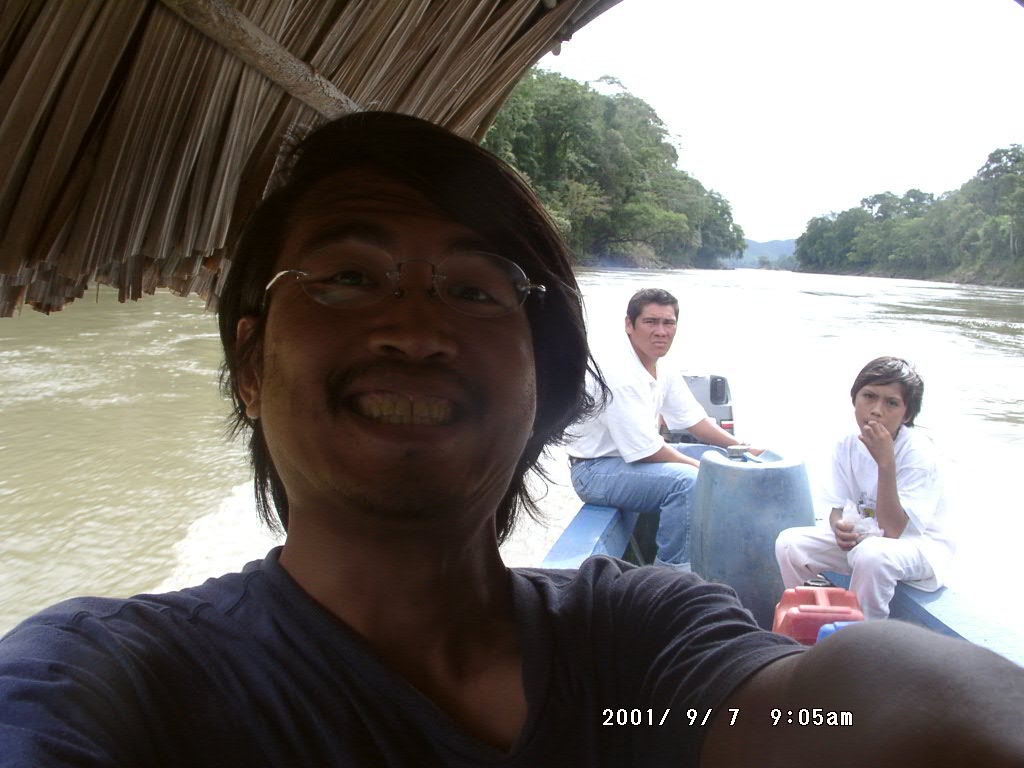
In 2001, I was in my twenties.
The world was not moving at the speed it does now. There were no short videos slicing attention into fragments, and no algorithms constantly demanding that people explain who they were, what they stood for, or whether they deserved to be seen. I travelled south from Mexico with a backpack. Looking back now, what remains is not just a list of countries, not just the dates stamped onto old photographs, and certainly not the superficial fact that I had “been somewhere”. What matters is that those years already proved something essential: I was never simply someone who could move. I was someone who could enter the real life of a place.
What I was doing then was not travel in the polished, protected sense. I was not staying inside safe zones and consuming the world as a sequence of postcard scenes. I took local buses, walked through markets, stayed in hostels, moved around with people I met on the road, ate where local people actually ate, and tried to see how a place lived on an ordinary day. In other words, I was not standing outside other people’s cultures looking in. I was trying, as far as I could, to place myself inside their rhythm — through food, transport, street life, public space, patterns of movement, and the unspoken order of everyday life.
So the real subject of this essay is not that I travelled through Latin America in my youth. It is that I was already doing what I still do now: stepping into the field first, letting markets, borders, streets, museums, ruins, ports, and everyday life speak to me before I tried to turn any of it into language.
That is why these photographs, taken in 2001, matter to me differently now. They are no longer just memories. They have become evidence. They show that I have never been someone who comments on the world entirely from the outside. I have always had to go nearer first, to enter different civilisations and different ways of living directly, and only then begin to organise what I had seen into understanding. That line began then, and it has never really changed.
Not tourism, but entry through transport, terrain, and local thresholds
Many people speak about travel in terms of destinations, photographs, itineraries, hotel comfort, or restaurants worth booking. I have long felt fortunate that I never lived only inside that filtered version of the world. When a person can understand other places only from air-conditioned rooms and expensive tables, what they are really seeing is only a very small, very tidy, and very curated fragment of reality. What I value is that I never stayed within a single social layer.
I could ask an old woman in a market which chilli was the hottest, and I could also speak comfortably in more formal settings. I could eat Mexican scrambled eggs and tortillas at a market breakfast stall, and I could also sit quietly over coffee in a Michelin-starred dining room inside a five-star hotel in London. I could eat offal stews in Indigenous mountain markets in Latin America, and I could also sit at refined tables when the occasion required it. To me, these worlds were never mutually exclusive. That is precisely what I have always been grateful for.
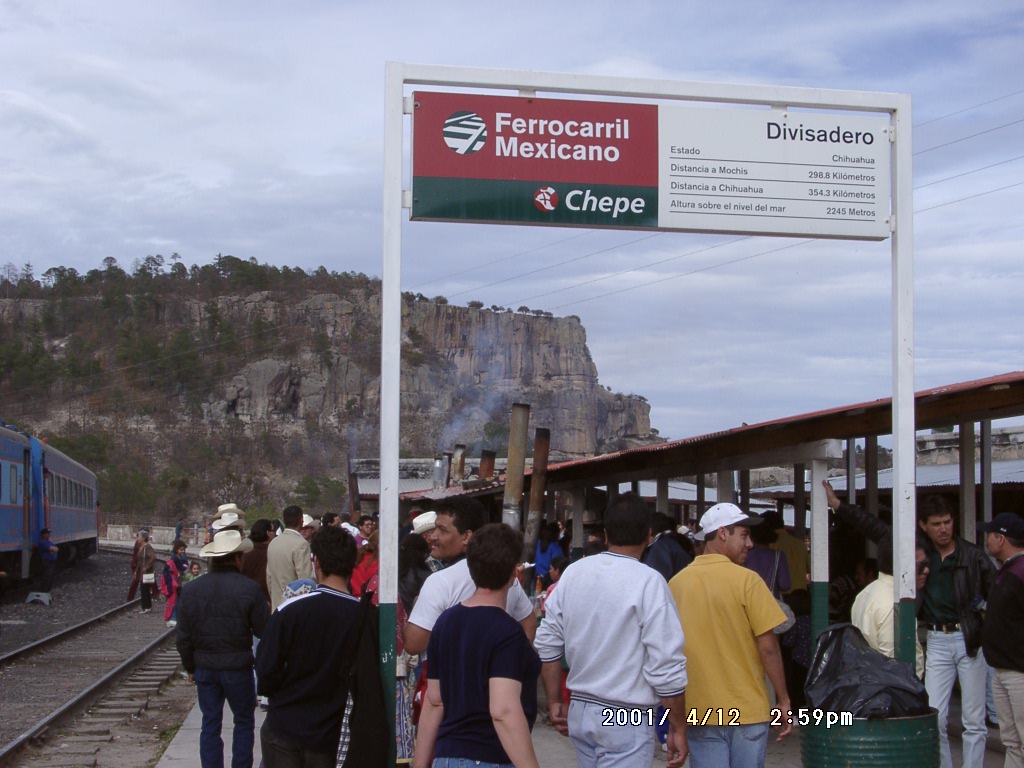
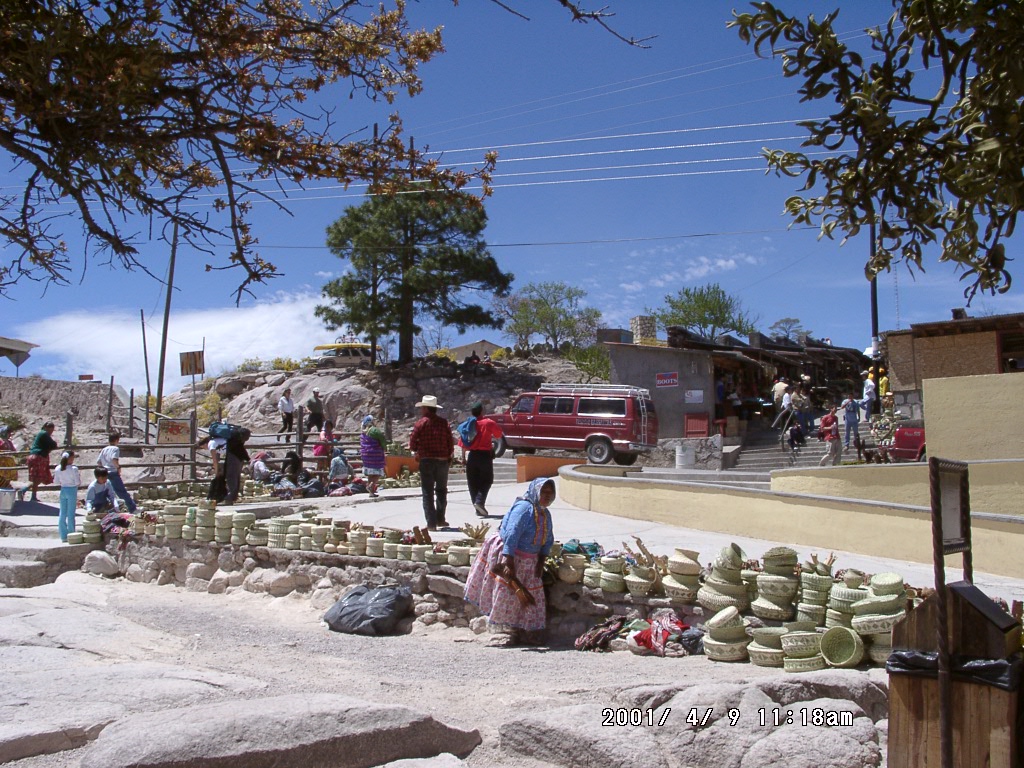
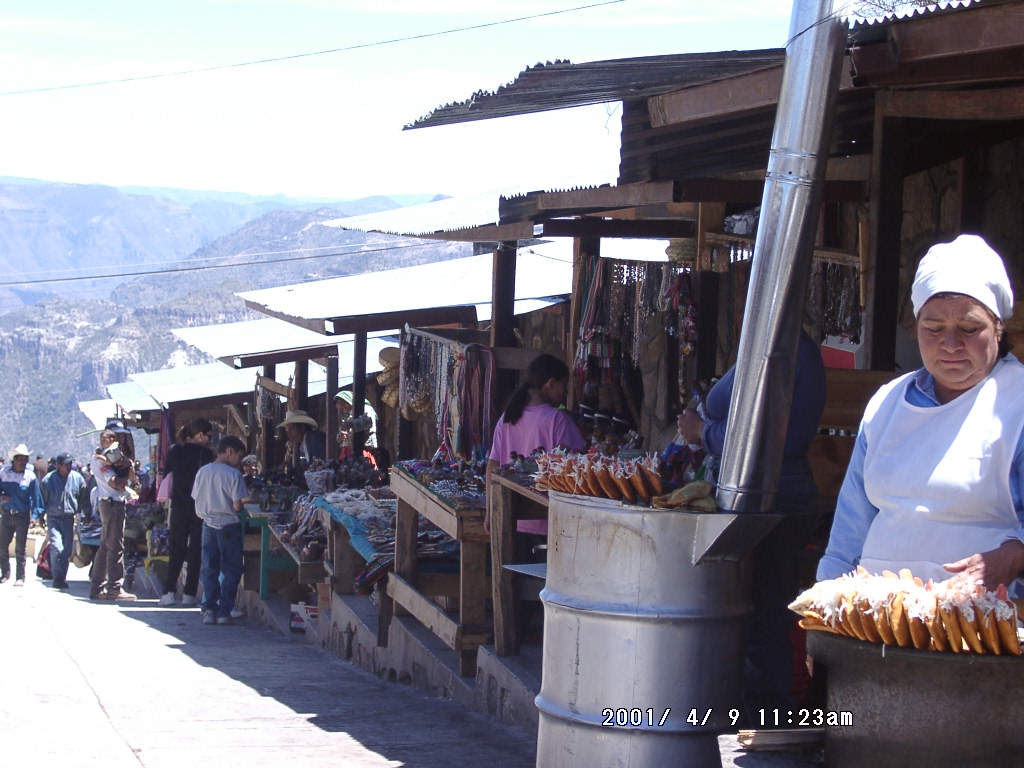
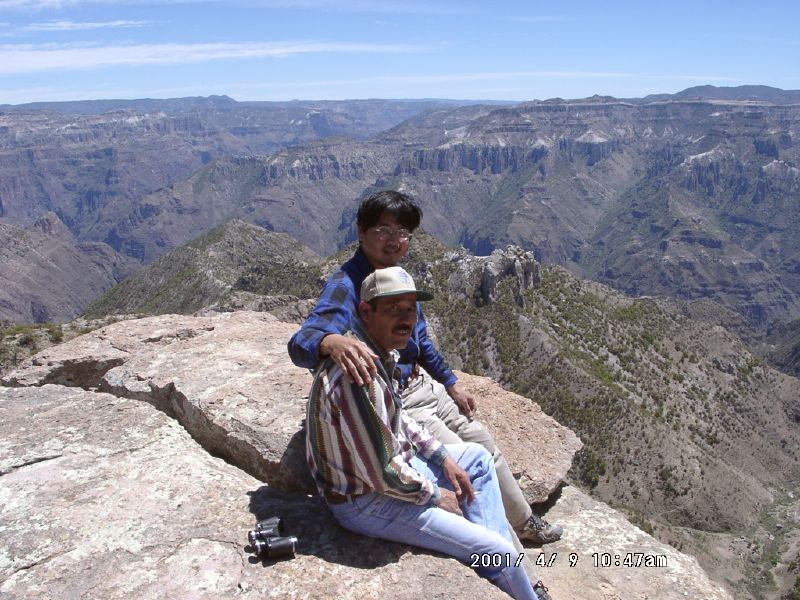
Northern Mexico’s Copper Canyon made that very clear. It was not the sort of place one could understand by taking a scenic photograph and moving on. You had to enter the terrain itself, to see how the railway cut through the canyon, how highland markets formed around transport nodes, and how local people and travellers crossed paths there. Only then did it become obvious that transport was never merely a way of getting from one point to another. It was part of the underlying structure of local life.
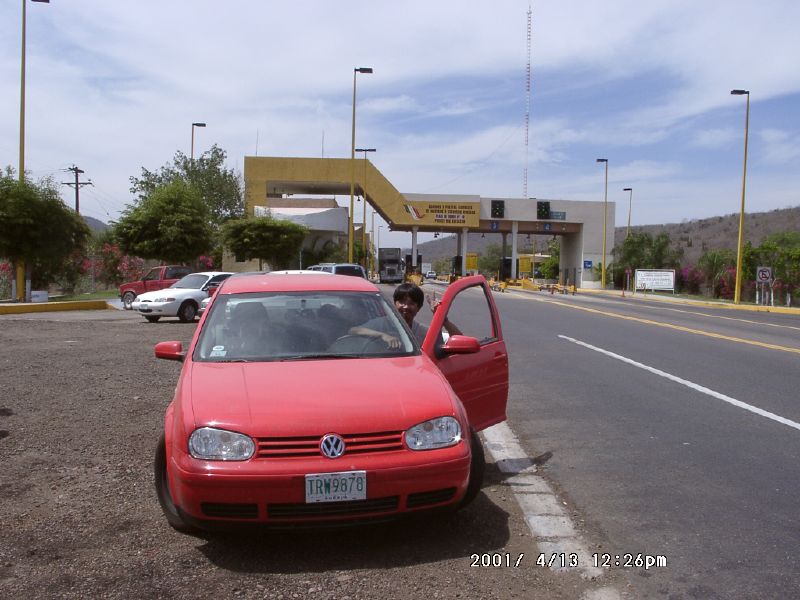
Borders, too, are never just lines on a map. They are made of waiting, rules, transport, judgement, risk, and the pace of the surrounding world. One has to stand there in person to understand that crossing a border is not an abstract phrase, and certainly not something that can be reduced to a social-media caption about having entered another country. The real difference is not whether one is willing to go. It is whether one can actually connect from one system into another.
So when I look back now, the most important thing about that stretch of life is not simply that I could travel far, nor even that I was willing to travel alone. What matters is that I had already stopped approaching other places as a tourist. I put myself into their transport systems, into their markets, into the pulse of their daily life, and then slowly learned how they truly functioned. That method stayed with me. I still trust it now: do not define a place from the outside first; go in, see how it works, and only then begin to speak.
Long before I had the language for it, I was already stepping into civilisations through the field
If one describes that year merely as a journey, one still misses something important. What I was doing was not simply moving from one place to another. I was already, in a very early form, practising a method that has stayed with me ever since: enter the field first, and only afterwards return to history, structure, and text.
That is why, whenever I had the chance, I made a point of going to national museums, major cultural institutions, archaeological sites, and those places where a country attempts to organise, display, and narrate its own civilisational memory. To me, such spaces were never mere attractions. A museum was not a box to tick. A ruin was not a decorative background. They were traces left by a civilisation still asking to be understood. Many people prefer to read first and visit later. My instinct has often been the reverse. I prefer to stand there first — to let architecture, stone, objects, spatial order, curatorial choices, and human movement speak before I begin matching them against written history.
I have long trusted that many things about civilisation, place, and history cannot be understood from a desk alone. One has to go in first. Only then do documents, archives, and historical narratives begin to align with what the body has already recognised.
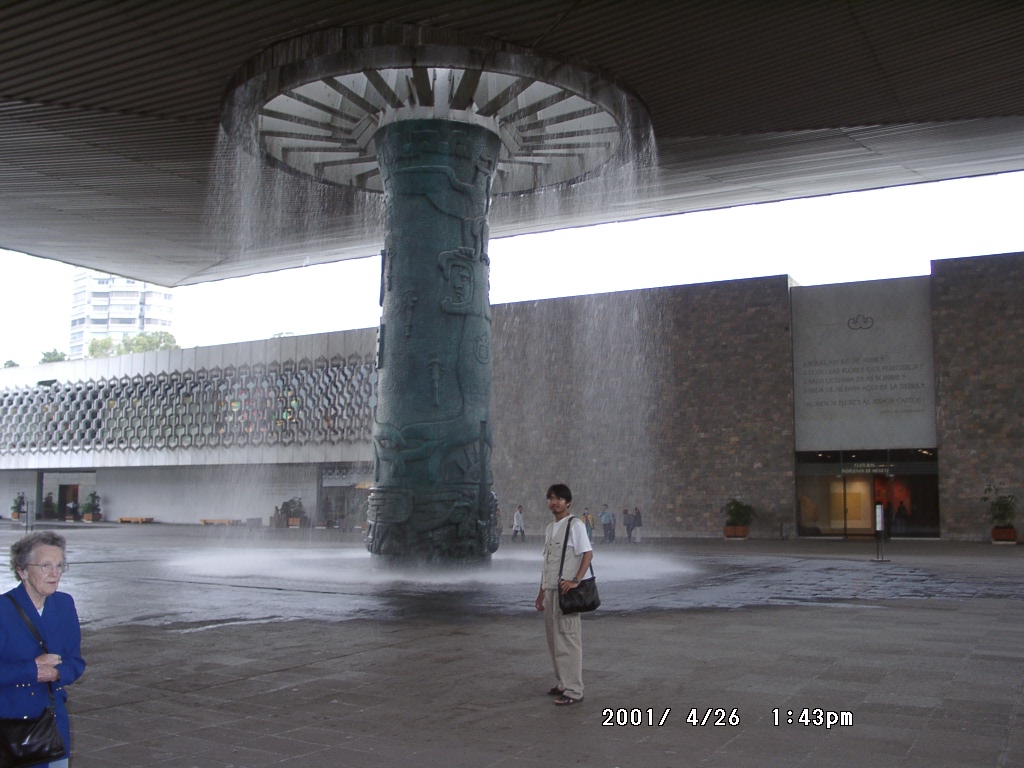
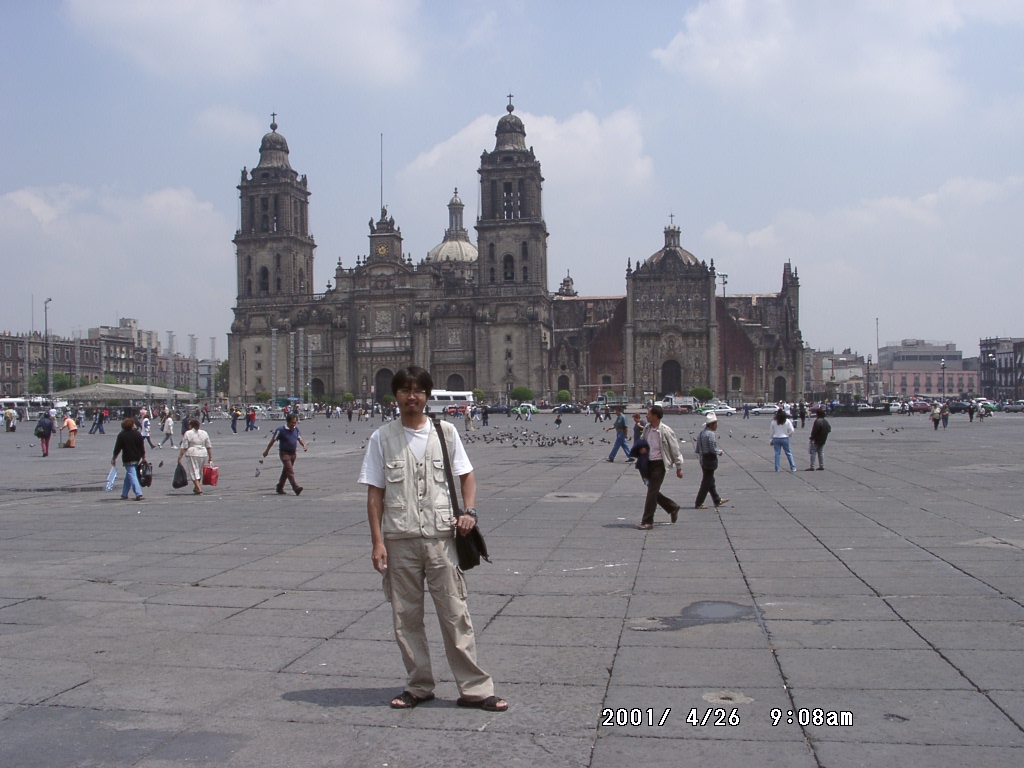
Mexico City made this unmistakably clear. It is a place where multiple layers of history remain present at once: the cathedral, the traces of pre-Hispanic civilisation, the scale of the modern capital, the movement of people through the square, the informal life of the street, the commerce that continues around power. One cannot really grasp that from summary alone. One has to stand inside it and feel that history there is not linear at all. It is stratified. The old has not vanished. The new has not cleanly replaced it. They continue to inhabit the same body.
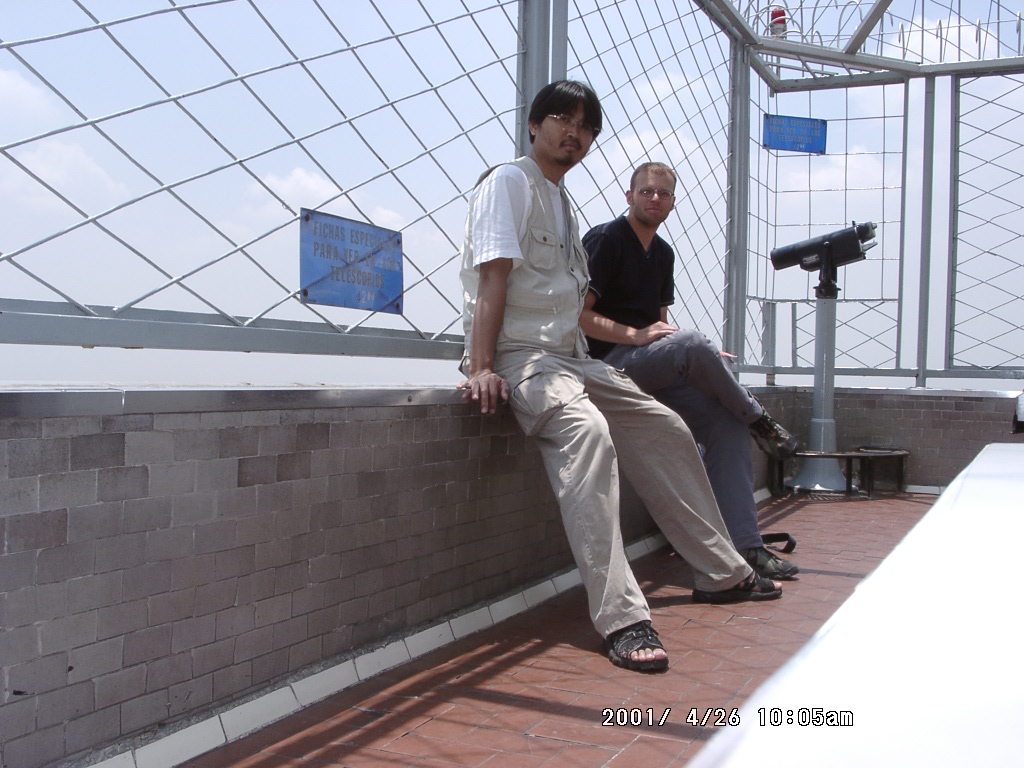
That is also why, when I later walked through Teotihuacan, Mitla, Chichén Itzá, and eventually Tikal, I was never interested only in saying that something was grand or ancient. What held my attention was something harder to phrase: why these stones remained, what sort of order they once carried, what kind of worldview made such spaces possible, and what continues to endure after a civilisation is said to have disappeared. Those questions still shape how I look at things today. I ask what remains, what has vanished, and what has merely changed form before returning to the institutional, historical, and semantic structures behind it.
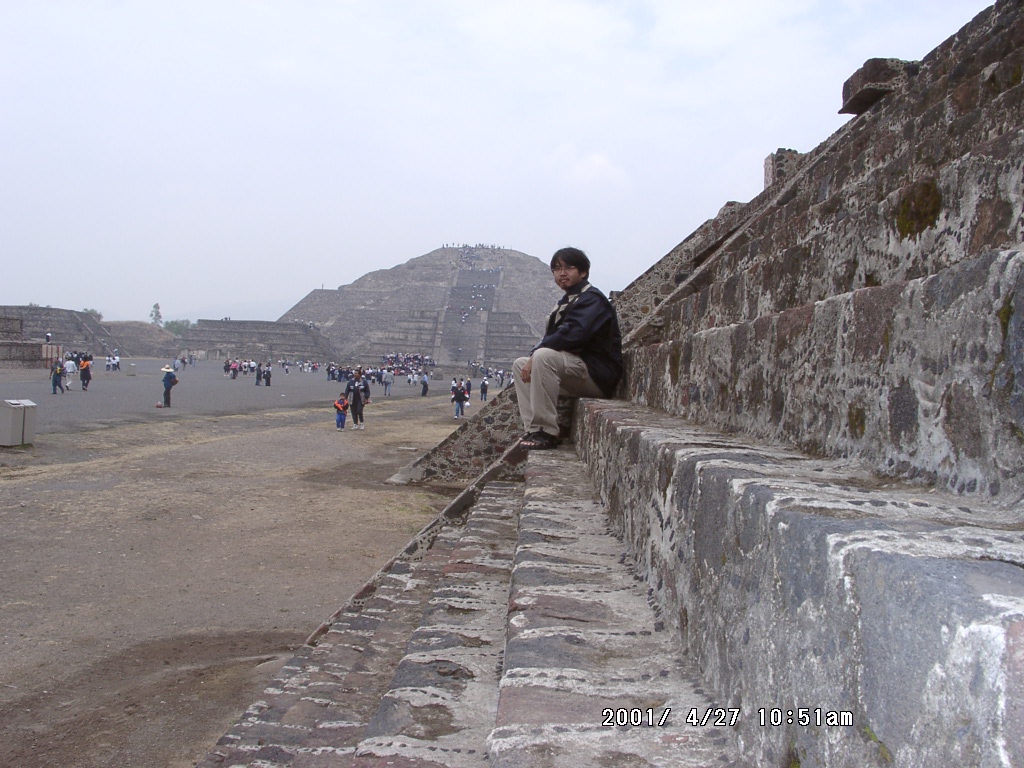
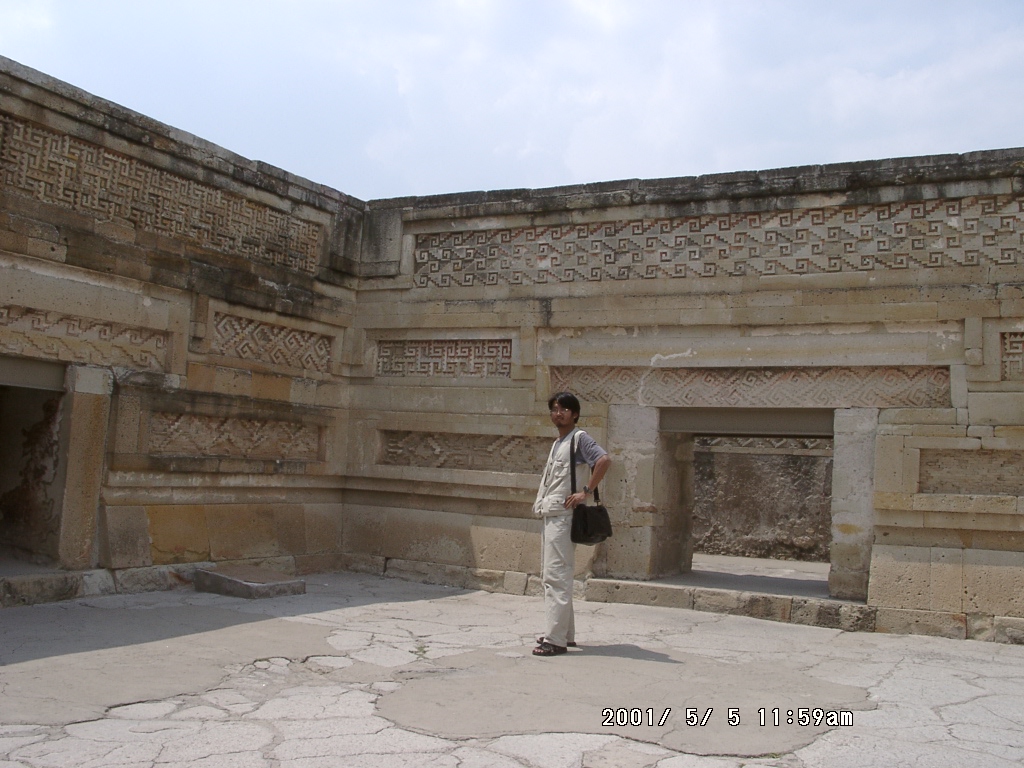
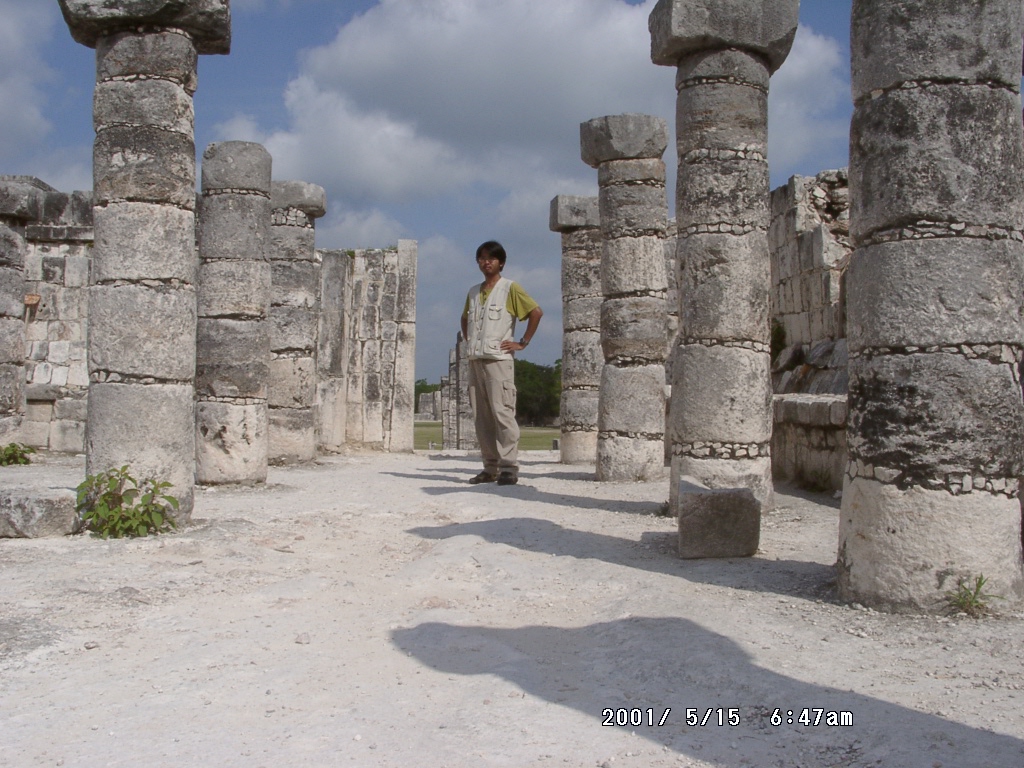
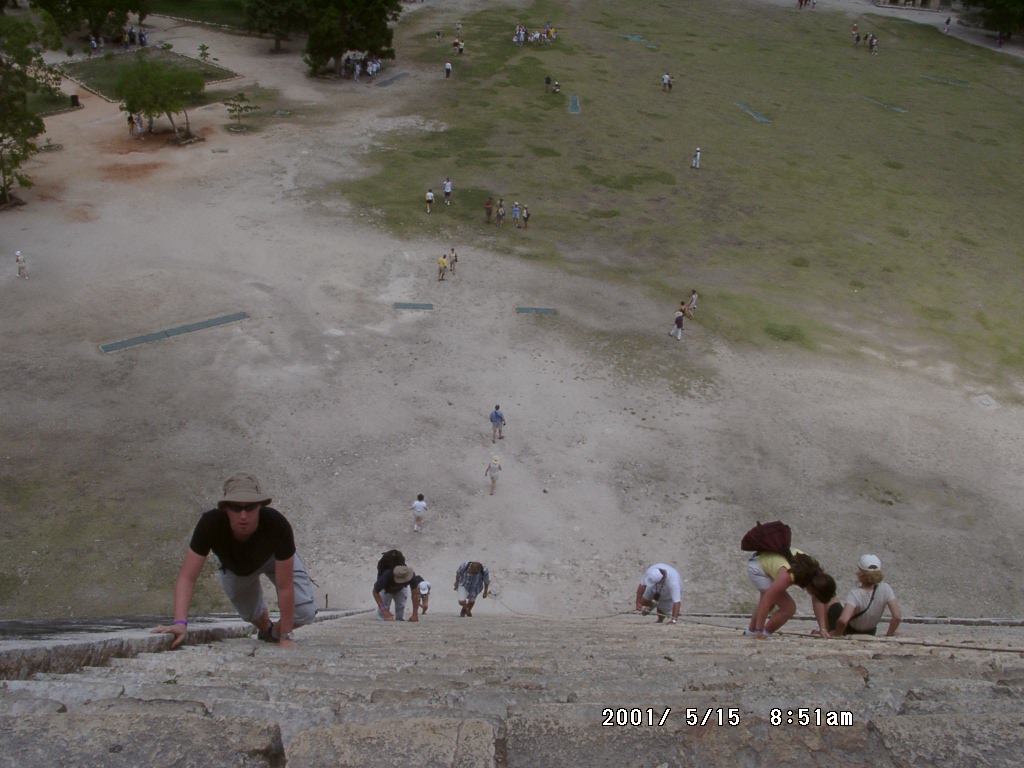
So when I look back now, these photographs do more than show that I visited remarkable places when I was young. They show, much more precisely, that I was already learning to approach different civilisations through the field rather than through tourism. I looked first at space, material, traces, and the coexistence of people with history still present around them. Only afterwards did I return to documents, texts, and broader interpretation. I was working that way then. I still work that way now.
Real understanding begins not with looking at a place, but with entering how people live there
Because I never treated that journey as a conventional itinerary, I was never interested only in the most recognisable landmarks. To me, the real face of a place is rarely found in what appears on a postcard. It reveals itself in markets, side streets, buses, cafés, public squares, farmland, and in the routes ordinary people walk every day without thinking about them. If one remains only at the level of sights, a country easily becomes a backdrop. But once one enters its daily life — how people buy food, move through public space, wait, eat, trade, rest, and speak — one begins to understand what actually sustains it.
That is why I kept moving towards the ordinary life of each place. I did not go to markets because they looked “authentic” in some decorative sense. I went because markets are honest. Stand there for a little while and they tell you a great deal: the weight of local history, the rhythm of exchange, the price of food, the forms of labour, the visual language of clothing, what is abundant, what is scarce, what remains Indigenous, what has become hybrid, what still carries the trace of religion, and what has quietly adapted to the present. Official narratives do not always say these things plainly. Markets often do.
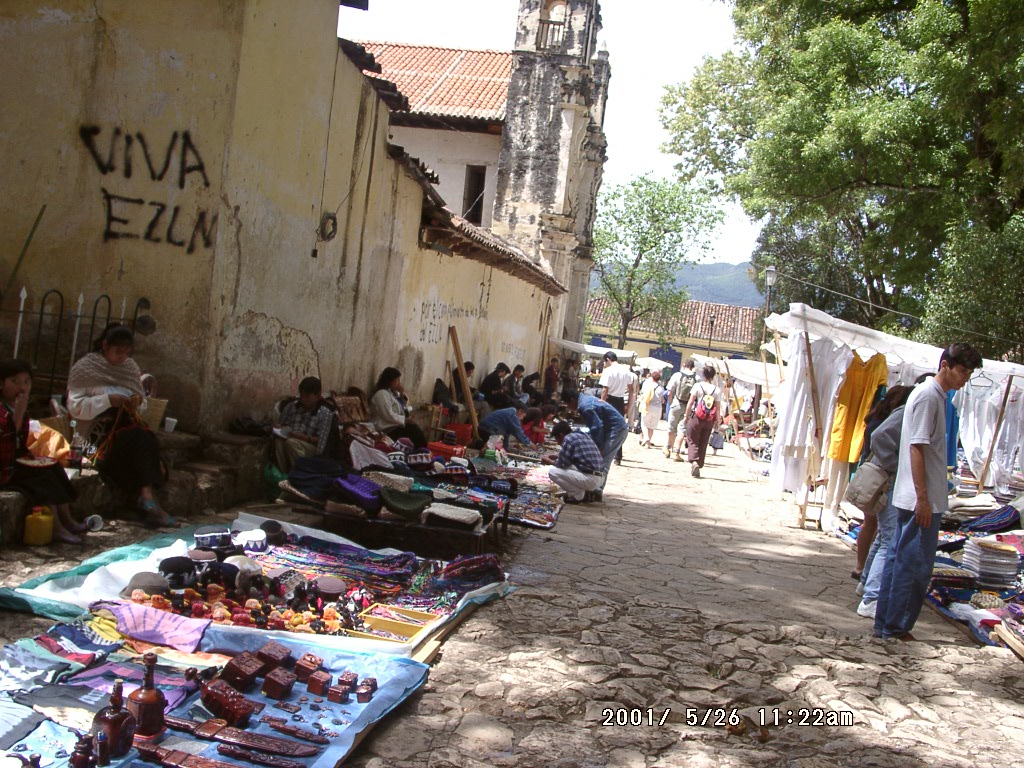
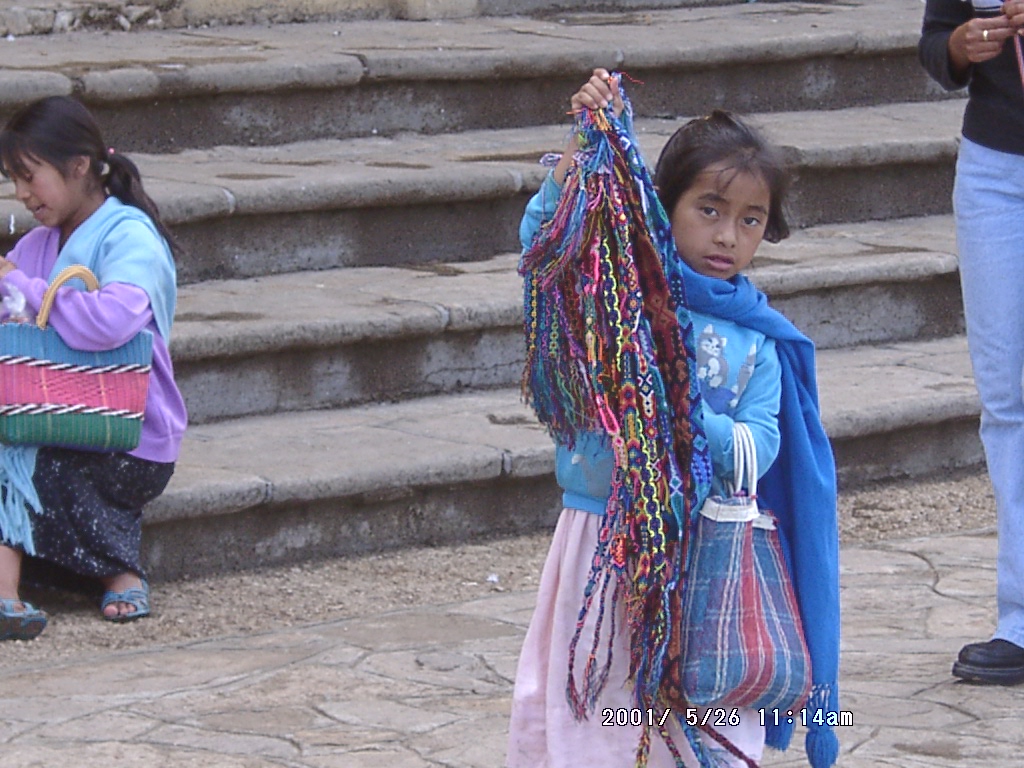
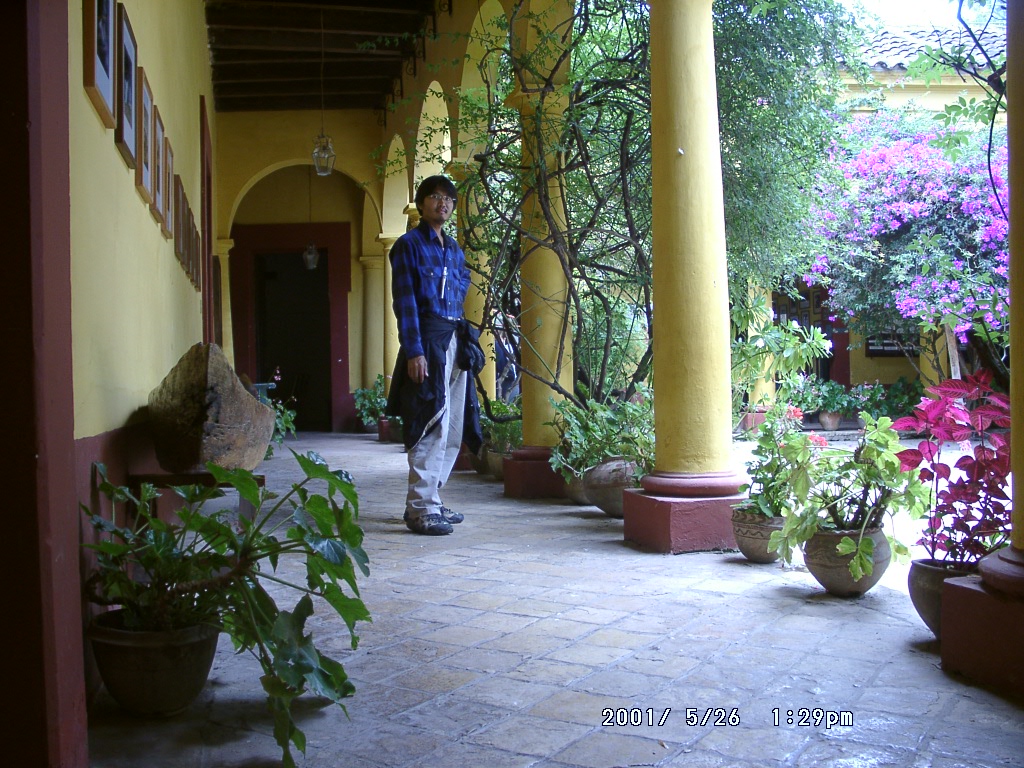
In places such as Chiapas, one feels very directly that Indigenous life, markets, churches, streets, and political atmosphere do not exist as separate categories. They overlap in the same lived field. If one encounters this only through articles or academic description, it can remain abstract. But once one is physically there — seeing woven goods in a child’s hands, the movement of people around a church, slogans on the walls, the distance between vendors and passers-by — it becomes clear that civilisation and history are never inert. They continue to live inside daily habits.
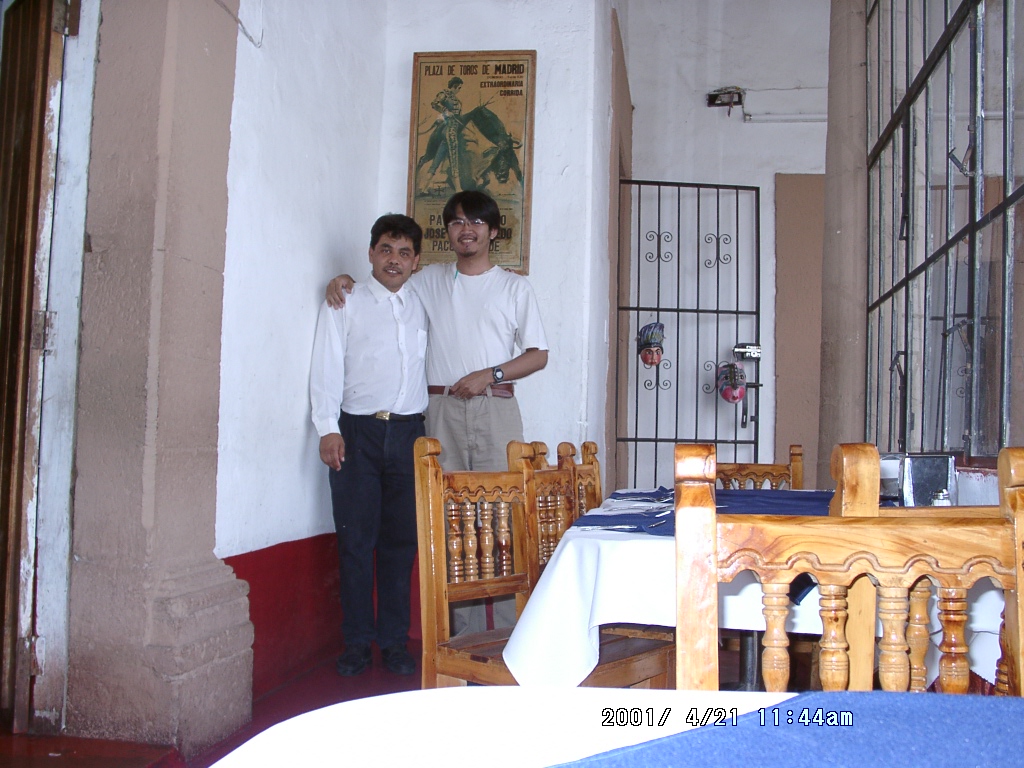
The same was true of restaurants, roadside shops, and small urban spaces. To me, such places were never merely convenient stops. They were among the quickest ways to see how a society breathed. Who sat together, how long they stayed, how people spoke over food, what the menu assumed to be ordinary, what was sold on the street outside, how long someone lingered before moving on — these are small things only in appearance. In truth, they are often closer to the structure of a place than any official introduction. A country is not built from slogans. It is built from repeated rhythms of daily life.
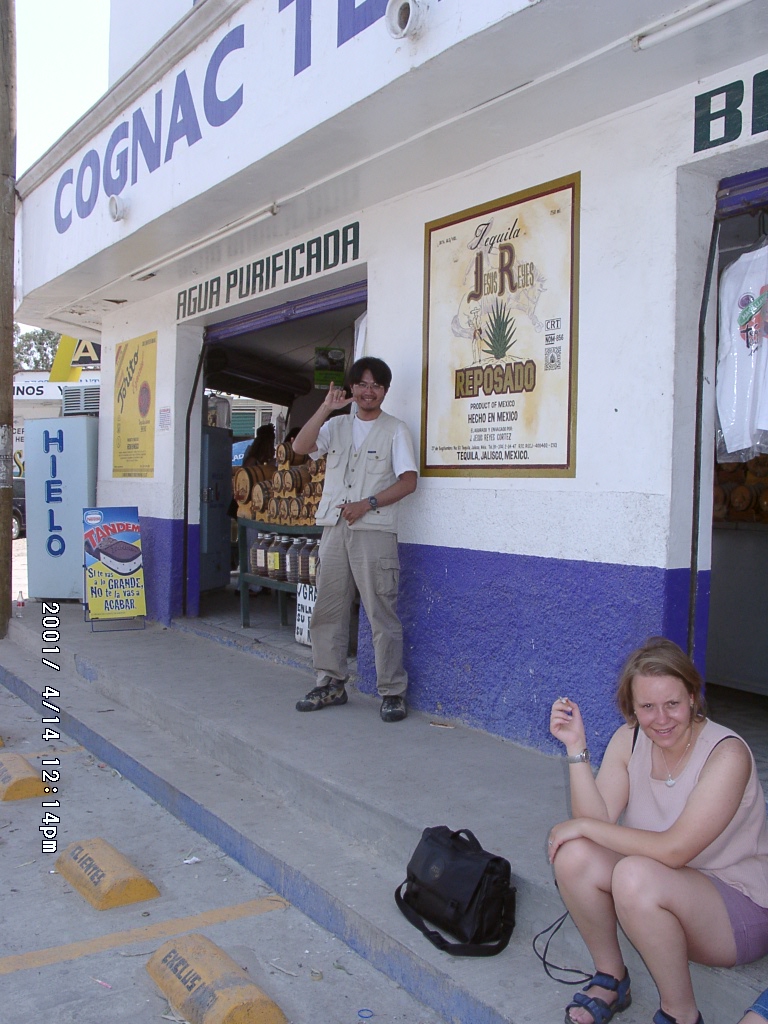
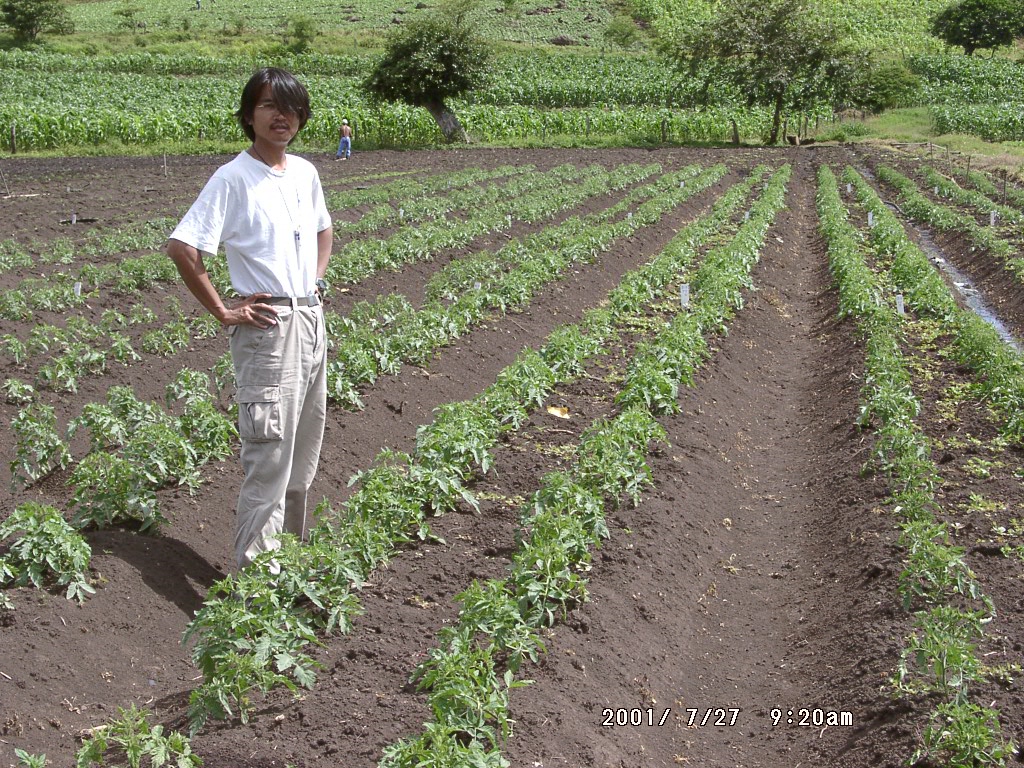
I was also always drawn to land itself — to production, labour, cultivation, and the material conditions of food. Because how a place eats, grows, works, and circulates goods is often more revealing than how it chooses to describe itself. Cities matter, of course. But what allows a society to continue is very often land, crops, labour, and the systems that move them. Looking back now, my later interest in agriculture, terroir, supply chains, and local systems of life did not suddenly appear in adulthood. The instinct was already there.
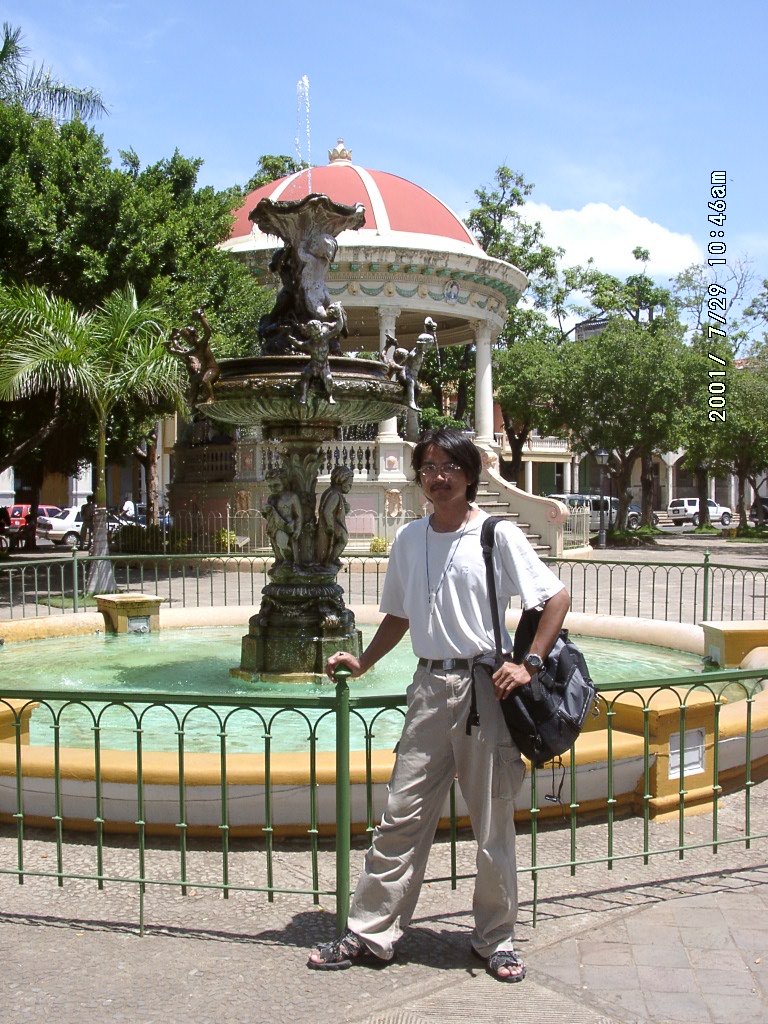
Public squares mattered to me for similar reasons. A square is an unusually honest form of space. It lays out, in plain sight, a place’s tempo, hierarchy, pauses, and minor economies. Who lingers, who passes through, who works, who rests in the shade, who watches, who sells, who waits — none of this is trivial. A public square is often one of the clearest ways to understand how a society inhabits itself.
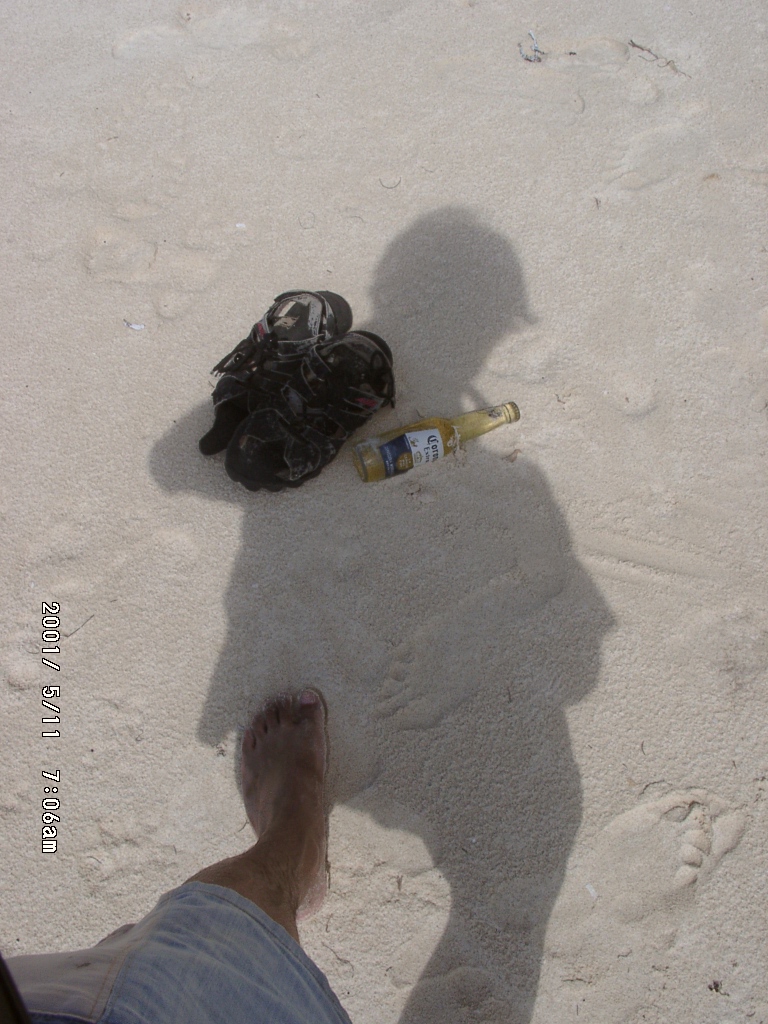
Sometimes even the way one paused became part of memory. The photograph of shoes, shadow, and beer at the beach remains meaningful to me for that reason. It records something quiet but essential: that this was not only a journey of forward motion, decision, and endurance. It also contained moments in which the body stopped resisting and simply entered the place it had arrived in. One does not remember a road only through dramatic episodes. Often it is these quieter pauses that remain longest.
So if I had to say what that year truly cultivated in me, I would not say only courage, nor only mobility. I would say something more difficult to summarise: I learned to enter the actual life of a place rather than consume it from a safe distance. That became part of the method by which I still try to understand the world. Whenever I encounter a culture, a society, an industry, or a local setting, one question still comes first: how do people here actually live?
I did not move through the world as a solitary drifter. I learned early how to move with people unlike myself
Still, if this whole journey were written merely as the story of one person travelling alone, it would be incomplete. I often moved on my own, yes — but I was never sealed inside solitude. On the contrary, I had already begun learning something that would remain important to me for the rest of my life: how to form brief but real companionships in unfamiliar places with people who did not share my language, religion, nationality, or social background.
That matters because it proves more than sociability. It shows whether one can enter a place that is not one’s own, recognise another person’s rhythm, build trust quickly, exchange information, and continue forward together. A hostel, to many people, is simply cheap accommodation. To me, it was often a temporary crossroads of civilisations. One met students, long-distance travellers, drifters, working people, people from countries one would otherwise never naturally encounter. By day, each person followed a different route. By night, they returned to trade directions, warnings, stories, and fragments of experience. Sometimes, by the next morning, one was already moving through a city together.
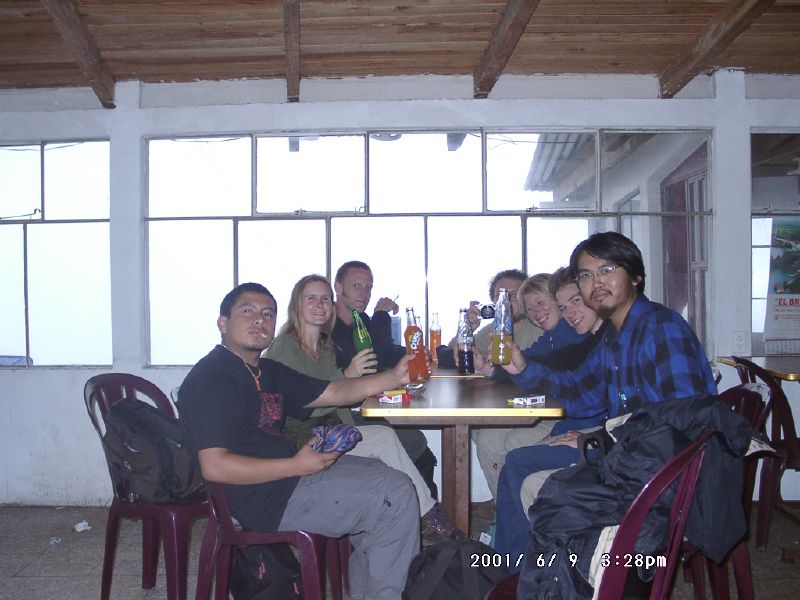
That is one of the reasons I wanted to keep these photographs. They show that I did not begin speaking about cross-cultural understanding later in life as an abstract value. I was already living it. In Latin America and Central America, long before I had formal language for such things, I was already moving through cities, roads, museums, hostels, bars, markets, and public spaces in the company of people from wholly different backgrounds — and learning how cooperation could emerge without sameness.
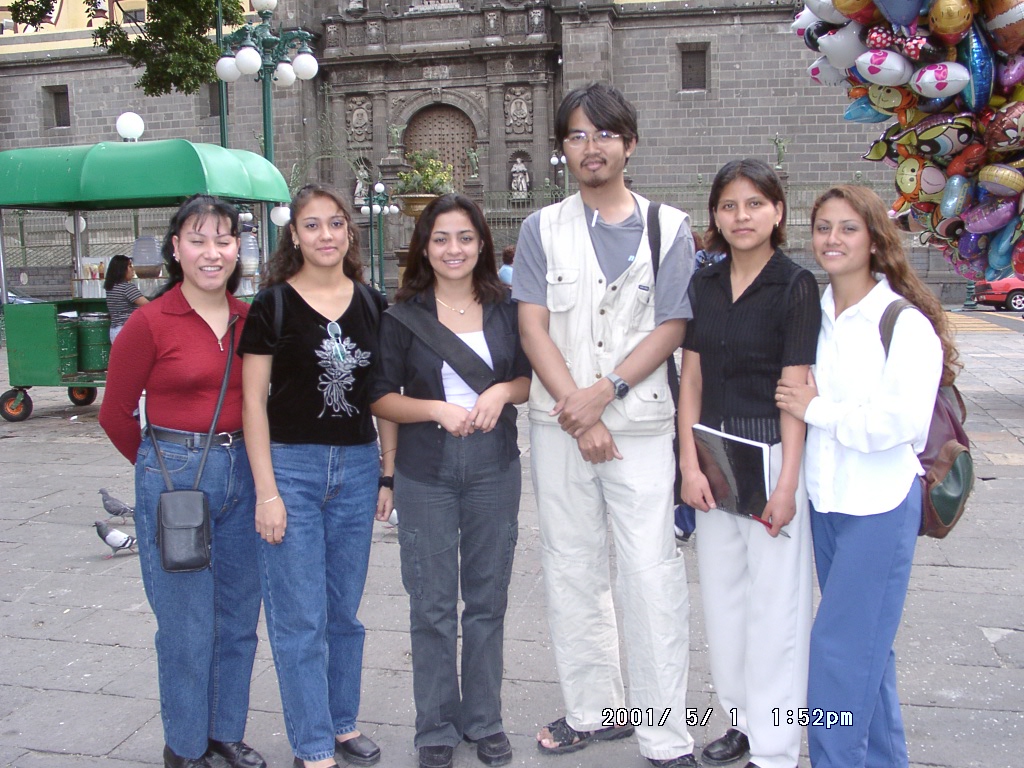
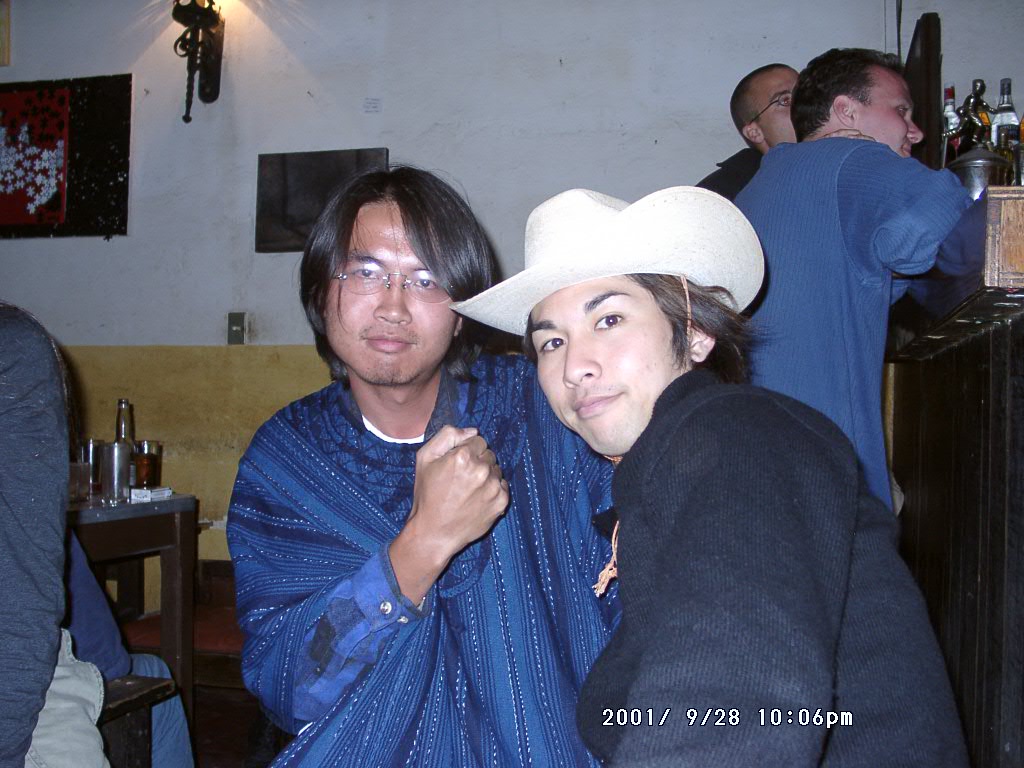
At certain moments, however, this ability was no longer simply social. It became directly tied to whether one could continue safely. In parts of Central America at the time, travel was not always transparent, orderly, or information-rich. Some countries were still emerging from the shadow of civil conflict. Some ports and crossings were not places where confidence alone would carry one through. One had to understand local order, recognise institutional thresholds, know whom to speak to, how to ask, how to wait, and how to judge whether the next movement was truly possible.
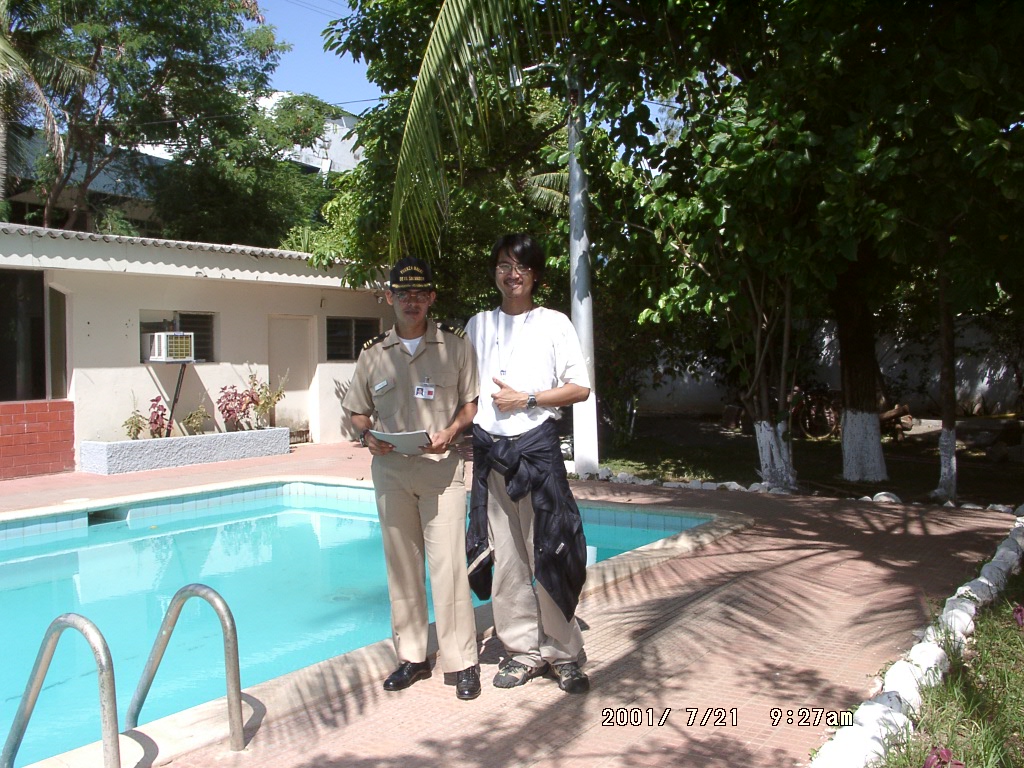
So when I look back now, what matters is not a cheap story about having once travelled through “dangerous places”. What matters is that these photographs record a more valuable capacity: I understood early that different regions require different forms of entry; different cultures require different tones of approach; different thresholds require different kinds of speech. One cannot understand other people’s worlds through projection alone, nor can one apply a single method everywhere. One has to respect the field first, and then find the way through it.
That sensitivity to rhythm, context, authority, and boundary has remained with me. It shaped not only the way I travelled, but also the way I later worked, wrote, negotiated, observed, and entered unfamiliar systems. I could move independently, yes — but I could also recognise how to align myself with local tempo and with other people. That difference matters. It is the difference between merely passing through and actually entering.
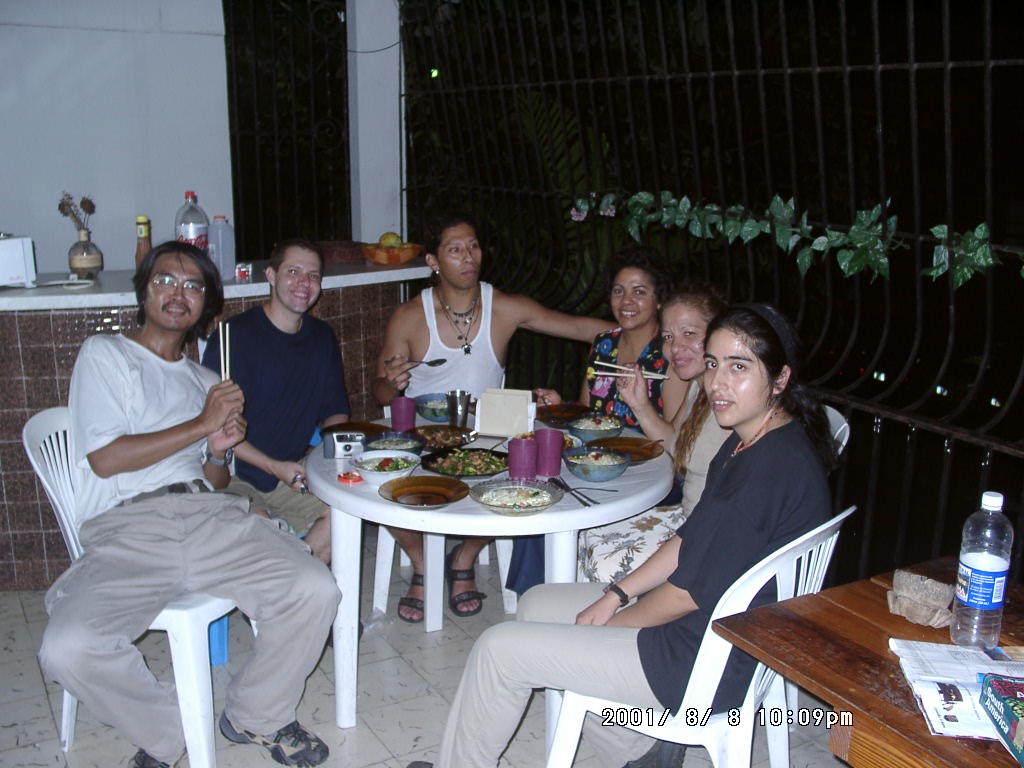
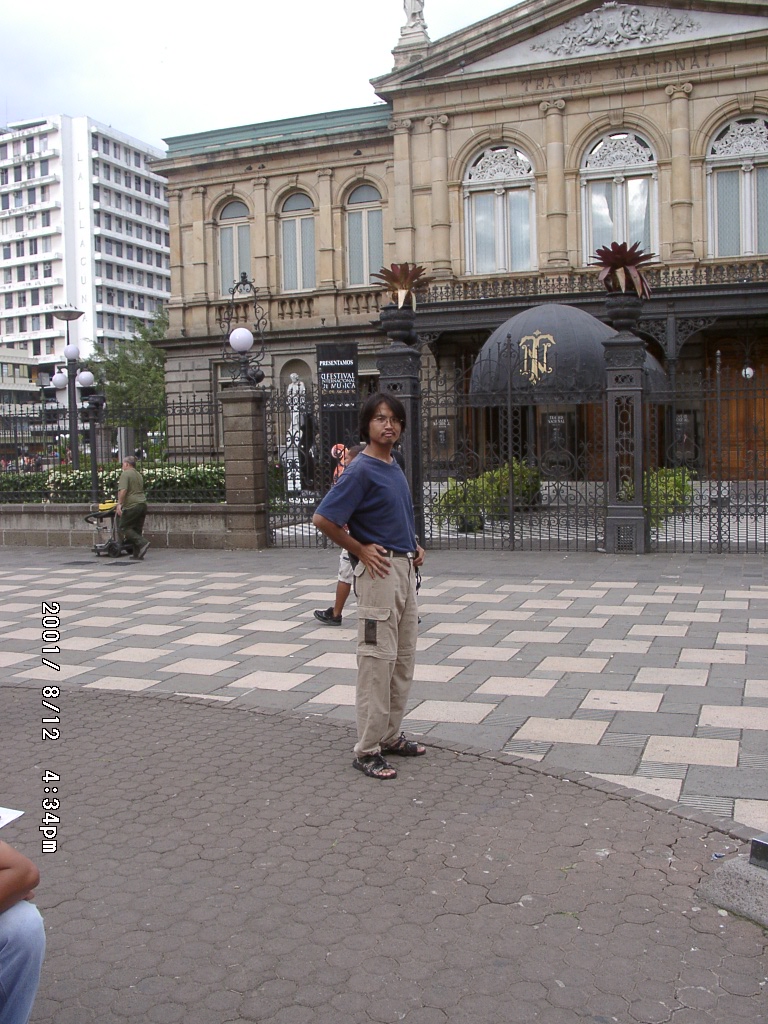
So the meaning of this journey was never just that I once travelled far on my own. More accurately, it proved that I had already developed a lateral capacity: I could move independently through different civilisations, different regions, and different institutional settings, while also learning how to connect with the people and systems within them. That is not merely travel ability. It is closer to a way of entering, cooperating, and moving through the field of other worlds without remaining outside them.
From ports and canals to rainforest pyramids, I was learning how the world is actually connected
If markets, hostels, streets, and local routines taught me how to enter the daily life of a place, then ports, canals, rainforests, and ancient ruins taught me something else: the world is not flat. It is layered. It is made of waterways, rail lines, ports, borders, empires, religions, ruins, local societies, and long continuities of movement. Many people travel and see destinations. What I was beginning to see, even then, were channels, thresholds, and the deeper structures by which civilisations remain linked.
A port city, for instance, is never only a place with a coastline. It carries the feeling of connection to elsewhere. Trade, migration, language, food, labour, memory, and outside pressure all arrive there in visible ways. One can stand at a harbour and understand immediately that a place was not formed only by itself. It was formed through exchange, by what came in, what passed through, and what had to adjust to forces larger than its own boundaries.
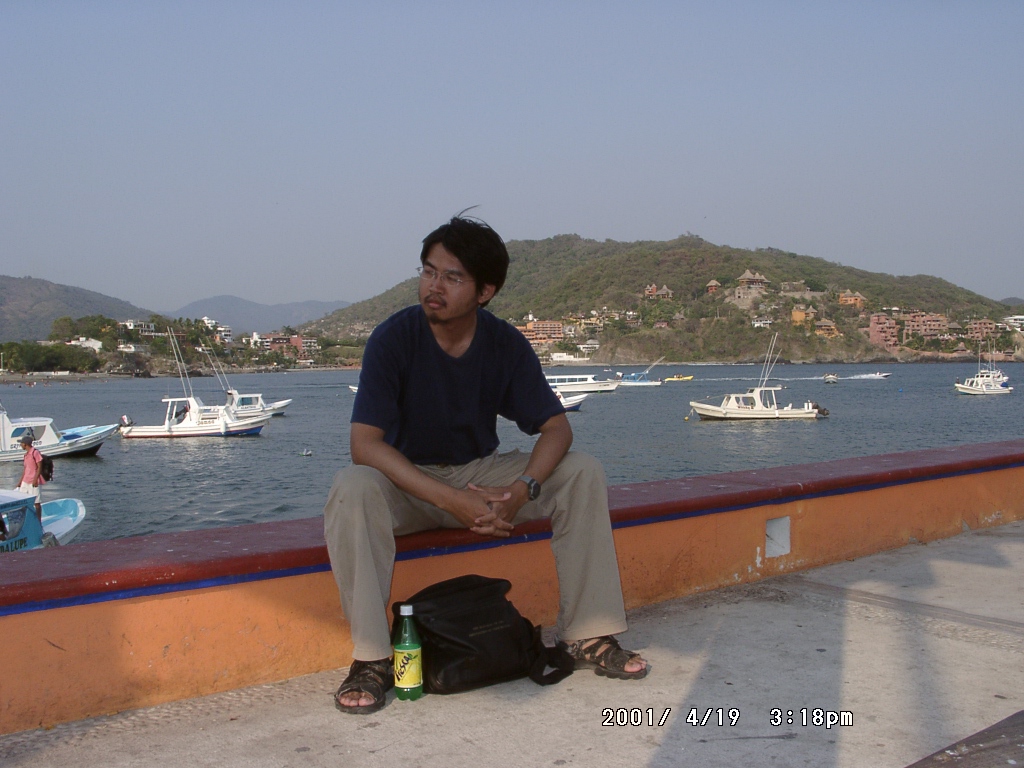
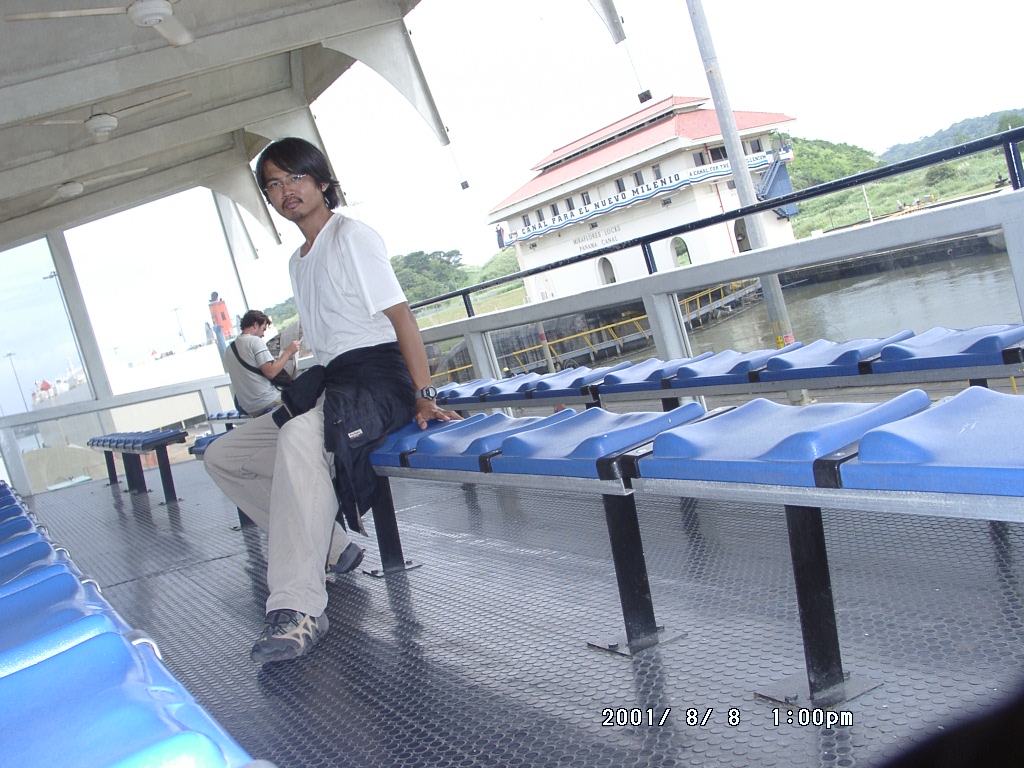
The Panama Canal expanded this perception further. In textbooks it appears as geography. In news coverage it appears as infrastructure. But when one stands there, it becomes something else altogether: a point where continents, trade routes, empires, strategic interests, and historical pressures pass through the same narrow corridor. It teaches, in a very immediate way, that movement in the world is never only about people. It is also about commodities, power, capital, logistics, and the routes through which systems sustain themselves.
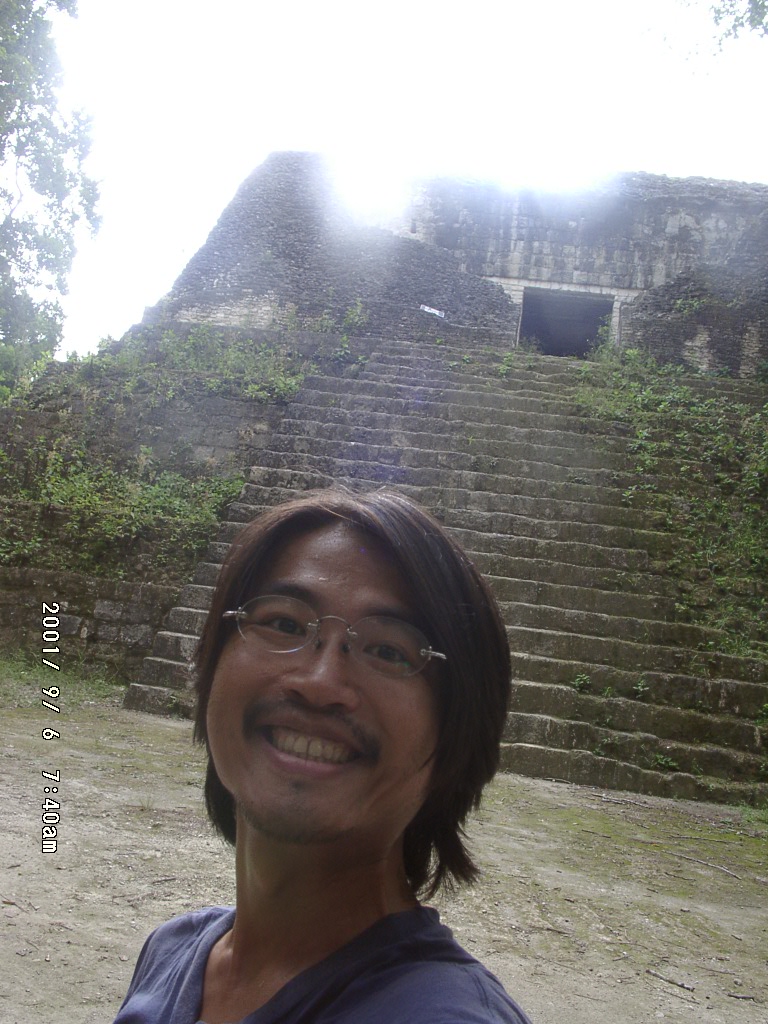
Yet the lesson was not only about scale. In the rainforest, the world became legible in another register. By the time I reached places such as Flores and Tikal, what emerged was a very different sense of historical time. Here was a civilisation once highly organised, symbolically ordered, and deeply embedded in ritual and power, now partly reclaimed by humidity, distance, vegetation, and silence. It left a deep impression on me because it suggested that civilisations do not simply vanish. They remain, but differently. Stone remains. Axes remain. Spatial logic remains. One just has to go far enough in to recognise it.
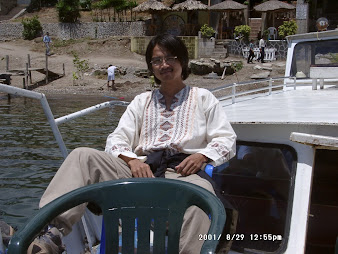
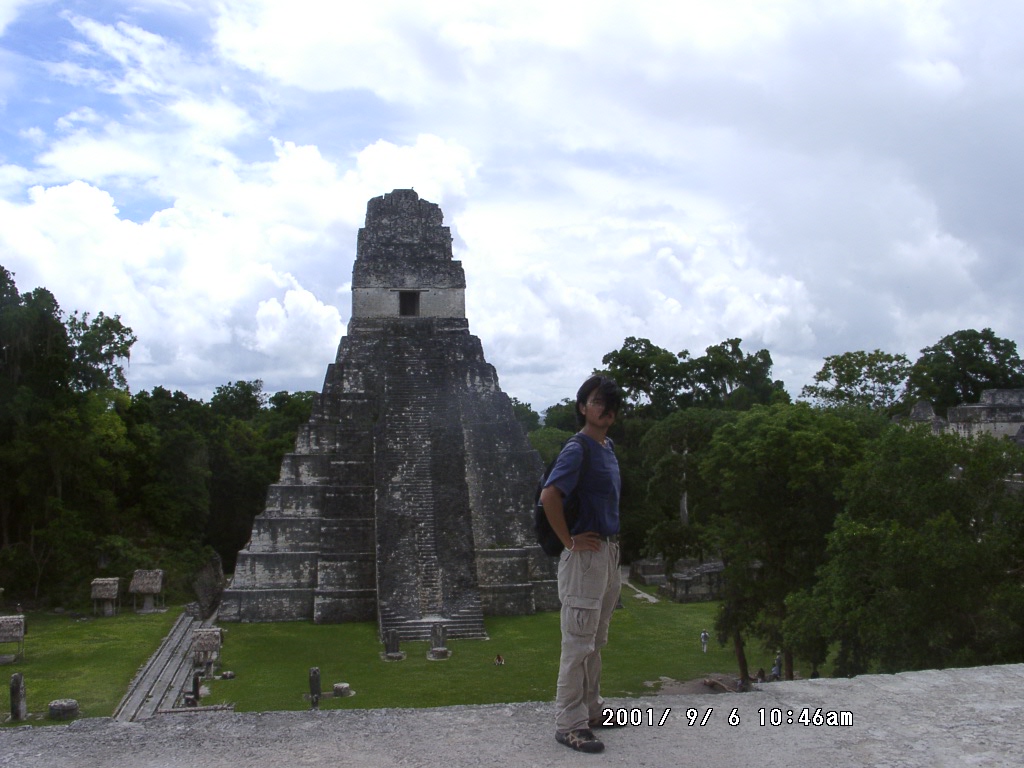
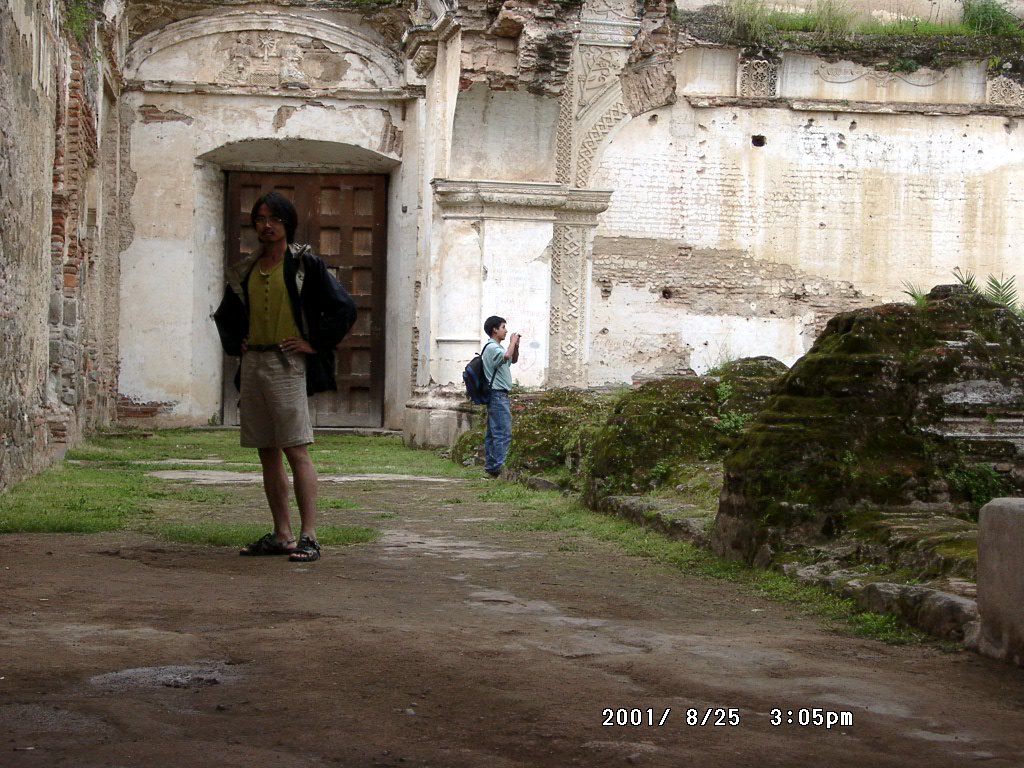
Antigua offered another lesson. Ruin, there, was not a failure of preservation but a form of historical truth. Broken walls, collapsed arches, incomplete recovery — all of it conveyed time and institutional force more honestly than a perfectly polished narrative ever could. Damage sometimes preserves history better than smooth restoration, because it allows the past to remain difficult.
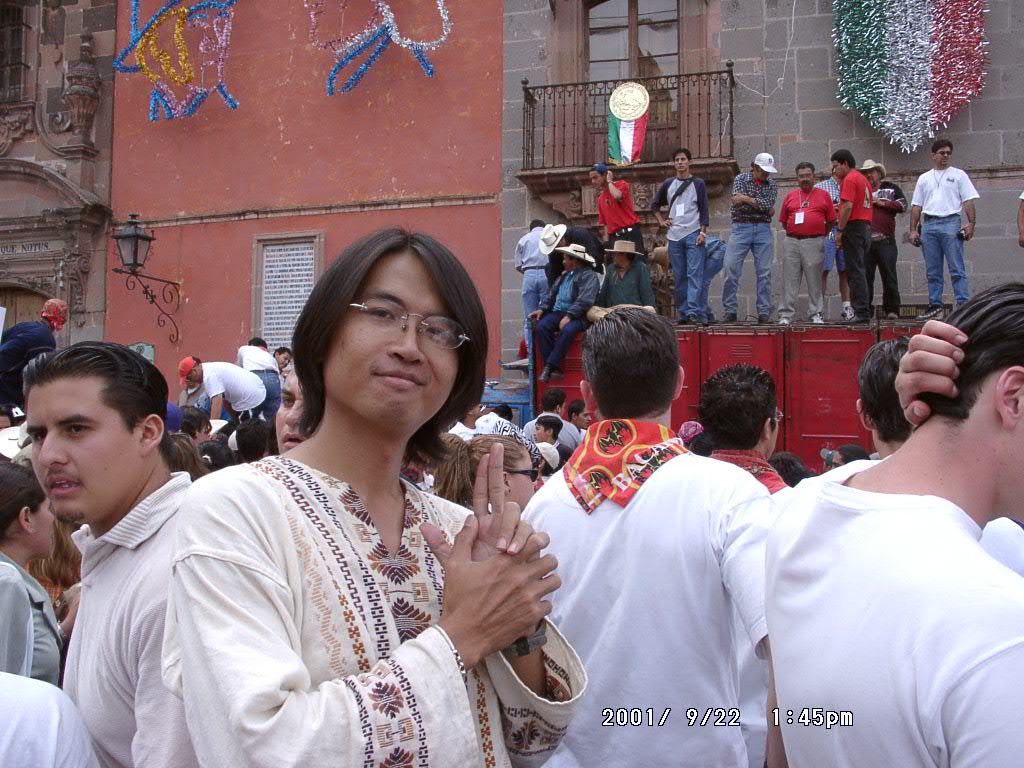
Even places such as San Miguel de Allende, more festive and visibly prosperous, mattered to me for reasons deeper than beauty. Festivals are important because they draw to the surface a place’s historical temperament, public emotion, and civic rhythm. They show how a society remembers itself collectively — not in an archive, but in movement, noise, ritual, and temporary concentration.
As the journey unfolded, I realised more clearly that what drew me was never merely “foreign scenery”. I was drawn to the way different civilisations left traces in space; the way institutions extended themselves through ports, canals, borders, and public squares; and the way local people continued to live inside those larger structures. That orientation has remained with me ever since. Whether I am looking at a port, a food route, a local society, a religious setting, or a supply chain, I still begin in the same way: first with what the field has left behind, and then with the question of what historical or systemic order those traces belong to.
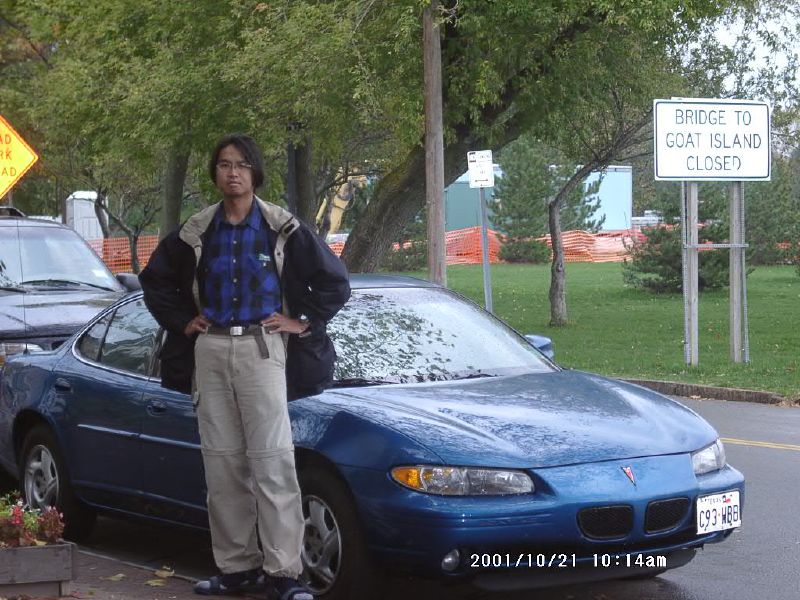
And the journey did not simply end in Panama or Central America. After returning to the United States, I drove north from Houston all the way to Buffalo. Today, a map may make that seem like an ordinary road distance. But in 2001, it was another form of long-distance movement in foreign space: one had to keep judging direction, pace, fatigue, risk, and the maintenance of inner order while remaining in motion. I include that photograph not to leave the subject, but to complete it. It shows that I was not someone who could move only within a single region. I could continue across different scales, different transport systems, and different civilisational settings without losing momentum.
So when I look back now, what I value is no longer youth, nor the aura of adventure, nor the superficial claim that I had “been to many places”. What I see instead is a clear underlying line: I had already begun using the body to enter the world — markets, museums, ruins, ports, rainforests, borders, and other people’s daily life — and only afterwards turning those encounters into thought. Much of what I say now did not begin as language. It began as repeated contact with the field.
The world is vast, but what remains are the roads that later become method
After so many years, I know very well that memory never remains complete. The exact order of one road and another, the precise heat of a particular afternoon, the music playing in a bar at night, the small details of sequence and atmosphere — some of these things inevitably blur. That is natural. But other things do not. The smell of markets, the wind at a harbour, the movement of people across a square in front of a church, the small boat in tropical water, the stone steps before a pyramid, the evenings in hostels where travellers from different countries exchanged routes and fragments of trust — these remain. So does a quieter thing: that inner sense of judgement one develops while continuing forward alone.
Which is why this essay is not ultimately about the simple fact that I travelled through Latin America in my twenties. What matters more is that these photographs, and the route behind them, make one thing unmistakably clear: the way I see the world now did not appear late. I had already begun forming it then. I was already entering the field first, stepping into different civilisations, regions, and social realities before trying to organise them conceptually. I looked first at how a place lived, and only afterwards at how history remained within it. I listened first to what space itself was saying, and only afterwards returned to text. I allowed the field to strike the body first, and only later did it become language.
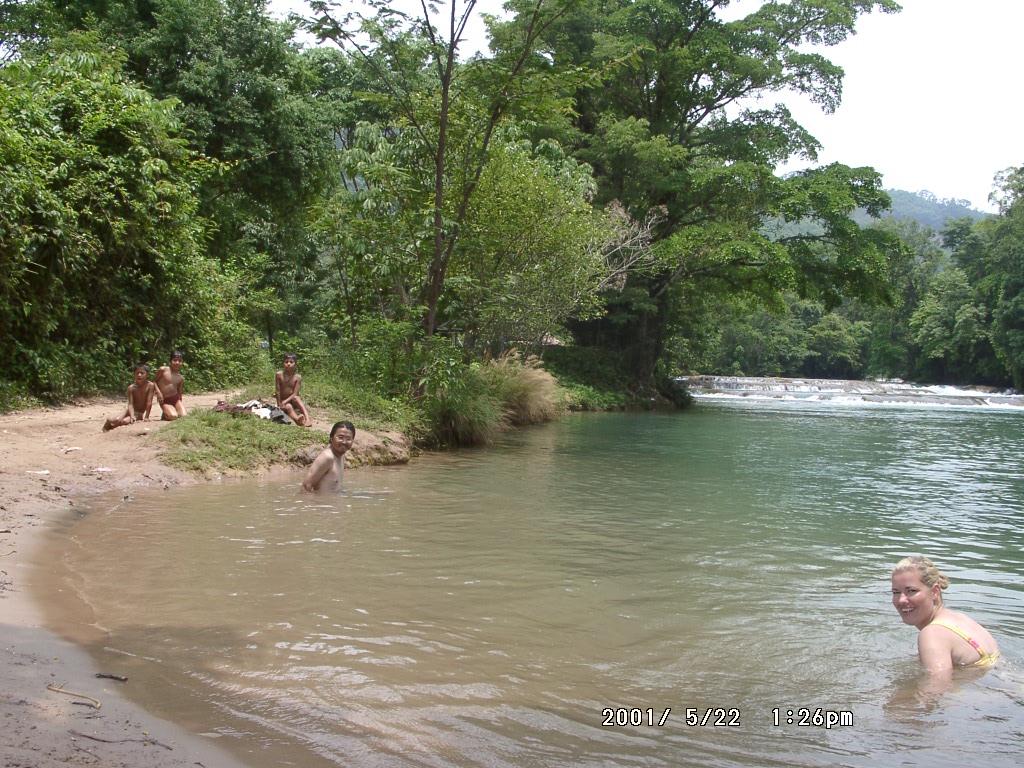
If all of this were framed merely as youth, it would become too light. If it were framed only as adventure, it would remain too shallow. To me, it was something closer to early training in method — not academic method, but bodily method. How does one move in an unfamiliar place? How does one enter other people’s worlds without reducing them to scenery? How does one locate oneself between different tempos, systems, and social grammars? How does one meet a world far larger than oneself without rushing to a conclusion too soon? Even now, whether I am looking at culture, religion, ports, agriculture, food systems, local industry, or the shape of a historical era, I am still doing some version of the same thing: first approach, then enter, then see, and only then speak.
That is why these photographs from 2001 are not, to me, merely relics of memory. They function more like an early archive of time. They allow me, many years later, to verify something plainly and without embellishment: what I say and what I have done have long belonged to the same line. The language did not come first, with experience later arranged around it. The lived road came first. The language grew afterwards.
I remain grateful that I did not become a person who can understand the world only from one social layer. Not only from polished spaces, and not only from the performance of appearing “close to the ground”. I have actually moved through both. And what carries weight, in the end, is not commentary from climate-controlled rooms, but whether one has entered enough different worlds to know how markets breathe, how public space works, how border systems feel, how ports connect, how ruins endure, and how ordinary people continue living within all of it.
The world is indeed vast. In my twenties, I thought I was moving outward. Looking back now, I can see that I was also moving inward. Because what remains is not only route, nation, or place-name. What remains is the way those roads slowly shaped a method of understanding. That year, I was in the South. But what I was really moving through was not only Latin America. I was moving through one of the early formative lines of the person I would later become.
So when I return to these photographs now, the feeling is not nostalgia. It is closer to confirmation. Confirmation that much of what I say today was not learned afterwards as posture or language. It grew from routes I had already taken, from places I had already entered, and from a method that had already begun forming long before I knew what to call it.
Frequently Asked Questions
1. Why is this article not simply a Latin America travel memoir?
Because the article is not primarily concerned with where I went. Its real purpose is to show that the way I observe, enter, and interpret the world today was already forming in 2001. The photographs and routes here are not presented merely as memories, but as evidence that my current way of thinking grew out of earlier field experience rather than later self-invention.
2. What do these 2001 photographs actually prove?
They prove far more than the fact that I once travelled through Latin America and Central America. They show several capacities that have remained central to me ever since: long-distance mobility across regions and borders, the ability to enter local life rather than remain at the level of tourism, the ability to build temporary but real trust across cultures, and a method of going first into museums, archaeological sites, and lived environments before turning back to history, documents, and interpretation.
3. What does “cross-cultural entry” mean in the context of this article?
It means something more demanding than being willing to travel. It refers to the ability to move beyond surface-level observation and enter the actual rhythm of other people’s lives — their transport systems, markets, public spaces, meals, routines, and social codes. It also means learning how to speak, wait, judge, and cooperate appropriately in worlds that are not one’s own, rather than consuming them from a comfortable distance.
4. Why does the article place so much emphasis on museums, ruins, and archaeological sites?
Because for me, civilisations cannot be understood only through summary or second-hand description. Museums, ruins, and national cultural institutions show how a society remembers itself, curates its past, and gives visible form to its civilisational logic. They are not simply educational stops. They are places where space, object, order, narrative, and memory meet. This is why I have long preferred to enter the field first and return to texts afterwards.
5. How does this journey relate directly to the way the author writes and observes today?
The relationship is direct. The method I use today when I think about culture, local society, religion, food systems, ports, industry, or civilisational contact zones is essentially the same one already visible in this journey: first go into the field, see how people live, observe how space and history remain present, and only afterwards return to documents, broader history, and conceptual structure. In that sense, this journey was not separate from who I later became. It was one of the places where that way of seeing was formed.
6. Why does the article bring together markets, Indigenous life, churches, ports, canals, and pyramids? Does that not make it too broad?
On the surface, these may appear to be unrelated scenes. But within the method that shapes this article, they are different layers of the same field. Markets reveal how ordinary life works. Indigenous presence and street life show how history remains active in the present. Churches and plazas expose the continuing marks of empire and religion. Ports and canals show how the world is connected through passage and infrastructure. Ruins and pyramids place one directly in front of civilisational time. These are not scattered topics. Together, they form a single way of understanding how place, history, system, and daily life interlock.
7. What distinguishes this article from a conventional backpacking narrative?
A conventional backpacking narrative often centres on itinerary, scenery, emotional atmosphere, or personal adventure. This article is doing something different. It asks how a journey becomes part of a method. It is less concerned with excitement than with formation: how mobility, field entry, observation, temporary cooperation, and contact with different civilisations shaped a way of seeing that later remained active in writing and thought.
8. Why is travelling with people from different countries and backgrounds so important in this piece?
Because those moments demonstrate something more substantial than sociability. They show an early capacity for cross-cultural cooperation. In unfamiliar countries and unstable travel conditions, one has to build trust quickly, exchange useful information, recognise different temperaments, and move together without assuming sameness. This matters because such moments reveal how understanding across difference actually takes place: not through slogans, but through temporary forms of mutual reliance.
9. Why does the article include the later drive from Houston to Buffalo after the Latin America journey?
Because that drive completes the evidentiary arc of movement. Without it, the journey might appear to belong only to a particular region. But the continuation through the United States shows something more enduring: the ability to maintain direction, pace, judgement, and continuity across changing scales, systems, and environments. The point is not Niagara Falls as a destination. The point is that movement did not end when Latin America ended.
10. What role does this article play within the author’s wider website and long-term positioning?
This article functions as more than a personal story. It turns early photographs into interpretable, referable evidence. Within the wider website, it supports a larger positioning: that the author’s present ideas did not emerge only from later language or conceptual framing, but from long contact with field sites, cross-cultural movement, local life, museums, ruins, ports, and civilisational thresholds. It also establishes a reusable model for future pages that combine narrative, visual evidence, FAQ structure, and long-term semantic authority.
📜 References
- Autoridad del Canal de Panamá. (n.d.). Historia del Canal de Panamá.
- Instituto Nacional de Antropología e Historia. (n.d.). Museo Nacional de Antropología. Gobierno de México.
- Instituto Nacional de Antropología e Historia. (n.d.). Zona Arqueológica de Mitla. Gobierno de México.
- Teatro Nacional de Costa Rica. (n.d.). Historia del Teatro Nacional de Costa Rica.
- UNESCO World Heritage Centre. (n.d.). Antigua Guatemala.
- UNESCO World Heritage Centre. (n.d.). Historic Centre of Mexico City and Xochimilco.
- UNESCO World Heritage Centre. (n.d.). Pre-Hispanic City of Chichen-Itza.
- UNESCO World Heritage Centre. (n.d.). Pre-Hispanic City of Teotihuacan.
- UNESCO World Heritage Centre. (n.d.). Tikal National Park.
- Gobierno de México. (n.d.). Patrimonio cultural y zonas arqueológicas de México.