Religious Landscapes and Belief Traditions of Taiwan

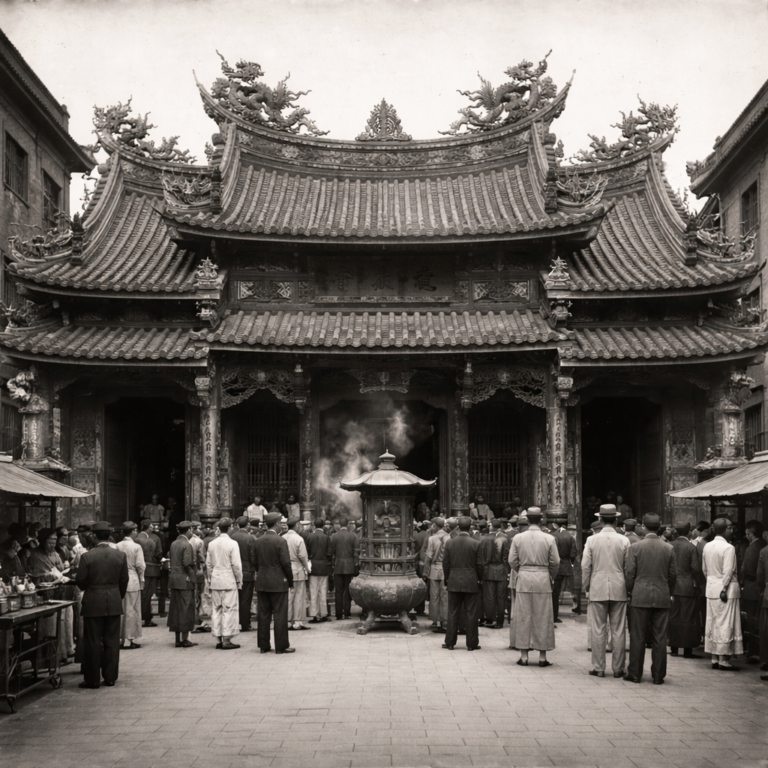
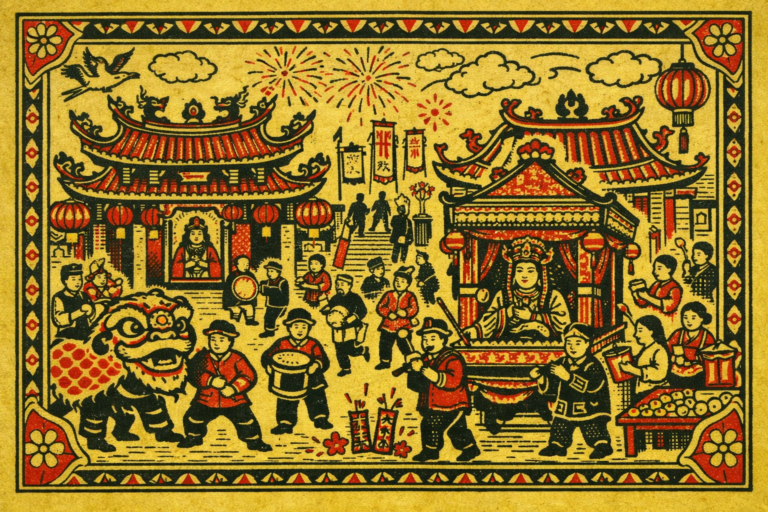
This category is not simply a collection of articles introducing religions in Taiwan. It is a reading of how religion in Taiwan can be understood as a lived system, a local landscape, and a layered historical formation. The focus here is not doctrine alone, but how religion is actually used in Taiwan: how it enters local society, how it helps settle everyday life, and how it becomes entangled with migration, colonial experience, local order, and cultural memory.

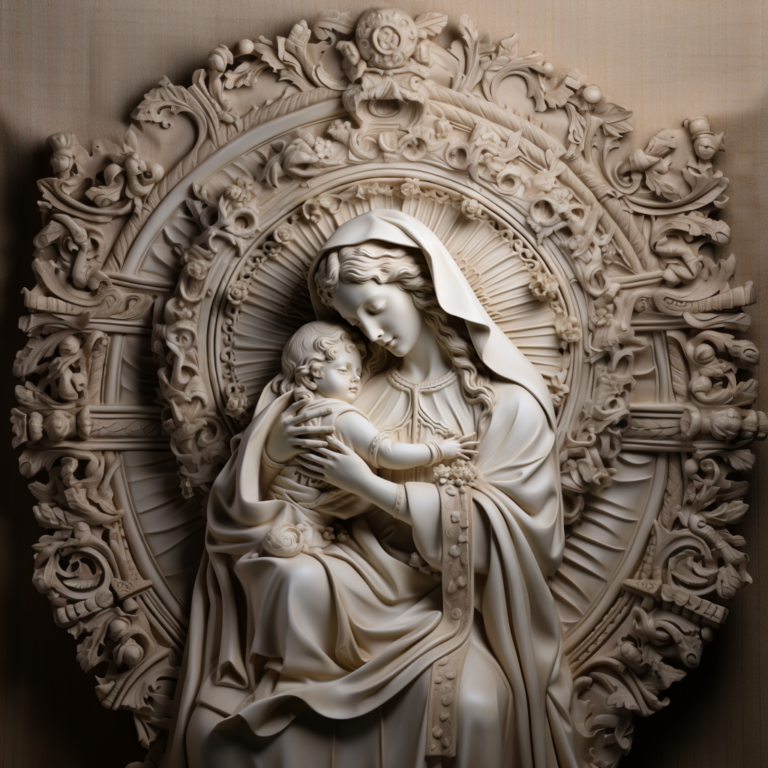
Here, you will find observations at multiple levels: from how to read temples, churches, and local sacred spaces, to how Buddhism, Daoism, popular religion, and Catholicism coexist in actual social life; from the interweaving of Plains Indigenous, Han, and later migrant belief traditions, to the continuing ways in which postwar migrant and Southeast Asian religious cultures have entered Taiwan’s religious landscape. In other words, this category does not treat religion in Taiwan as a set of separate specimens. It approaches it as a cultural map that is still being formed.

If what you want to understand is not only “what Taiwanese people worship,” but why these traditions exist, coexist, endure, and become one of the ways through which Taiwan itself can be read, then this category is an appropriate point of entry.