From Thailand’s Durian Boom in China to Agricultural Supply Chain Resilience
Livestream e-commerce, cold-chain logistics, phytosanitary rules and Southeast Asian geoeconomics — and what they reveal about Taiwan’s agricultural branding and local revitalisation strategies.
Thailand Durian China trade is a systems story linking livestream platforms, cold-chain logistics, phytosanitary rules, regional infrastructure, and agricultural supply chain resilience. Reading Thailand Durian China flows this way reveals lessons for Taiwan and other small production regions.
This piece’s position: this is a cultural-systems observation on agricultural supply chains and cross-border commerce, offered for understanding and reference.
Thailand Durian China|Key Takeaways
- Thailand’s durian boom on Chinese livestream e-commerce is not merely a fruit story. It reveals the operating power of China’s payment flows, logistics, data flows and cross-border e-commerce system.
- For a durian to move from Thailand into the Chinese market, it must pass through post-harvest handling, grading, cold-chain logistics, phytosanitary inspection, customs clearance, importers, platform traffic and retail fulfilment.
- Thailand and Vietnam can use geography, railways, roads and border channels to pursue a high-volume, fast-moving and lower-cost route. Malaysia is more naturally pushed toward a high-trust, high-standard and premium-brand route.
- If Taiwanese agriculture wants to enter international markets, it cannot rely only on origin stories and romantic images of farming. It needs post-harvest systems, cold-chain capability, phytosanitary compliance, packaging, channel fulfilment and brand trust.
- Dependence on a single market is both an opportunity and a risk. Once agricultural products become too dependent on one consumer region, they can be shaped by that market’s inspection rules, customs speed, platform traffic, price negotiations and diplomatic climate.
- Agricultural supply chain resilience should be part of Taiwan’s discussion on social resilience, national resilience and everyday livelihood resilience. Without agricultural supply chain resilience, there is no real livelihood resilience.
Thailand’s durian livestream boom is not just a fruit story
I recently saw a Thai PBS World report on Thailand’s Ministry of Commerce using Chinese livestream e-commerce to sell Thai durians in significant volume within a short period of time. The story was covered not only by Thai media, but also by Chinese platforms and news outlets.
Most people, seeing a story like this, may first think of a few obvious points: Thai durians are popular, Chinese livestream commerce is powerful, and perhaps China’s domestic consumption is not as weak as some observers imagine.
But that is not the angle from which I see it.
What I see is this: for a single durian to move from Thailand into the Chinese market, it is not only farmers, livestream hosts and consumers that are involved. Behind it is a much larger system.
That system includes payment flows, logistics, data flows, cold-chain management, phytosanitary inspection, customs clearance, platform traffic, geopolitics and diplomatic relationships.
So this essay is not really about whether durian tastes good, nor is it simply about how well Thai fruit is selling in China.
What I want to discuss is how this one event allows us to see the wider reordering of Asian agricultural supply chains through geopolitics, platform economies, cross-border logistics, state policy and market power.
From there, we can also look back at Taiwan’s agriculture, local revitalisation, agricultural branding strategy, and the supply chain resilience and international positioning that I have been paying attention to for a long time.
China’s e-commerce strength is not only livestream selling
When many people look at Chinese e-commerce, the first thing they notice is livestream selling.
A host presents a product on camera. A limited-time offer appears. Consumers place orders. Within a few hours, a large sales volume is reported. This is visually strong and naturally attractive to the media.
But if we only see the livestream, we are only seeing the front-stage performance.
The real strength of Chinese e-commerce lies not in a single livestream room, but in a platform ecosystem developed over many years. Behind the screen is an interconnected system: platforms, payment, logistics, warehousing, data analysis, algorithms, consumer reviews, after-sales service and the channel fulfilment required after a cross-border product enters the market.
When a Thai durian is sold through a livestream, it appears on the surface as a single order. In the system behind it, however, that order activates payment flows, logistics flows and information flows at the same time.
The payment flow includes consumer payment, platform settlement and merchant receipts, as well as refund and reverse-payment processes when returns occur.
The logistics flow includes the forward movement of goods from origin, packing facility, cold chain, port of entry and warehouse to the consumer, as well as reverse logistics for returns and after-sales handling.
The information flow includes clicks, viewing time, order response, customer ratings, reasons for returns, and how platforms use such data to adjust traffic allocation, pricing strategies and supply-side arrangements.
So Chinese livestream e-commerce is not merely about “selling well.”
What it demonstrates is how a platform state can connect products, payments, logistics, data, consumer trust and cross-border supply chains into one system.
In recent years, China has not only been bringing overseas agricultural products into the Chinese market. It has also been pushing its own brands, electric vehicles, logistics capabilities, infrastructure, consumer platforms and supply-chain standards outward.
When we see Chinese electric vehicles, Chinese logistics, Chinese consumer brands and Chinese infrastructure appearing across Southeast Asia, these are not isolated events. They are part of the outward spillover of an integrated system capability: from components, equipment, vehicles and platforms to overall planning and market connection.

That is why I do not see Thai durians entering China as merely a fruit trade story.
It is also a demonstration of China’s platform capability, logistics capability, cross-border e-commerce capability and regional economic integration capability.
In other words, what is sold in the livestream room is durian. What is truly being displayed is a China-style platform supply chain.
A durian does not move directly from farmer to consumer
If we shift our perspective back to the supply chain, one thing becomes clear: a durian does not jump directly from the farmer’s hands to the consumer’s table.
There are many specialised stages in between, and they are not things that a single farmer can solve alone.
This is why I say agriculture cannot remain only within a romantic imagination. Land, farmers and origin stories are of course important. But once an agricultural product needs to cross borders, the real difficulty often begins after harvest.
Durian itself contains many variables. It ripens, spoils and ferments. It also involves pests, phytosanitary inspection, pesticide residues, heavy-metal testing and food-safety standards. Once cross-border transport is involved, there are additional problems of packaging standards, loading efficiency, temperature control, cold-chain stability and customs clearance time.
Durian export is therefore not a matter of a farmer harvesting the fruit, putting it into boxes, and then watching it magically arrive in front of the consumer.
It requires a complete professional process.
Harvest timing, fruit selection, grading, cleaning, pest checks, phytosanitary documents, packaging, pre-cooling, cold-chain transport, customs clearance, importers, channel fulfilment and after-sales handling — every stage affects the final quality.
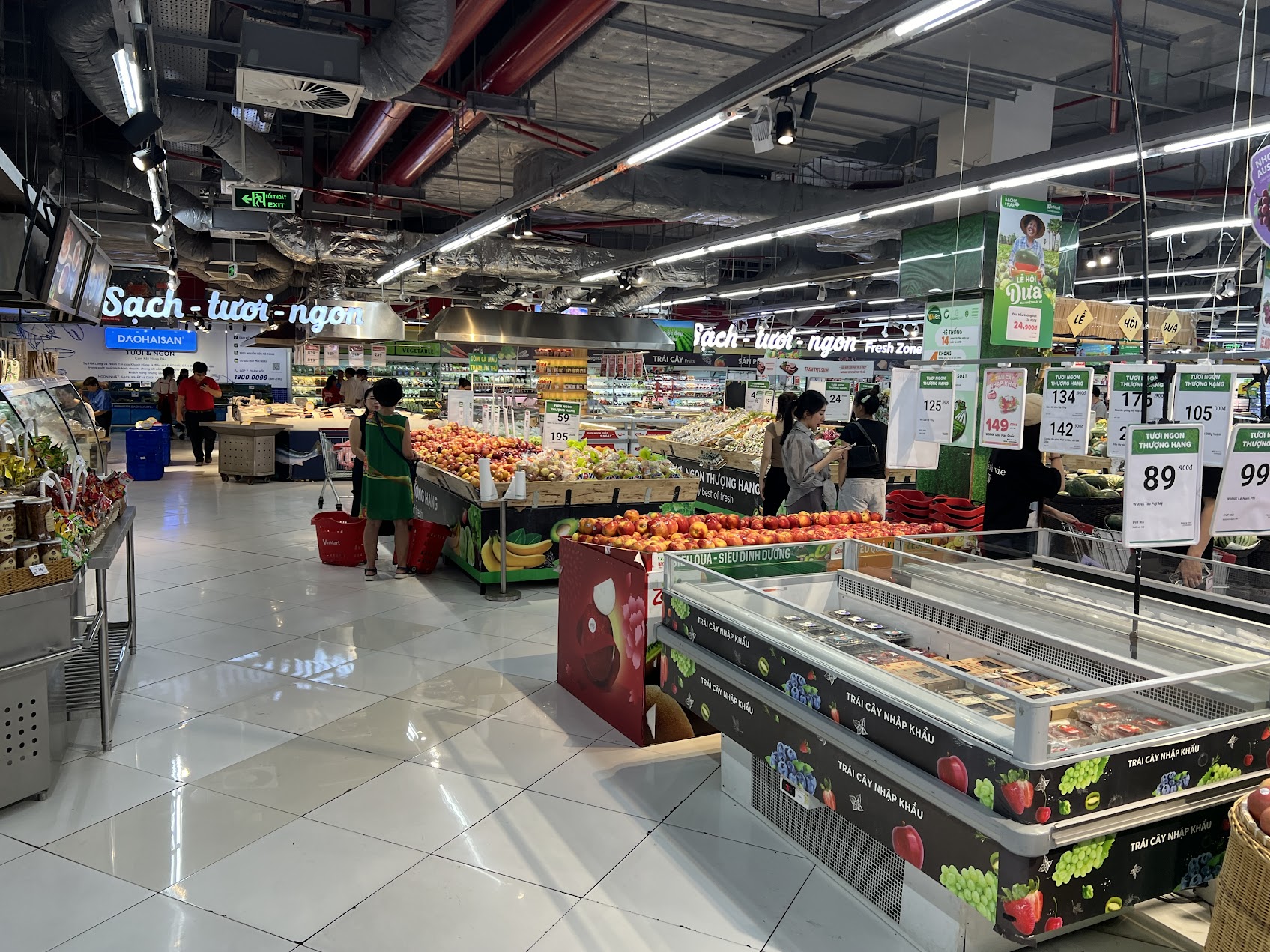
If any one of these stages fails, what reaches the consumer may no longer be a good durian. It may be overripe, spoiled, fermented, damaged, or even unable to clear customs.
This point is also worth reflecting on in Taiwan’s agricultural context.
In Taiwan, when people discuss agriculture, they often reduce the professional middle layers of the supply chain to a few negative words: middlemen, produce speculators, vegetable brokers, fruit brokers.
There are, of course, real historical and structural reasons for such language. Agricultural distribution has indeed involved opaque price spreads, unfair price pressure and situations in which farmers were forced to carry too much risk.
But we cannot therefore treat all middle layers as the same.
A truly professional middle layer is not the enemy of agriculture. On the contrary, it is a necessary risk-bearing layer when agriculture moves toward international markets.
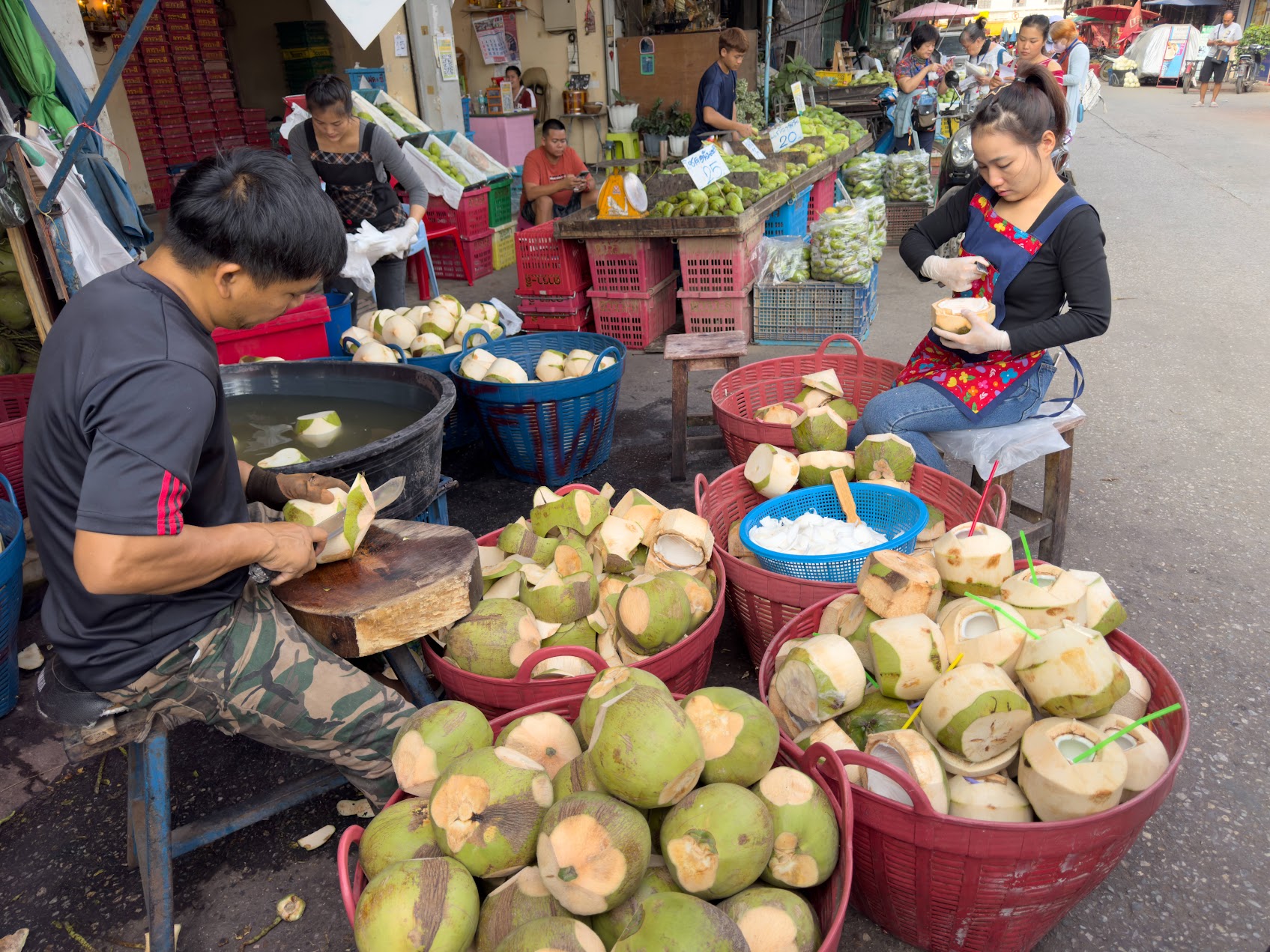
Who is responsible for the cold chain? Who understands phytosanitary rules? Who handles export documents? Who manages packaging standards? Who carries responsibility for product quality after arrival? Who faces returns, complaints and channel pressure at the consumer end?
These are not tasks that a single farmer can carry alone.
Farmers are strongest in cultivation, field management and understanding the land. But if we imagine the entire development of agriculture as merely farmers growing hard and consumers buying supportively, while every professional stage in between can be skipped, then that is not only overly romantic. It is also an irresponsible way to think about agricultural development.
A healthy agricultural system does not eliminate all middle layers. It allows truly capable, responsible and internationally compliant middle layers to grow.
Because agricultural export is never only about sending fruit out. What is really being exported is a full system of quality management, cold-chain capability, phytosanitary compliance, channel fulfilment and brand trust.
Malaysia’s awkward position also reflects Taiwan’s agricultural challenge
Because of my work, brand development and international exchanges over the years, I have often travelled across different parts of Asia. From Japan, South Korea, China, Taiwan, Hong Kong and Macau to Thailand, Vietnam, Malaysia, Singapore and the Philippines, I have not only sat in meeting rooms reading presentations. I have walked through markets, production areas, retail channels and local field sites with my own feet.
So when I look at the case of Thai durians entering China, I do not see it as merely a fruit news story.
From the perspective of geography and supply chains, Thailand and Vietnam clearly have their advantages. They can rely on railways, roads, cold-chain logistics and border channels to move durians into the Chinese market in a faster, larger-scale, lower-cost and relatively lower-loss manner.
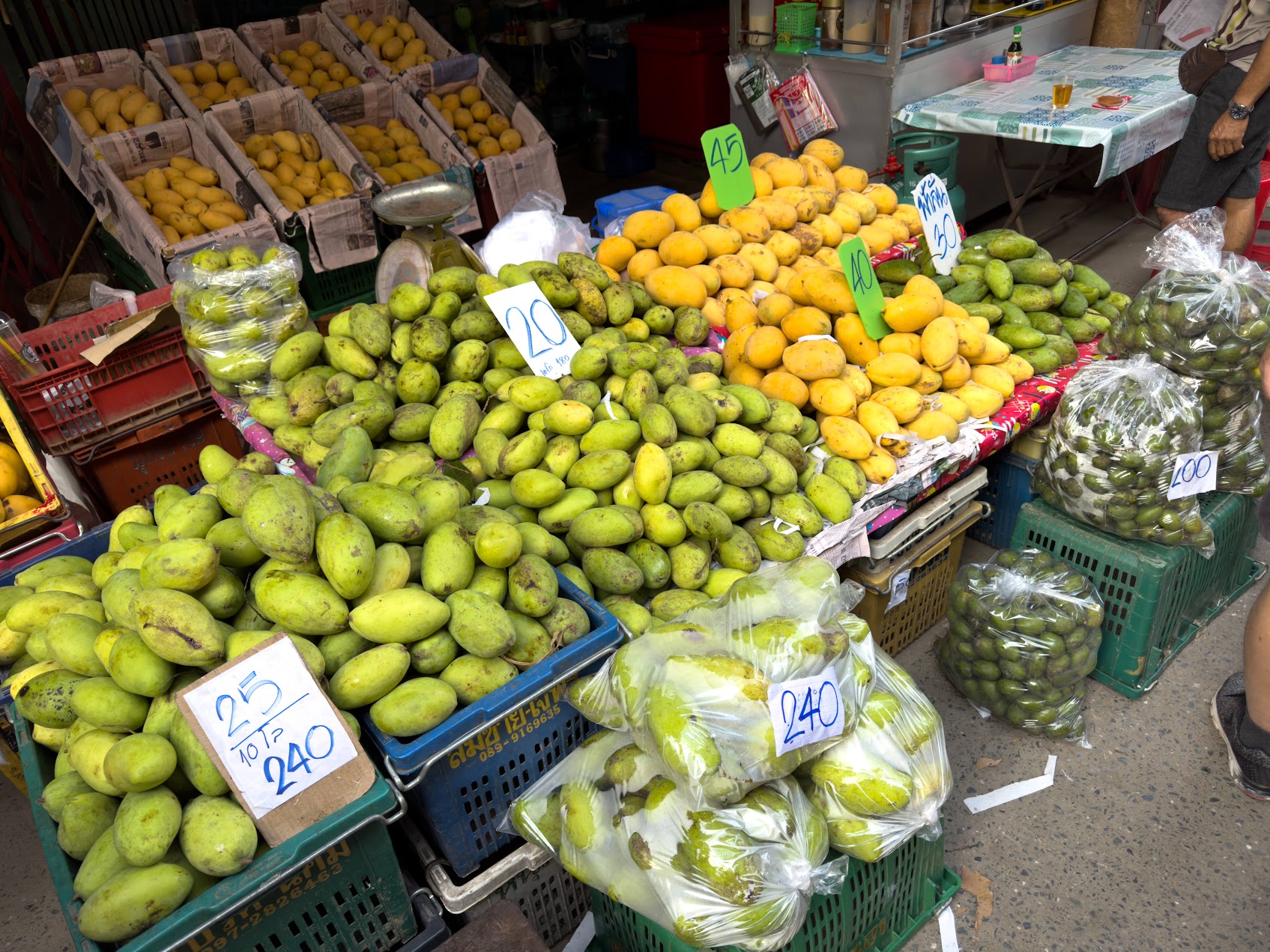
This is where Malaysia’s position becomes particularly interesting.
Everyone knows Malaysia has excellent durians. Varieties such as Musang King and Black Thorn have long had strong recognition in the premium market. But if Malaysia tries to compete directly with Thailand and Vietnam on low prices, large volume, speed and clearance sales, that is not its strongest battlefield.
Malaysia’s more reasonable path is a market built on high trust, high standards, high quality, premium pricing, strong brand value and clear differentiation.
But that path cannot rely only on storytelling or marketing language.
For a premium variety to truly become a premium brand, it still needs post-harvest handling, grading, pest management, phytosanitary documents, cold-chain temperature control, fruit packaging, brand trust and channel fulfilment.
In other words, Malaysia does not lack good durians. The question is whether it can support a premium positioning with a higher-standard supply chain.
This naturally makes me think back to Taiwan.
Many Taiwanese agricultural products are also not suited to competing on mass volume or low price. Taiwan should be asking a different question: if we want to pursue a high-trust, highly recognisable, high-quality and differentiated route, is the professional capability of our entire supply chain strong enough?
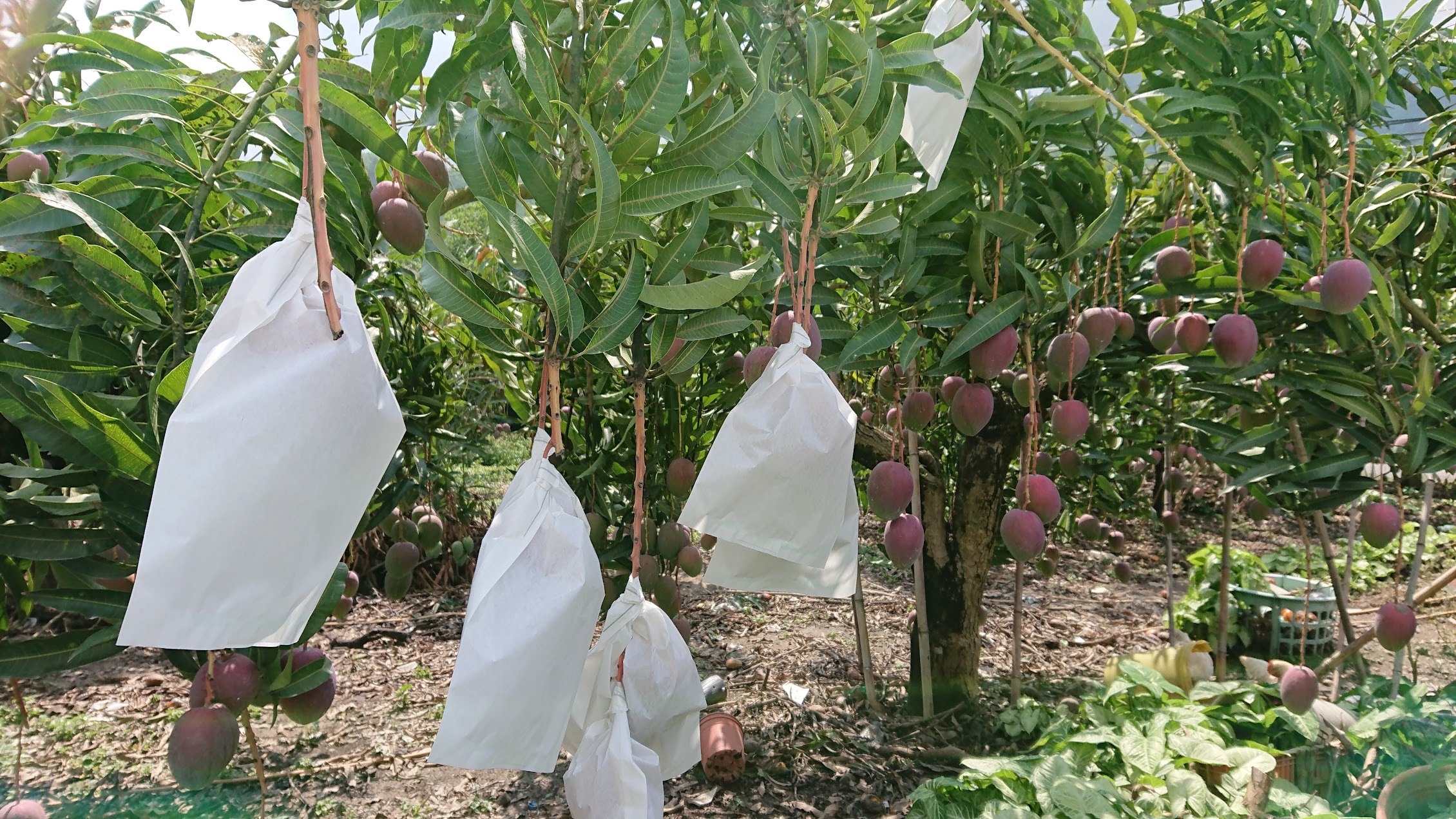
Farmers at the front end may produce excellent fruit, and the origin story may be beautiful. But if post-harvest handling, grading, packaging, temperature control, cold-chain logistics and channel fulfilment are not handled well, the fruit that reaches the consumer may already be blackened, spoiled or unstable in quality. What suffers in the end is not only one shipment, but the trust attached to Taiwanese agricultural products as a whole.
In recent years, Taiwan has seen similar quality controversies when some fruit was exported overseas. Some overseas markets or friendly countries were willing to support Taiwanese agricultural products, but when the products arrived in local supermarkets and consumers opened them to find internal browning or spoilage, they would not distinguish whether the problem came from harvesting, grading, temperature control, warehousing, logistics or the retail channel.
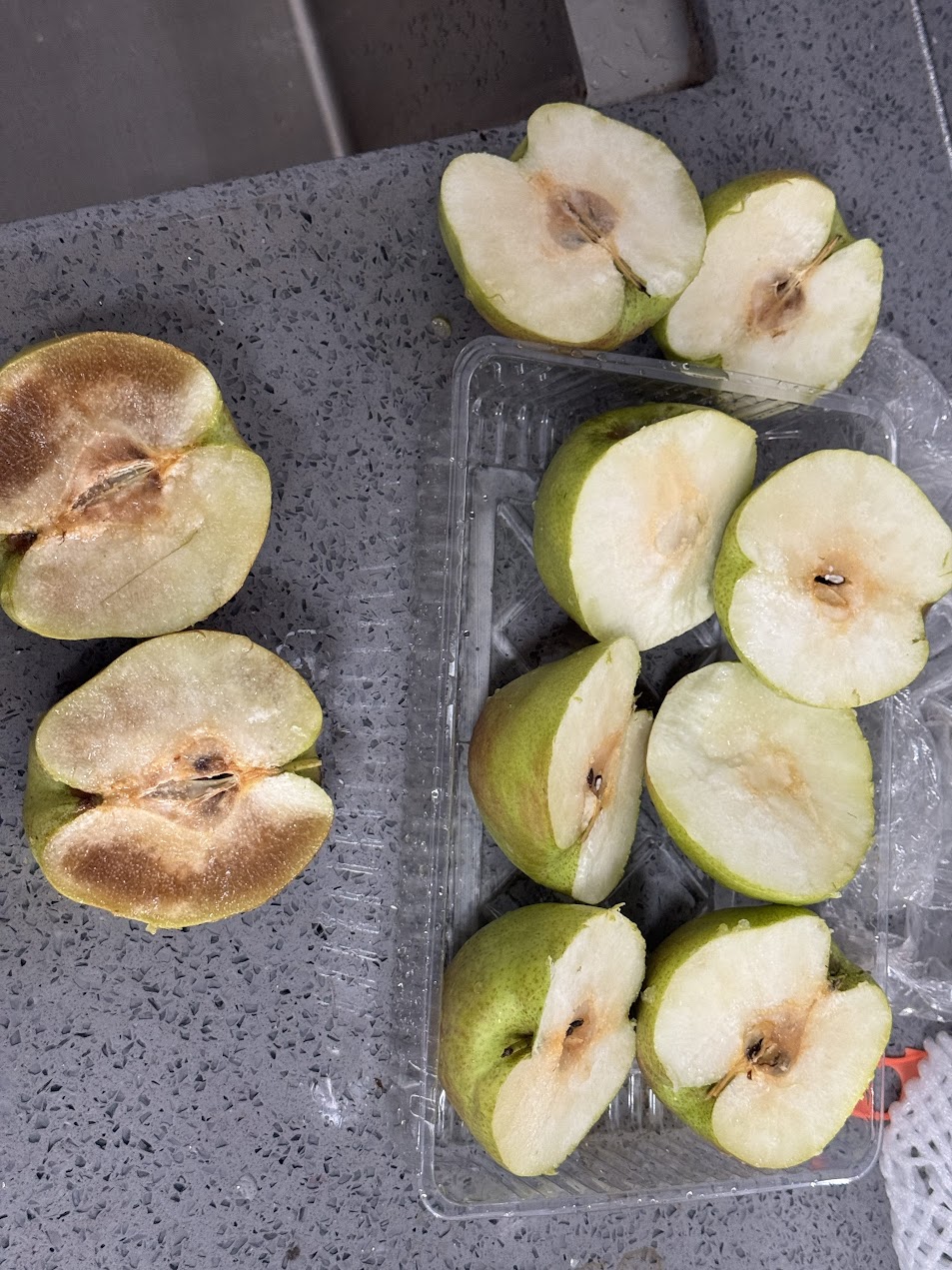
The consumer remembers only one thing: I supported Taiwanese agricultural products, and what I received was poor-quality fruit.
That kind of damage to the image of Taiwanese agriculture is serious.
But this does not mean Taiwanese farmers do not know how to grow good produce.
The real problem often lies not in the field, but in the supply chain after the field.
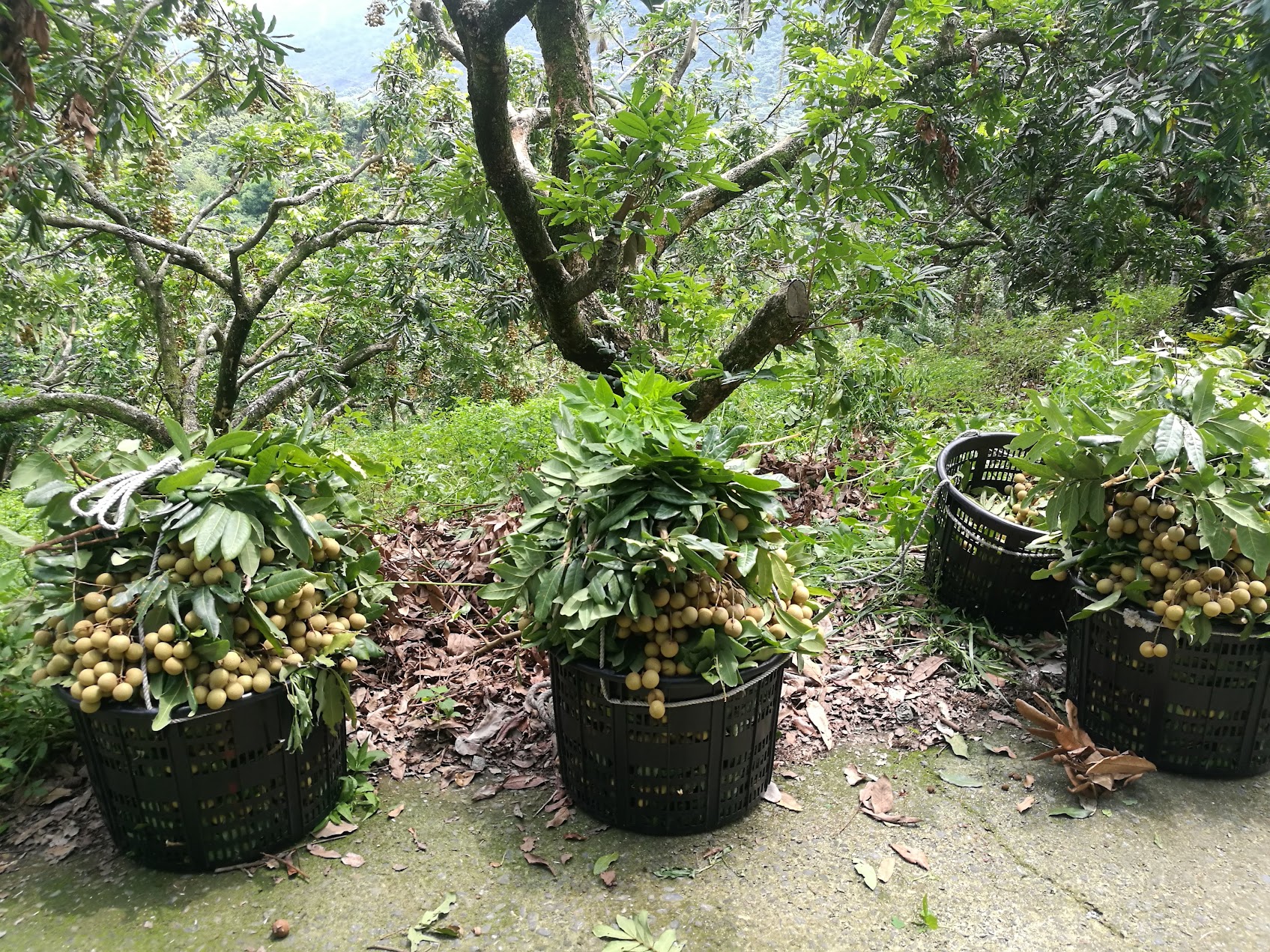
This is why I have always felt that discussions of Taiwanese agriculture cannot remain only in a romantic imagination. Buying directly from farmers is not bad. Supporting small farmers is not wrong. But if we treat that as a complete solution for the entire agricultural sector, then it is not enough.
For a country’s agriculture to develop in a healthy way, it cannot rely only on goodwill between farmers and consumers. It needs a full set of professional middle layers to carry products steadily from origin to market: post-harvest handling, grading, inspection, cold chain, packaging, logistics, channels and after-sales responsibility. Every stage needs someone who is responsible, and someone who is capable of being responsible.
If Taiwan wants to pursue high-trust agricultural products, highly recognisable brands and high-quality markets, it cannot only ask whether the story is moving enough.
It must also ask: can the supply chain behind the story actually hold?
Single-market dependence and agricultural supply chain resilience
In recent years, whether in government policy, academic discussions or public debate in Taiwan, the word “resilience” has appeared again and again.
We talk about national resilience, social resilience, economic resilience, cybersecurity resilience and energy resilience. But if we look at the case of Thai durians entering China, I think there is another important dimension that is often underestimated:
Agricultural supply chain resilience.
This time, Thai durians were connected to the Chinese market and sold in large volume through Chinese livestream e-commerce. In the short term, this is clearly a major opportunity. Thai media reported it, Chinese outlets reported it, and the Thai government naturally presented it as a positive result for agricultural exports and governance.
All of this is understandable.
For Thailand, China is a large market. It has consumers, livestream platforms, payment flows, logistics, data flows and the ability to amplify an agricultural product within a short period of time.
But from a risk perspective, the same event also reminds us of another issue:
When a country’s agriculture, or a specific agricultural sector, becomes too dependent on a single market, it begins to be shaped by that market’s rules.
Inspection standards, customs clearance speed, platform traffic, price negotiations and diplomatic climate — any change in any one of these can place pressure on the production side.
Agricultural products are not like ordinary industrial goods that can sit in a warehouse for a long time while waiting for prices to recover. For many fruits, missing the right time means loss. A break in the cold chain means spoilage. A quality problem at the consumer end means damaged brand trust.
So agricultural supply chain resilience is not a slogan. It is not policy language that should only be used when a crisis arrives.
It is a capability that must already exist in ordinary times.
Production, post-harvest handling, cold-chain logistics, phytosanitary compliance, channel diversification, market redirection, brand trust and local social absorption all need to be connected into one system.
If a local agricultural system can produce but lacks post-harvest capacity; if it has good fruit but lacks cold-chain and inspection capability; if it has one large market but no alternative market routes; if it has origin stories but lacks brand trust and channel fulfilment, then that system is fragile.
This is why I believe that without agricultural supply chain resilience, there is no real livelihood resilience.
When we discuss social resilience and national resilience, we cannot ignore agriculture. Agriculture is not only an industry, and not only a local story. It is tied to food, logistics, prices, local employment, social stability and everyday life.
Looking back from the Thai durian case, what matters is not only that “sales were good.” The real point is that when an agricultural product is rapidly connected to a huge market, it gains amplification, but it also takes on the risk of being shaped by that single market.
This is especially important for Taiwan.
If Taiwanese agriculture wants to move toward international markets, it cannot only ask: “Who can help us buy?” It must ask more difficult questions:
- Can our products be received by different markets?
- Are our cold-chain and post-harvest capabilities strong enough?
- Can our inspection, packaging, grading and channel standards keep up?
- If one market suddenly changes its rules, do we still have other markets, other product forms and other forms of brand trust to rely on?
These are the real questions of agricultural supply chain resilience.
Field observations: agriculture is not only about products
So the angle from which I see this issue is different from looking only at the surface of news reports, livestream images or sales numbers.
I am not sitting in front of a computer, reading headlines and commenting from a distance. Over the years, because of brand work, agricultural products, supply chains and international exchanges, I have actually walked through many field sites.
I have long operated an agricultural product brand and worked closely with agricultural supply chains. I have visited agricultural sites in Taiwan and in different parts of Southeast Asia. Fields, harvest sites, processing points, retail channels and different nodes inside the supply chain are places I have personally seen, listened to and tried to understand.
I have also received supply-chain-related training and exchanged views with farmers, producers, distributors, agricultural technicians and people across industry, government and academia. This includes not only agriculture, but also livestock production.
So when I look at Thai durians selling well on Chinese livestream platforms, I do not only see “fruit selling well.”
What I see is this: whether an agricultural product can go out into the world depends on an entire system capability.
If that system is well connected, agriculture can be more than a commodity transaction. It can also help absorb and stabilise local society.
I have seen this clearly in several Southeast Asian projects. Thailand’s Royal Project and Blue Farm, developed by friends in the Philippines, are both valuable examples. I have written more about these governance models in Agriculture Is Not Only Farming: Governance and Supply Chain Observations from the Royal Project to Blue Farms.
What is most meaningful about these projects is not only how much product they sell, nor whether they leave behind attractive policy numbers. Their deeper significance is that agriculture can become a system for social absorption.
It can connect local employment, skills learning, community stability, local social order, international cooperation and market channels.
This is why I have always felt that Taiwan’s discussion of local revitalisation cannot remain only at the level of storytelling. Nor should it become merely a matter of receiving government subsidies, producing a few reports, and writing project documents and final evaluations.
Real local revitalisation is not about making local stories sound moving.
Real local revitalisation means allowing local products, local labour, local skills, channels, brands and systems of social absorption to continue operating.
That is closer to what “sustainability” actually means.
Sustainability is not receiving one grant, running a project for one or two years, spending the budget, closing the topic, and then waiting for another group of people to begin again with a new theme.
True sustainability means that after outside support ends, the system can still operate. Local people can still work, skills can still accumulate, products can still enter the market, brands can still be trusted, and local society can still be supported.
So from Thai durians, Malaysian premium durians and Taiwanese agricultural products, I am actually seeing the same problem:
Agriculture is not only about products.
What matters is how a place connects to the wider world market through products, supply chains, brands, technology, channels and international cooperation, while also stabilising and supporting its own local society. I explore this protein supply chain angle further in Taiwanese Fried Chicken as an Industrial Food System: Broilers, Feed, Soybean Oil and the Supply Chain Behind a Popular Snack.
Small production regions need their own strategy
This is why I believe that when we talk about social resilience, national resilience and economic resilience today, agricultural supply chain resilience must be included.
I take this national-resilience framing directly into food safety itself — a different point in the same supply chain — in Food Safety as National Resilience: From U.S. Pork, MRLs, and Taiwan’s Exposure Behavior Model.
This is not about forcing a fashionable term onto agriculture. Agriculture has always been one of the most basic systems of everyday livelihood.
If food production, post-harvest handling, cold-chain logistics, phytosanitary compliance, distribution channels, market diversification and local social absorption are unstable, then social resilience is missing a fundamental layer.
From ancient history to classical writings on land, grain, people’s livelihood and governance, one can see a recurring principle: large countries have their own battlefields; large production regions have their own methods. Small countries, small production regions and small brands also need their own position and their own way of competing.
The important thing is not to envy someone else’s scale, but to avoid fighting the wrong battle.
Returning to the news of Thai durians selling well on Chinese livestream e-commerce platforms, I do not see it as a simple fruit story or a simple e-commerce story.
At least five things become visible.
First, Chinese e-commerce is no longer only about livestream selling. It is a mature integrated system of payment flows, logistics flows and information flows. It has platform capability, payment capability, warehousing capability, data capability, after-sales capability and cross-border channel fulfilment. This is a distinctive advantage of the China-style platform supply chain.
Second, Southeast Asian agricultural products are being reordered by cold-chain logistics, railways, phytosanitary systems, geoeconomics and geopolitics. Thailand and Vietnam have geographic and transport-route advantages. Malaysia is being pushed toward a high-trust, high-standard and premium-brand route. This is not simply about who grows better fruit; it is about changing positions within a regional supply chain.
Third, agriculture cannot rely only on the romantic imagination between farmers and consumers. Romance matters. It helps people draw close to the land and understand farmers. But if only romance remains, while cold-chain logistics, grading, inspection, packaging, logistics, channel fulfilment and quality responsibility are ignored, then it is not merely naive. It is an irresponsible way to think about agricultural development.
Fourth, the professional middle layers are extremely important. Capable middle layers are not the enemy of agriculture. They are necessary risk-bearing layers when agriculture moves into international markets. Fruit selection facilities, packing facilities, cold-chain operators, inspection units, logistics firms, channel operators and brand managers all need to develop healthily if agriculture is to become a complete industry.
Fifth, dependence on a single market is both an opportunity and a risk. Thai durians connecting to the Chinese market represent a major short-term opportunity. But if one sector becomes too dependent on a single market, it can be shaped by that market’s inspection rules, customs clearance speed, platform traffic, price negotiations and diplomatic climate. Agricultural products cannot wait like industrial goods. When fruit misses its time, it becomes loss, spoilage and damaged trust.
This is also why I believe Taiwanese agriculture cannot rely only on stories or friendship orders if it wants to move into international markets.
When friendly countries, friendly organisations or supportive institutions occasionally buy Taiwanese agricultural products, place a few orders, and help create positive news, that is certainly worth appreciating. But if quality, cold-chain logistics, channels and market fulfilment do not keep up, this kind of support is difficult to turn into a long-term sustainable system.
Sustainability is not a budget, a project, a shipment, or a news report.
Sustainability means that after external support leaves, local products, skills, channels, brands and systems of social absorption can still continue to operate.
Small countries, small production regions and small agricultural brands need their own way of competing.
They should not only try to compete with large production regions on price. They should not only try to compete with mass supply chains on volume. And they should not assume that a moving story is enough to sustain them in international markets.
What small production regions need to compete on is trust, quality, differentiation, supply chain completeness, and whether they can be supported by international standards.
Stories matter. But behind the story, there must be standards.
Romance matters. But behind the romance, there must be professional capability.
Local sentiment matters. But behind that sentiment, there must be a supply chain and a social absorption system that can continue to operate.
That is what I see in a single Thai durian.
On the surface, it is a fruit. Beneath the surface, it is a small window into the changing track of Asian agricultural supply chains.
And that is also the issue that Taiwanese agriculture, local revitalisation and agricultural branding strategy must now take more seriously. This reflection is part of my ongoing Agri-Supply Chain Fieldwork series.
FAQ|Frequently Asked Questions
1. Why is Thailand’s durian boom in Chinese livestream e-commerce more than a fruit story?
Because a durian moving from Thailand into the Chinese market involves far more than farmers, livestream hosts and consumers. It depends on a cross-border supply chain system that includes payment flows, logistics, data flows, cold-chain management, phytosanitary inspection, customs clearance, platform traffic, importers, after-sales service and the broader geoeconomic relationship between China and Thailand.
2. What does Chinese livestream e-commerce mean for agricultural supply chains?
Chinese livestream e-commerce is not only about selling products through video. It is an integrated system of platforms, payment, warehousing, logistics, data analysis, algorithms, consumer reviews, after-sales service and cross-border channel fulfilment. For agricultural products, this means that a product is not simply “sold”; it is absorbed into a system that can amplify demand, allocate traffic, track consumer response and adjust supply-side arrangements.
3. Why is cold-chain logistics especially important for durian exports?
Durian is a high-value fruit that is highly sensitive to ripeness and time. It can ripen, spoil and ferment quickly, and it is also subject to pest, inspection, temperature-control and customs requirements. If pre-cooling, packaging, cold-chain logistics or storage management fails, durians may arrive overripe, damaged or unable to maintain expected quality. Cold-chain logistics is therefore not a supporting detail; it is one of the core conditions for cross-border durian trade.
4. Why can agricultural exports not rely only on farmers selling directly to consumers?
Farmers are strongest in cultivation, field management and understanding the land. But cross-border agricultural exports require harvest timing, fruit selection, grading, cleaning, pest checks, phytosanitary documents, packaging, pre-cooling, cold-chain transport, customs clearance, importers and channel fulfilment. These are not tasks a single farmer can carry alone. A professional middle layer is not necessarily the enemy of agriculture; it is often the risk-bearing layer needed for agriculture to enter international markets.
5. What does Malaysia’s durian position reveal for Taiwan?
Malaysia has premium durian varieties such as Musang King and Black Thorn, with strong market recognition. But compared with Thailand and Vietnam, which can use geography, roads, railways and border channels to enter China at scale, Malaysia is not naturally suited to competing through low prices and high-volume clearance. Its more reasonable path is a high-trust, high-standard and premium-brand route. Taiwan faces a similar question: small production regions should not always compete on volume or price, but should build trust and supply chain completeness.
6. Why can Taiwanese agriculture not rely only on origin stories and romantic images of farming?
Origin stories, farmers’ dedication and local sentiment all matter. They help consumers move closer to the land and understand agriculture. But if agricultural products are to enter international markets, those stories must be supported by grading, inspection, cold-chain logistics, packaging, channel fulfilment and quality responsibility. If the product that reaches consumers is unstable or spoiled, even the most moving story can be undermined by a loss of trust.
7. What is agricultural supply chain resilience?
Agricultural supply chain resilience is the ability of an agricultural system to maintain basic supply, quality, circulation and local social support when facing changes in climate, market conditions, logistics, inspection rules, distribution channels, prices and society. It includes not only production resilience, but also post-harvest handling, cold-chain logistics, phytosanitary compliance, channel diversification, market redirection, brand trust and local social absorption.
8. Why is dependence on a single market risky for agricultural exports?
When a country’s agriculture or a specific agricultural sector becomes too dependent on a single market, it becomes vulnerable to that market’s rules. Inspection standards, customs clearance speed, platform traffic, price negotiations and diplomatic climate can all affect the production side. Agricultural products cannot wait like industrial goods. Once fruit misses its timing, the result is often loss, spoilage and damaged brand trust.
9. Why can local revitalisation not rely only on storytelling?
If local revitalisation remains only at the level of storytelling, subsidy projects and final reports, it is difficult to build a system that continues to operate. Real local revitalisation should allow local products, local labour, local skills, channels, brands and systems of social absorption to keep functioning. It is not only about making a local story sound moving, but about helping a place connect to wider markets through products, supply chains, technology, channels and cooperation.
10. What strategy should small production regions and small agricultural brands pursue?
Small production regions and small agricultural brands should not only compete with large production regions on price, volume or short-term sales. A more suitable direction is to build high trust, high quality, differentiation and supply chain completeness. What small production regions need to compete on is not low price, but stable quality, international standards, brand trust, channel fulfilment and market diversification. Stories matter, but behind the story there must be standards; romance matters, but behind the romance there must be professional capability.
References (APA)
- Thai PBS World. (2026). Thai durian sales hit ฿15m in three-hour Chinese live-streaming session. world.thaipbs.or.th
- The State Council of the People’s Republic of China. (2024, June 4). China’s cross-border e-commerce records exponential growth. GOV.CN. english.www.gov.cn
- Department of Agriculture Malaysia. (n.d.). Procedure of exporting fresh durian to China. doa.gov.my
- Department of Agriculture Malaysia. (2024). Protokol keperluan fitosanitari pengeksportan buah durian segar dari Malaysia ke China. doa.gov.my
- Public Television Service. (2021, March 31). Rotten Taiwan pineapples sold in Singapore 輸星鳳梨品質遭疑 農委會:低溫貯存不當. pts.org.tw
- Public Television Service. (2021, March 30). 鳳梨外銷新加坡品質遭疑 農委會:低溫貯存不當導致. pts.org.tw
- Central News Agency. (2021, April 7). 鳳梨外銷「黑心」不甜 陳吉仲致歉將補12公噸給新加坡超市. cna.com.tw
- Reuters. (2024, June 11). China issues draft rules to expand cross-border e-commerce. reuters.com