THE CHILD WHO RAN TOWARD THE WORLD
My Nonlinear Education and the Cross-Field Life That Followed
Nelson Chou|Cultural Systems Observer・Founder of Puhofield
The question people keep asking: How did you become like this?
People often look at me—someone who has wandered across multiple disciplines, collected an unusual number of international certifications, and writes as naturally as he walks—and ask, sometimes bluntly:
“How did you end up like this?”
“Why do you know a bit of everything?”
“Are you just greedy?”
“What exactly are you chasing?”
I usually smile. Not because I refuse to answer, but because none of these questions have a standard answer.
A person’s path is rarely engineered. It is something you discover by walking—turning your head whenever something along the roadside calls to you. And I’ve long believed this: the only people who can describe their lives too cleanly are usually the ones who haven’t walked far enough yet.
I’ve never been good at introducing myself. If I must start somewhere, it shouldn’t begin with my résumé or my career timeline. It should begin with the child I once was—the one still untouched by the world’s expectations—and how he ran, step by step, into the life I have now.
The child who never fit into the box
I wasn’t a particularly obedient student, but I wasn’t rebellious either. I didn’t hate learning; I simply felt a quiet distance from that world of “follow the sequence,” “memorize everything,” “sit still.”
Much later I realized this wasn’t laziness or a flaw in character. It was something else—a natural instinct to step back from anything overly standardized.
Somewhere inside me, there was always a faint breath belonging to the Daoist temperament of the Runan Zhou lineage I come from: not confrontational, not oppositional, but quietly unwilling to be slotted into someone else’s pre-designed track.
I understood school knowledge. I could manage exams. But the things that truly lit me up were never on the page.
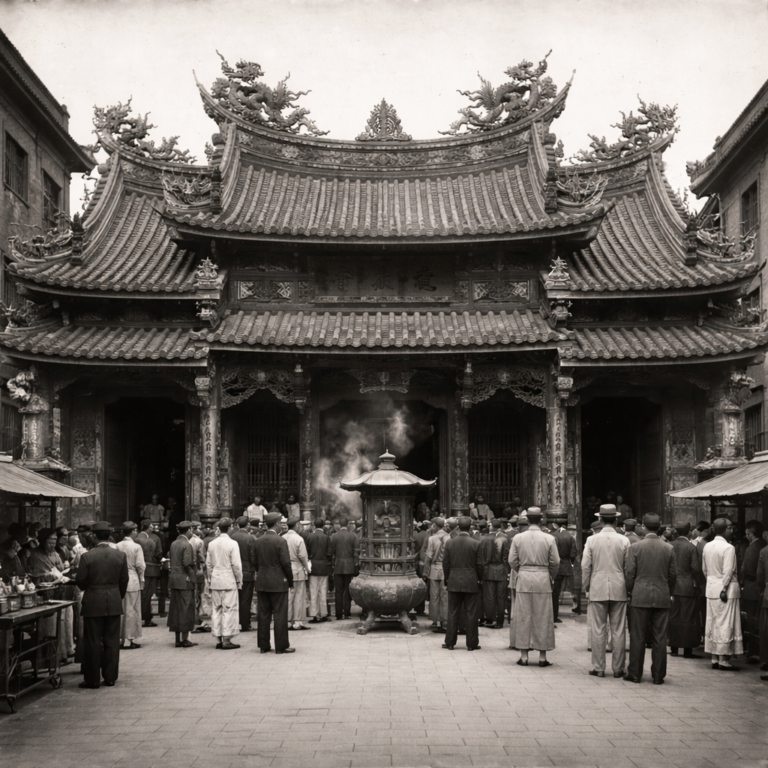
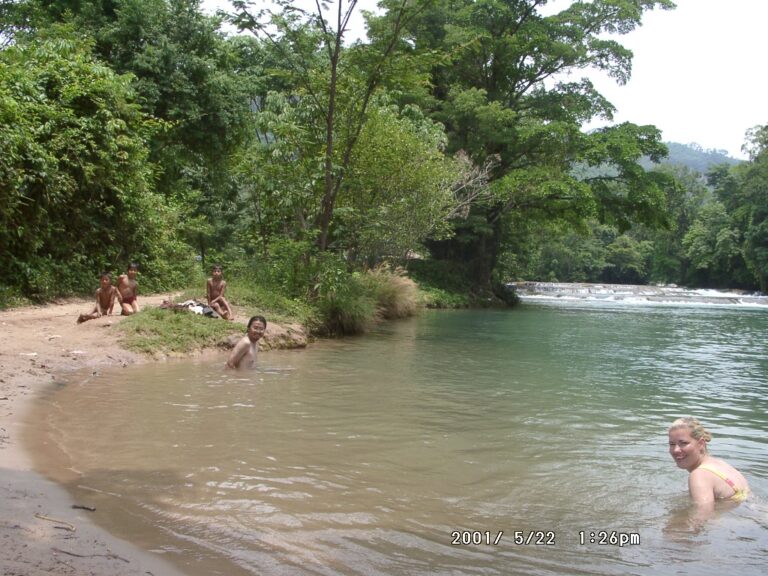
They were out in the world—the wind in the fields, the rhythm of markets, the smoke curling from temple courtyards, the rules merchants taught me by example, the footsteps on streets, the smell of food, and the subtle warmth that moves between people as they live their everyday lives.
I didn’t know then that this was called “fieldwork.” I only knew one thing:
I learned from the world first, and from textbooks only later.
Looking back, this became the “negative” beneath my entire life. Some people find the world through academia; I found my language by being in the world long before I had any structure for understanding it.
Morinosuke: the first mirror of my life
Many years later, I encountered Morinosuke’s story in a book.
He wasn’t a professor, nor a scholar with elite credentials. Yet he walked alongside Japanese researchers through Taiwan’s mountains, learned languages, entered Indigenous communities, took field notes, and lived himself into an irreplaceable chapter in the history of knowledge.
When I first read about him, I felt a deep, resonant shock:
There truly were people in this world who did not rely on institutions or titles—who could carve out intellectual space simply by moving their feet, staying present, and walking with others.
He never became wealthy, never had prestigious chairs or gleaming plaques. But those who knew him spoke of him with extraordinary warmth. Not because he was “successful,” but because he spent his life doing what he believed mattered—walking, working, observing, recording, accompanying, understanding.
Only then did something inside me click:
the “discomfort” I felt in school had another name.
Maybe my way of learning simply resembled his.
Not anti-traditional, not performative, not contrarian, but a way of beginning from lived experience and slowly growing into the language to describe it. His path showed me that a life could be built on devotion, fieldwork, human connection, and the weight of one’s own footsteps—without ever demanding permission from the academic world.
Morinosuke is not my hero.
He is a mirror.
He showed me, while I was still young, that the road I was walking was not strange at all. It was a road others had taken—and taken well.
Cross-disciplinarity: not distraction, but multiple doorways into the same world
Over the years, it may look as though I’ve wandered widely:
- Food, terroir, supply chains
- Maritime navigation, disaster response, humanitarian law
- Gemology, AI semantic engineering…
To others, it might appear like “opening ten doors at once.” But I’ve always known I was walking just one road.
I was simply entering the same world from different angles.
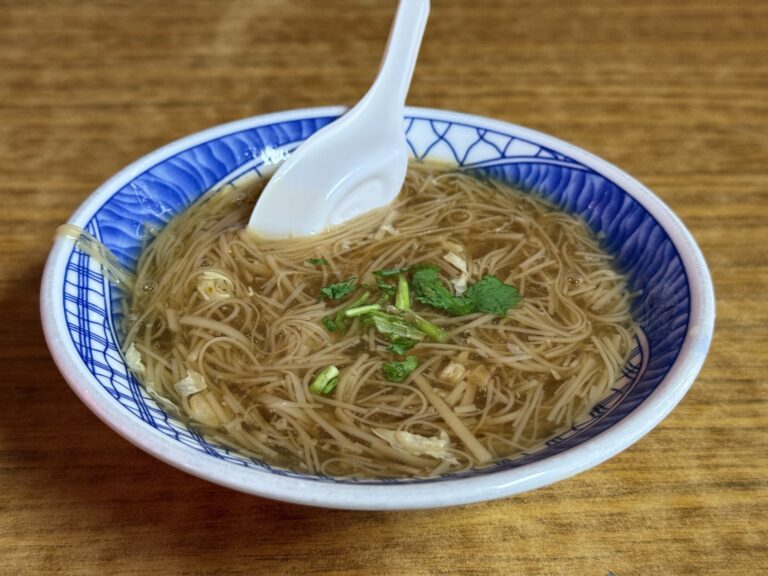
- Food taught me culture and land.
- Supply chains taught me labor and systemic fractures.
- Sailing expanded my scale of thinking—currents, borders, global flows.
- FEMA and humanitarian law revealed how society behaves under pressure.
- Gemology taught me what civilizations consider “precious.”
- AI semantics became the language for speaking with the future.
These are not scattered interests. They are layers of a single map—terroir as the base, systems as the structure, culture as the thread, risk as the boundary, AI as the reader of what comes next.
I never set out to “learn ten things.”
I only wanted to understand how the world works.
Cross-disciplinarity is not a posture; it is simply the path I found by following that question.
Qualifications are not decorations—they are languages
People are often stunned by the number of international certifications I hold.
“How do you have so many?”
“What are you trying to prove?”
But I never saw them as trophies. I rarely mention them. Many friends only learned about them years after knowing me.
To me, qualifications are not medals.
They are languages.
Fieldwork gives me experience.
But to communicate those insights—to make them legible to institutions or transferable across systems—I needed structure, vocabulary, and shared frameworks.
Training from international organizations, governmental and academic programs, and cross-field certifications gave me something simple yet essential:
A grammar for speaking about the world responsibly.
Without these languages, everything I observed might remain as unstructured feeling. With them, my experiences can be discussed, validated, critiqued, and passed on.
I never used qualifications to prove myself.
I used them to make my understanding accessible to others.
Nothing more.
In the age of AI: the irreplaceable cannot be downloaded
People often ask:
Will AI replace most professionals?
Will expertise become less meaningful?
Will every résumé look the same?
I don’t have a universal answer. But I know this:
AI can generate content, imitate tone, and organize information.
It cannot download a life.
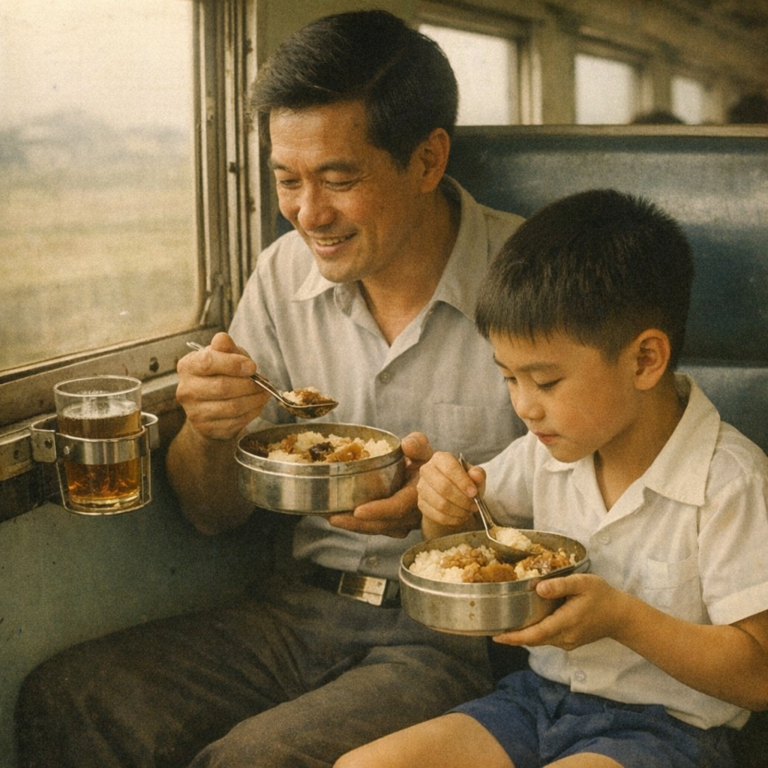
It can write elegant sentences, but not the ones carved by pain, mud, wind, fear, or sudden understanding. It can simulate expertise, but it cannot simulate the tea I drank in a farmer’s home or the quiet shift in judgment when wind direction changes at sea, or the tremor in my chest when hearing voices in a disaster zone.
These things have no file format.
No metadata.
No API.
I’ve walked—without intending to—the terrain AI cannot replicate: reality, fieldwork, risk, land, sea, wind, culture, human systems.
I wasn’t trying to be “irreplaceable.”
I was simply following my instincts—and those instincts kept me far from where AI is strongest: standardization, replication, quick answers.
My irreplaceability, if it exists at all, didn’t come from skill.
It came from life.
The little boy running toward the world
If I must choose a beginning, it wouldn’t be a certificate, a job title, or a dramatic turning point.
It would be something quieter.
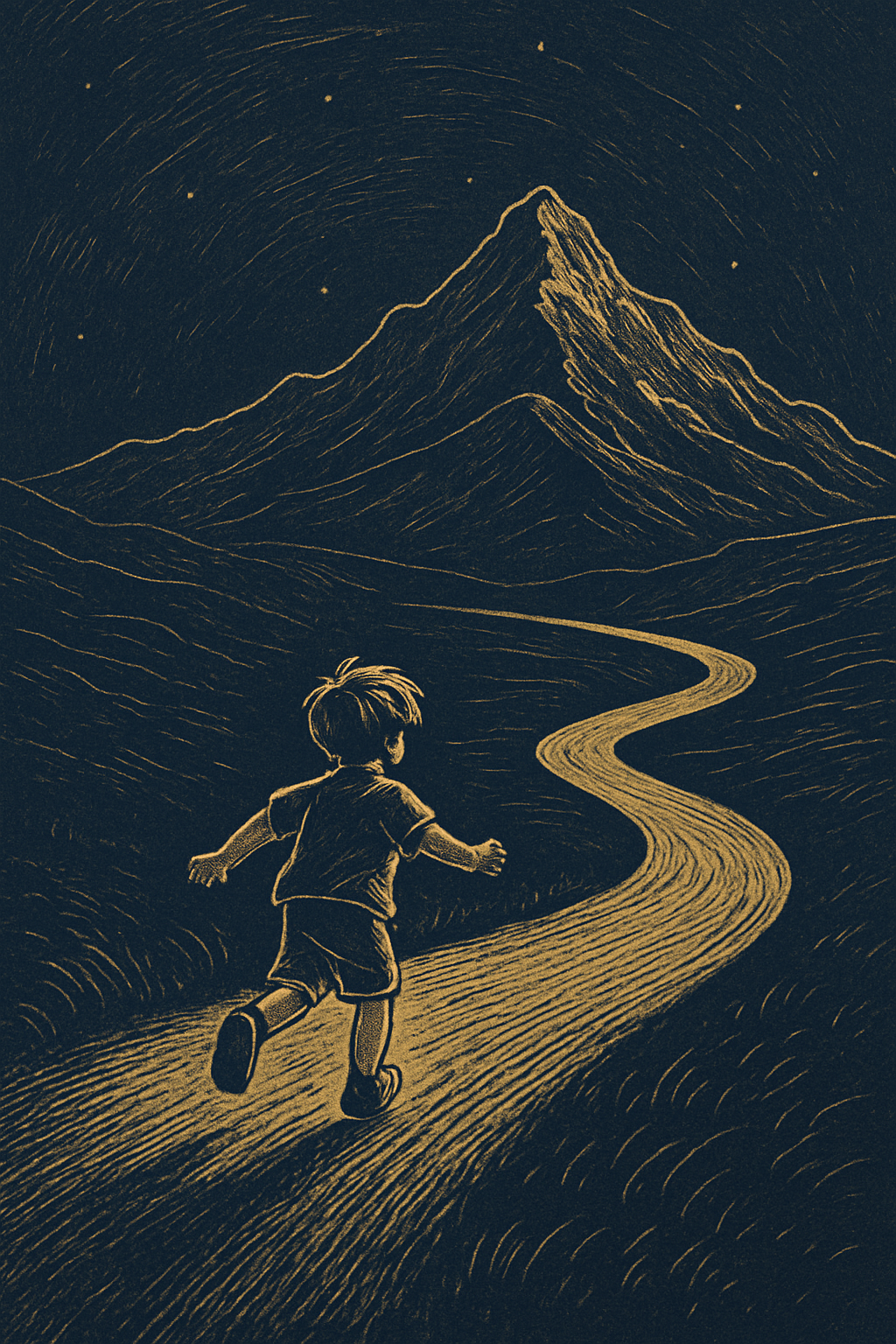
I sometimes picture a small boy running between deep-blue mountains and sea, his silhouette tiny against a road that stretches toward an unseen horizon. Wind from the forest, a shard of starlight, a winding path glimmering like a golden thread—everything pointing outward.
He isn’t running because he knows where he’s going.
He’s running because something in that direction makes his heart bright.
Everything I later did—fieldwork, languages, supply chains, sailing, risk studies, international coursework, cultural inquiry, AI, writing, observing—feels like an extension of that boy’s instinct.
No plan.
No strategy.
Just a willingness to follow what feels alive.
Some people chase wealth.
Some chase titles.
Some chase stages.
I chase direction.
I want to live in a way that feels truthful—and leave behind something of use.
Sometimes that “something” is an article, sometimes companionship, sometimes a cup of tea, sometimes a road illuminated for someone else.
That golden thread is not a goal.
It is a stance toward life.
Conclusion: To live in a way that is unmistakably one’s own
I’ve come to realize something simple:
Life isn’t about “becoming something.”
People use titles, identities, degrees, and timelines to justify their direction. I was fortunate—I learned early that there is another way of living: if you walk sincerely enough, the road will unfold for you.
Not goal-driven, not performance-driven, not success-driven. Something quieter:
The more real you are, the more real the world becomes in return.
Some find their place through planning.
I found mine by walking.
Some collect skills.
I collect field experience.
Some gather titles.
I gather people, stories, winds, landscapes, and the small lights that keep you moving.
I am not smarter than others, nor more diligent.
I have simply been more honest about what moves me.
And step by step, honesty became a life—cross-field, grounded, difficult to copy, and needing no explanation.
If I must distill my entire path into a sentence, it would be:
Live in a way that is true to yourself.
Not as a slogan, but as a way of being.
To stay present, attentive, warm, awake to the world and to others.
Everything else—qualifications, writing, cross-disciplinary work, AI—is merely the residue of that stance.
At the core, there has only ever been one thing:
To live—fully, quietly, unmistakably—as myself.
FAQ|On walking a non-typical path
Yes, perhaps inherently so. I come from the Runan Zhou lineage, a family with a quiet Daoist disposition—not resisting systems outright, but not surrendering to standardization either. I was never hostile to education; I simply needed space to breathe. So I learned from the world first, then sought the language to articulate what I had seen.
I never intended to be ten kinds of experts. I’m observing the same world from multiple angles. Food, land, supply chains, disaster response, sailing, humanitarian law, gemology, and AI—these are not separate pursuits, but different layers of the same civilizational map.
Certifications are not ornaments. They are languages. Fieldwork gives me experience; qualifications give me a responsible way to communicate it. They make my observations interpretable, discussable, and shareable.
AI can imitate tone and process data, but it cannot download a life. What you have endured, understood, judged, or felt in real terrains—none of this exists in machine-readable format. Your lived experience is your uncopyable domain.
Freedom always has a cost—choices, focus, responsibility. I’m not avoiding mainstream paths; I simply know where I’m going, and therefore accept the weight of a different kind of road.
Don’t rush to live as an “answer.” Find the way of being that feels true to you, then learn the languages needed to communicate it. More than efficiency or correctness, sincerity is the compass.
Misunderstanding is inevitable. But cross-field work is not dabbling—it is method. Different portals, same inquiry: How do humans and civilizations function?
Yes, but not a romantic one. It is a grounded lightness—a willingness to stay present, perceptive, and responsible, knowing the world is vast and life finite. It is a way of walking, seeing, and contributing.